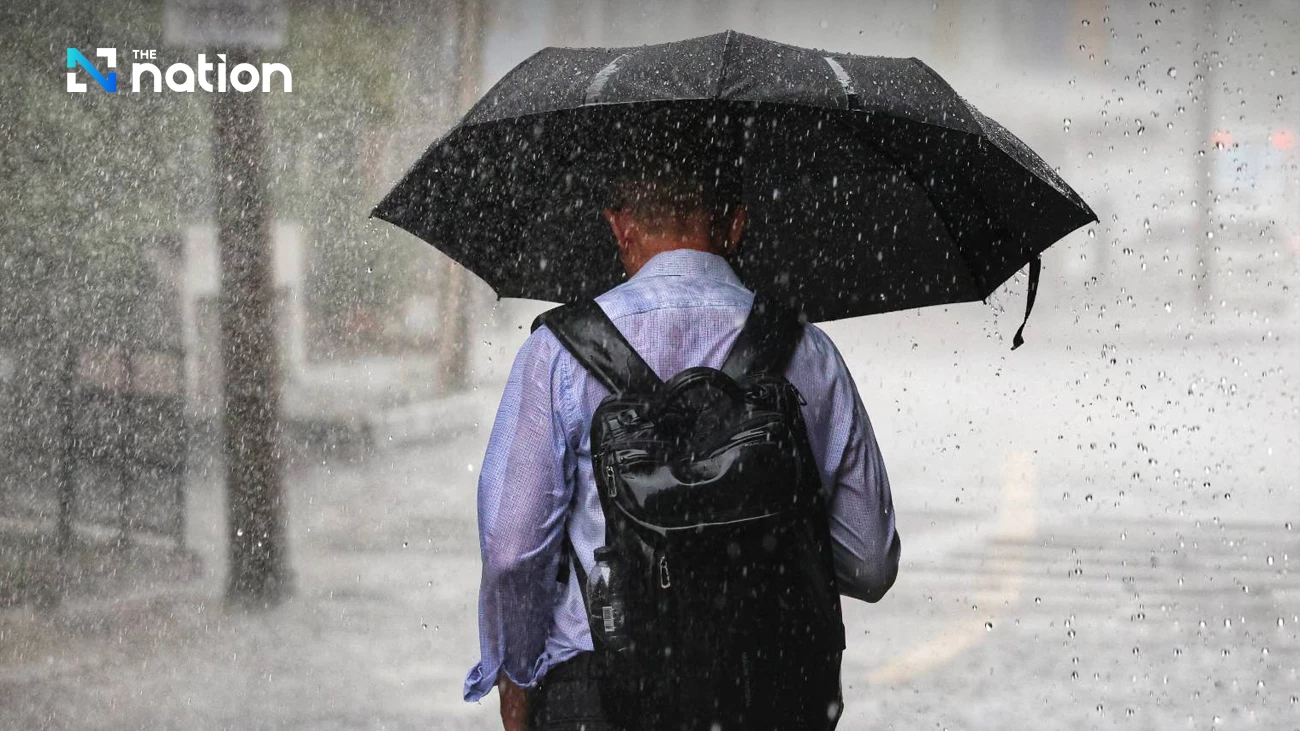
Thailand is bracing for a major monsoon impact as the Thai Meteorological Department (TMD) issues a critical warning for 56 provinces across the nation. This severe weather alert, issued on May 30, 2026, predicts heavy to very heavy rainfall across vast regions, including the Andaman Sea coast and southern provinces. The forecast highlights the imminent risk of flash floods, rapid runoff, and dangerous coastal conditions. These warnings are not isolated incidents but part of a recurring pattern of monsoon-related challenges in Southeast Asia.
Why does this monsoon warning matter now?
The current monsoon system is unusually strong and persistent, driven by a moderate southwesterly flow over the upper Andaman Sea. This pattern has intensified rainfall in southern Thailand, where thunderstorms have already impacted Bangkok and surrounding areas. Unlike typical monsoon cycles, this system is causing more concentrated and rapid precipitation, leading to immediate flood risks rather than gradual accumulation.
- 56 provinces are under direct threat of heavy rain and flash flooding
- Over 200 mm of rainfall is expected in some regions within 24 hours
- Coastal areas, particularly the Andaman Sea, face severe wave action and coastal erosion
The TMD’s warning is a critical escalation from previous alerts. Historically, Thailand has faced monsoon disruptions since the 1950s, with the 2023 season already setting records for rainfall intensity in the northeast. But this year’s system is more aggressive, with the potential to disrupt critical infrastructure, including roads, power grids, and transportation networks.
What does this mean for daily life?
Residents in the affected provinces must prepare for immediate action. Evacuation routes are being prioritized, and emergency shelters are being set up in low-lying areas. The government has activated its flood response protocol, which includes real-time monitoring via mobile apps and SMS alerts. However, communication challenges persist in remote rural areas, where traditional warning systems may not reach all residents.
This situation underscores the growing challenge of climate-resilient infrastructure in monsoon-prone regions. As the monsoon season peaks in Southeast Asia, the integration of advanced weather tools—like the new video analysis tools highlighted in recent coverage—is becoming essential for timely interventions.