Nigerian Community Faces Escalating Xenophobia in South Africa: A Crisis Demanding Immediate Action

Editor 05 Jun, 2026 ... min lectura

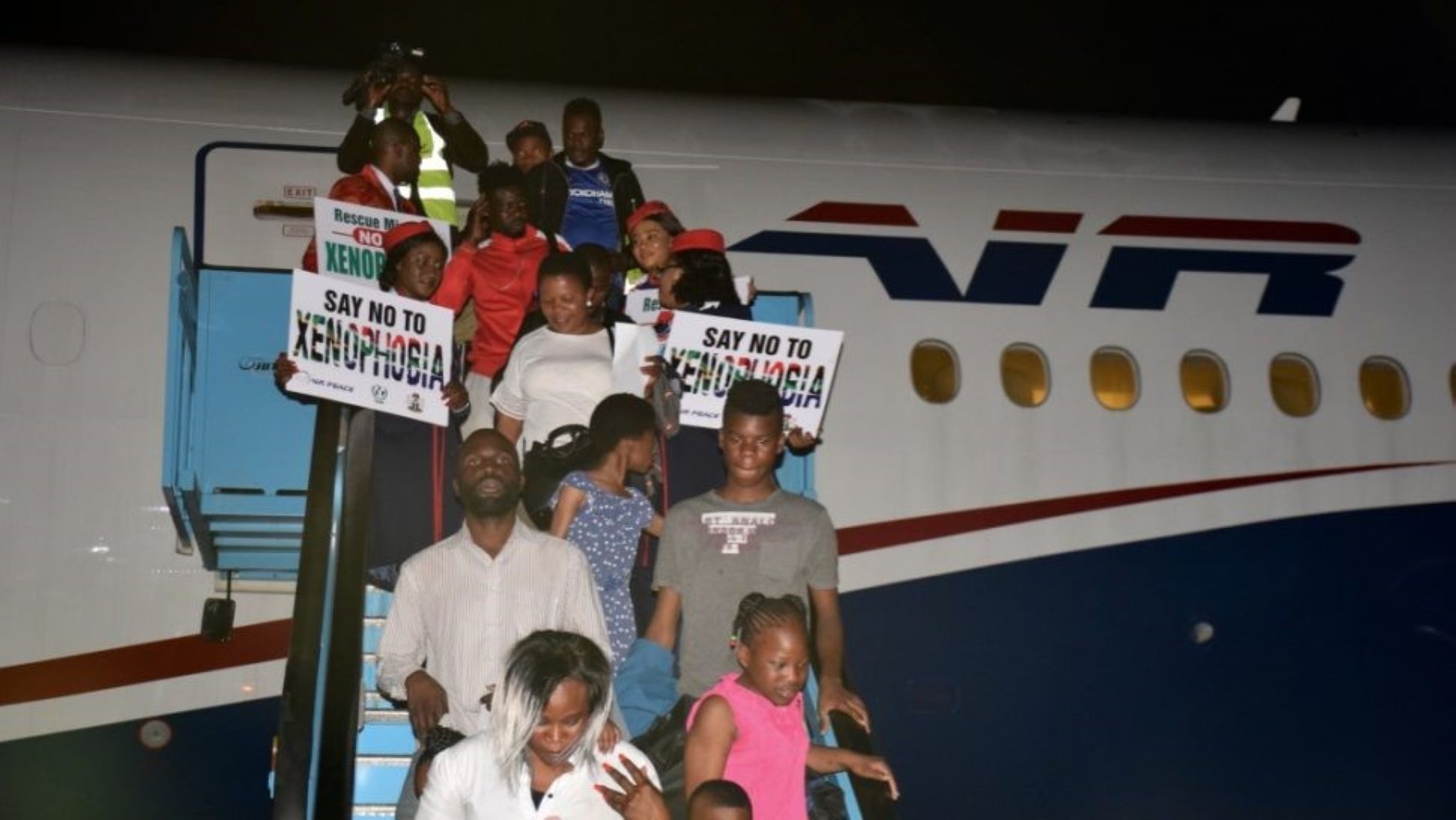
Nigeria and South Africa have long been connected through trade, migration, and cultural exchanges. However, recent reports indicate a troubling shift in the dynamics between these two nations, particularly concerning the safety and rights of Nigerians living in South Africa. According to Nigerian authorities, over 1,000 Nigerians have recently sought repatriation from South Africa following a surge in xenophobic attacks targeting the Nigerian community.

South African officials have confirmed that the federal government is actively screening 400 individuals who have expressed a desire to return to Nigeria from South African soil. This initiative reflects growing concerns about the security and well-being of Nigerians residing in South Africa, who have been increasingly targeted by hostile groups and individuals.

How Many Nigerians Have Been Killed in South Africa Since 2019?

The Nigerian community in South Africa has reported that at least 105 Nigerians have been killed in the country since 2019, according to community leaders and local organizations. This figure, though contested by some government agencies, underscores the severity of xenophobic violence against Nigerians in South African communities.

  • Over 1,000 Nigerians have reportedly sought repatriation from South Africa in recent months due to xenophobic attacks
  • 400 Nigerians are currently under federal screening for repatriation
  • 105 Nigerians have been documented as killed in South Africa since 2019, according to community claims

The issue has gained significant attention due to the historical context of migration between Nigeria and South Africa. For decades, Nigerians have been part of South Africa's diverse immigrant population, contributing to the country's economic and social fabric. However, recent years have seen a dramatic increase in hostility toward Nigerians, often linked to perceptions of economic competition and racial tensions.

These incidents are not isolated. The xenophobic attacks in South Africa have been documented in multiple regions, including Johannesburg, Durban, and Cape Town, where groups have targeted Nigerians for alleged economic exploitation or perceived threats to local communities. The Nigerian government has been working with South African authorities to address these issues, but progress has been slow.

Experts warn that without intervention, the situation could worsen. As the Nigerian community in South Africa continues to face these challenges, the need for a coordinated response from both governments becomes critical. The federal government's screening process is a step toward addressing the crisis, but it is only the beginning of a broader effort to ensure the safety and dignity of Nigerians abroad.