Migrants' Fear and Uncertainty: South Africa's Refugee Crisis Deepens

Editor 06 Jun, 2026 ... min lectura

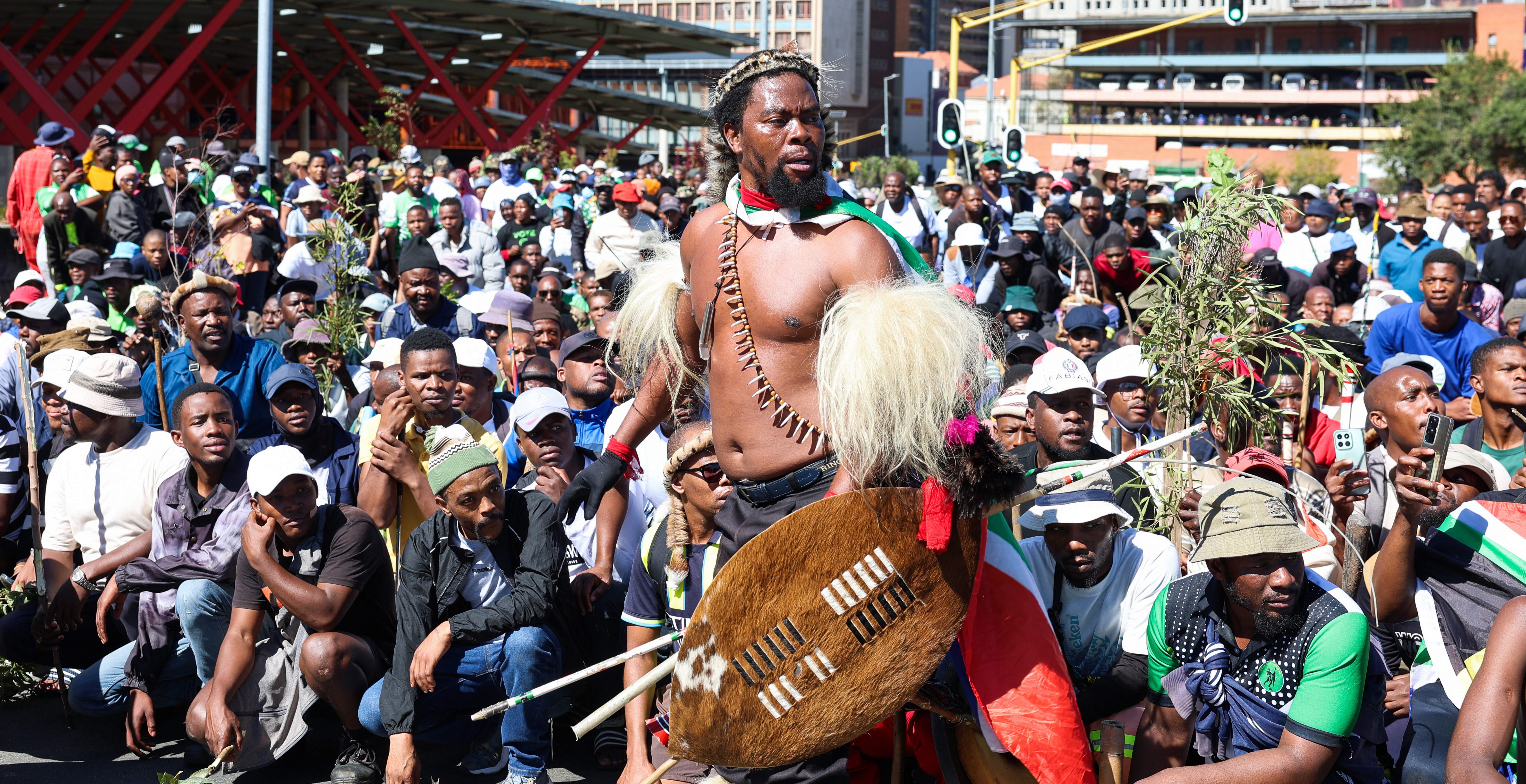
South Africa is facing a growing crisis as xenophobic protests intensify and migrant populations struggle to find safety. Recent reports indicate over 140 foreign nationals, primarily from Malawi, are being repatriated from Kleinmond, highlighting the urgency of the situation. These displaced individuals now face a critical choice: remain in a country where their safety is increasingly threatened by violent anti-foreigner demonstrations, or flee amid rising fear and uncertainty.

What does this mean for South Africa's future?

The crisis is rooted in deep-seated anxieties about national identity and economic pressures. As xenophobic violence escalates, many migrants express their fears through the phrase 'I am leaving,' signaling a desperate need for stability. This sentiment is not isolated; it reflects a broader pattern of displacement and vulnerability across the continent.

Historically, South Africa has been a key player in the Pan-African movement, with its early ties to the fifth Pan-African Congress held in Manchester in 1945. This historical context is vital to understanding the current tensions, as the nation has long grappled with balancing its identity as a diverse society with the challenges of hosting large numbers of migrants.

  • Migrants face a dual threat: immediate physical danger from xenophobic violence and the long-term uncertainty of being forced to leave their homes
  • Over 400 displaced individuals from multiple African nations are currently in temporary shelters across the Overstrand
  • Official reports indicate that repatriation efforts are focused on specific regions like Kleinmond, Gansbaai, and Stanford

Experts warn that without immediate action, the crisis could worsen. The government has been slow to address the root causes of the violence, which include economic hardship and misinformation. By failing to implement effective integration policies, South Africa risks further alienating its diverse population.

The situation also reflects a larger regional challenge: the tension between national sovereignty and the need for inclusive, open societies. As the world becomes increasingly interconnected, the ability of nations to manage migration flows while ensuring the safety of all citizens is crucial.

The current crisis is not just about numbers—it's about the human cost of inaction. Migrants are not just statistics; they are individuals with stories of hope, fear, and resilience. Their voices must be heard, and their safety must be prioritized.