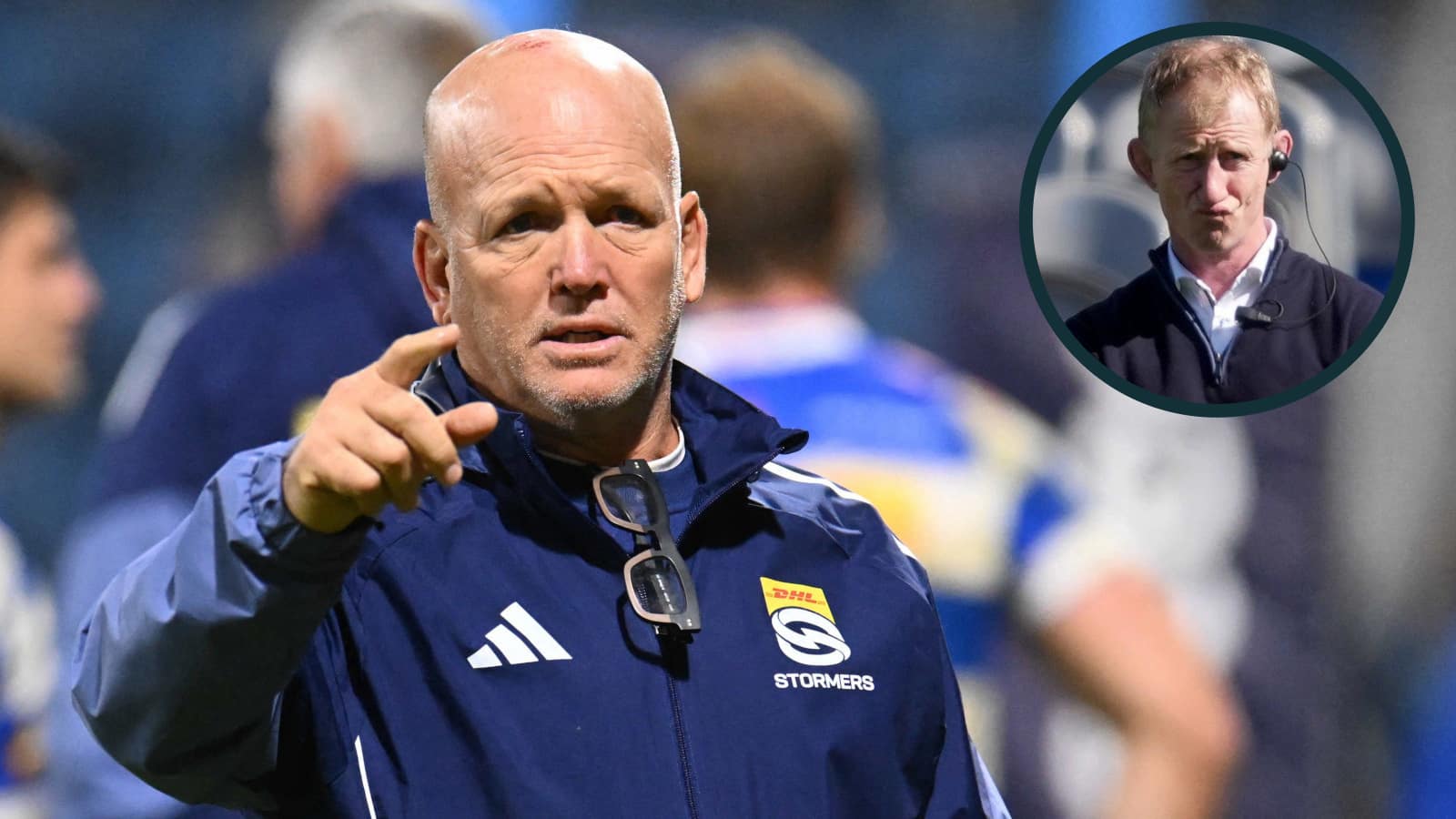
Leo Cullen, head coach of Leinster, has become a focal point in the ongoing debate over social media behavior and its impact on sports leadership. His recent comments about 'negative and toxic' online trolls following Leinster's Champions Cup final loss have sparked widespread discussion. Cullen's remarks, which were widely shared across platforms like X and Facebook, highlight a growing tension between traditional sports leadership and the digital age's demands for accountability.
At the heart of this controversy lies a direct parallel to his own past actions. When questioned about his reaction to a fan's outburst, Cullen admitted that he 'did the same thing'—a phrase that underscores a critical realization about his own role in fostering a toxic online environment. This admission, made in a recent interview, reveals a personal reckoning with his own involvement in the digital ecosystem that has increasingly become a battleground for sports figures.
Cullen's critique of social media trolls isn't new, but its urgency has intensified following Leinster's recent Champions Cup final defeat. As the team returned from their loss to Bordeaux, Cullen publicly criticized the 'warped world' of online interactions, emphasizing how negative comments have become a standard response to setbacks. His comments reflect a broader societal shift where sports leaders are increasingly expected to address the fallout of their decisions and actions through digital channels.
Can a Sports Leader’s Digital Footprint Ever Be Fully Controlled?
While Cullen’s words highlight the challenges of managing an online presence, they also raise critical questions about the role of athletes and coaches in shaping digital narratives. Unlike traditional leadership roles, which often operate in closed systems, social media allows for immediate and unfiltered feedback. This creates a unique pressure point for leaders who must navigate between accountability and the need for consistent communication.
- Real-time accountability: Social media enables immediate reactions to criticism, often before the leader has had time to reflect.
- Blurred lines: The distinction between a leader's actions and their digital footprint is increasingly difficult to maintain.
- Public perception: A single tweet can have lasting implications beyond the immediate context of a match.
Cullen's case illustrates how a single moment can escalate into a broader critique of digital behavior. His acknowledgment that he 'did the same thing' reveals a willingness to confront his own past actions, a step toward accountability that is rare in the public sphere.
The implications of this shift are far-reaching. As sports leaders become more embedded in digital ecosystems, their ability to manage both on-field and online interactions becomes a critical factor in maintaining trust and credibility. Cullen’s comments also reflect a growing recognition that the digital space is no longer a separate sphere but an integral part of the leadership landscape.
Looking ahead, the challenge for sports figures like Cullen will be to balance transparency with the need for measured responses. This is particularly important as the Champions Cup approaches and teams prepare for their next matches. The pressure to respond to criticism in real time will likely intensify, demanding a more nuanced approach to digital communication.