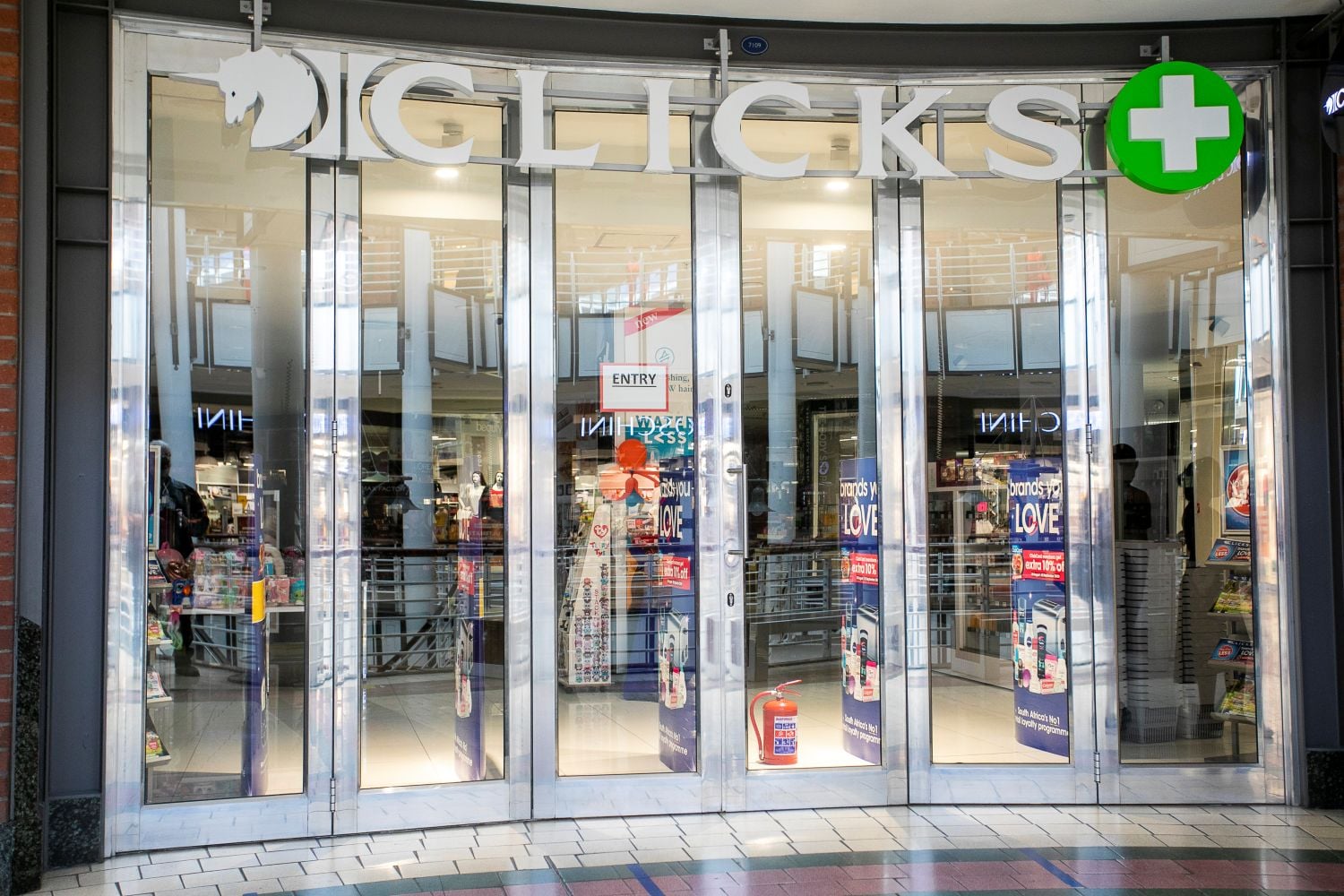
South Africa's retail sector is experiencing a severe financial downturn, marked by significant losses for major players like Clicks Group and other industry leaders. Recent reports highlight staggering figures, with Clicks Group alone shedding R19.7 billion in market value over a five-month period. This crisis is not isolated but reflects broader systemic challenges in the country's retail landscape.
What's Driving the Retail Collapse?
One critical factor is the operational instability within Clicks' supply chain. The delay in implementing its warehouse management system has directly impacted sales, wiping out approximately R175 million in revenue. This technical failure highlights how even seemingly minor disruptions can trigger major financial consequences in a high-volume retail environment.
The situation is exacerbated by rising operational costs. With the government's recent decision to impose higher fuel prices, companies like Tiger Brands are now spending an additional R25 million monthly on fuel costs, which translates to a significant strain on already stretched budgets. This trend of cost escalation is becoming increasingly common across the sector.
How Retailers Are Coping
- Implementing agile inventory management systems to minimize stockouts
- Exploring alternative logistics networks to mitigate warehouse delays
- Adopting cost-saving measures to counter rising fuel expenses
These strategies are critical for survival, but they require substantial investment and precise execution. Retailers must balance immediate operational needs with long-term strategic planning to avoid further deterioration.
Additionally, the broader economic context plays a significant role. South Africa's high inflation rates and currency volatility have intensified pressure on retailers, who are now forced to navigate complex pricing strategies while maintaining profitability.
Analysts warn that without immediate intervention, the retail sector could face a downward spiral. The combination of supply chain issues, rising operational costs, and declining consumer confidence is creating a perfect storm for the industry.