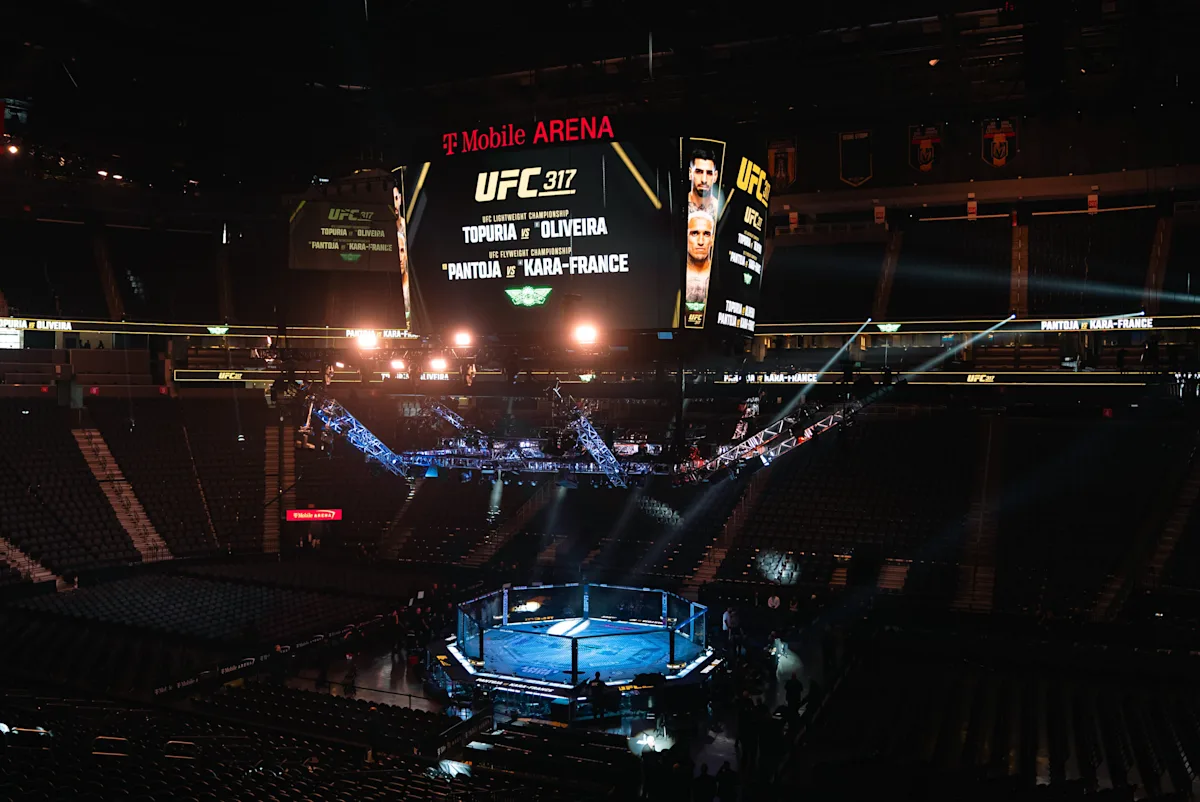
Is the UFC in a streaming crisis or just adapting to survive?
The Ultimate Fighting Championship stands at a pivotal crossroads. After years of explosive growth, the organization now faces scrutiny over its financial health and subscriber retention on Paramount+.
MMA journalist Alex Davis reflects on four decades of witnessing the sport's evolution, noting that while iconic moments still define MMA culture, current strategies risk alienating long-time fans.
Financial transparency from Paramount Skydance reveals a stark reality: despite record viewership, subscriber growth has plateaued. Meltzer’s analysis highlights how UFC events are driving engagement but not necessarily expanding the platform’s user base.
The live broadcast of Khamzat Chimaev vs. Sean Strickland at UFC 328 underscores the event's intensity and viewership numbers. Yet, this momentum does not translate into sustained investment in new content or fighter development pathways.
How streaming impacts UFC’s future
- Financial dependency on Paramount+ creates vulnerability to platform changes.
- Subscriber retention lags behind event attendance despite high-profile matchups.
- Fighter paychecks remain strong but talent pipelines face structural limits.
This dynamic reflects a broader trend in sports entertainment: visibility without legacy. The UFC must evolve beyond live events to build narrative continuity and brand equity.
Historically, the promotion’s independence allowed unfiltered growth. Now, partnerships with media giants introduce commercial pressures that may stifle creative risk-taking. Yet, data shows audiences still crave authenticity—what if the crisis is not in profit but in relevance?
Future implications include potential contract renegotiations or a shift to exclusive streaming windows. The organization risks becoming a content supplier rather than a cultural force.
Ultimately, UFC’s survival hinges on answering this question: Are we fighting to stay alive or to reclaim our identity?