Oman's Strategic Position: Balancing Energy Transitions and Regional Security in the Gulf

Editor 10 May, 2026 ... min lectura

Oman has long been a pivotal player in the Gulf's geopolitical and economic landscape, with its unique geographic location straddling the Arabian Gulf and the Indian Ocean. As a sovereign nation with a rich history of maritime trade and oil production, Oman's recent strategic moves have placed it at the forefront of both energy security and regional stability discussions. The country's recent actions—particularly its pivot toward renewable energy and its role in monitoring critical maritime routes like the Strait of Hormuz—highlight a nuanced approach to balancing traditional oil-dependent economies with emerging green initiatives.

How is Oman leveraging its strategic position to address the oil crisis?

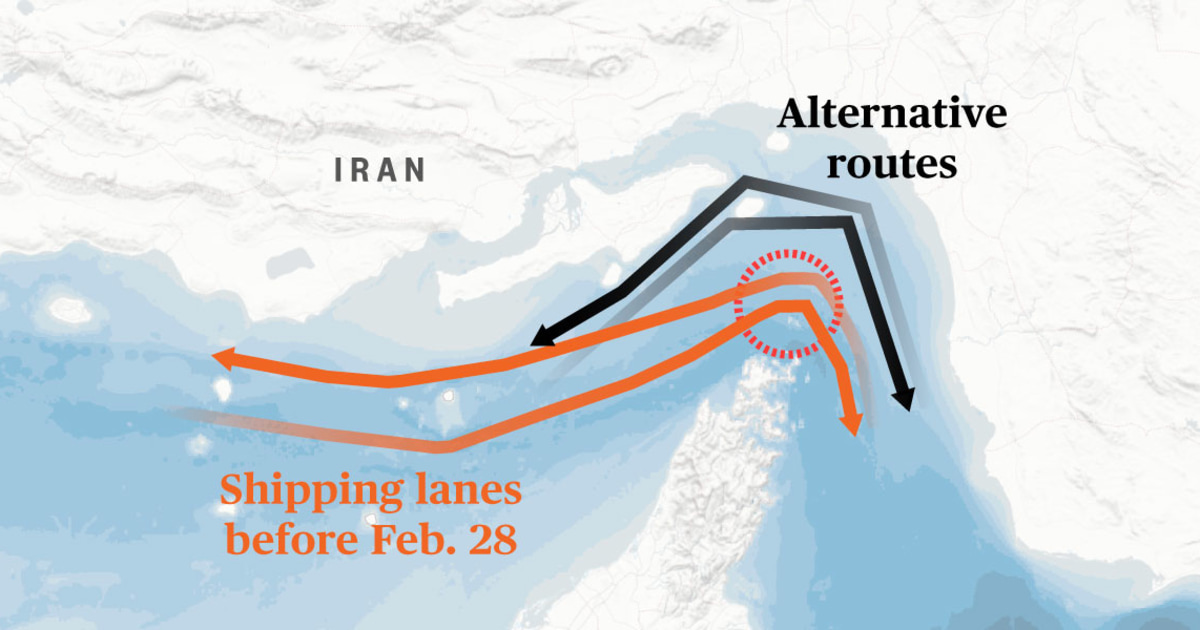
Amidst the global oil crisis triggered by heightened tensions in the Strait of Hormuz, Oman has emerged as a key observer of shipping patterns and energy flows. With the Strait of Hormuz being the world’s most critical oil transit route, any disruption here can ripple across global markets. Oman’s ability to track and report on ship traffic through this strait has become vital for understanding how energy flows are shifting in response to geopolitical conflicts.

  • Real-time monitoring systems deployed by Oman’s maritime authority provide critical insights into shipping routes and potential disruptions.
  • Collaboration with international entities like the United Nations and regional security organizations helps mitigate risks associated with maritime threats.
  • Strategic data sharing with global oil markets ensures transparency and reduces uncertainty for traders and policymakers.

Oman’s proactive role in tracking ship traffic has not only enhanced its national security posture but also positioned it as a potential hub for alternative energy solutions. As the country moves to accelerate its adoption of hydrogen power, it is aligning its energy transition with broader regional stability efforts.

The recent launch of Oman’s hydrogen power plant tender signals a shift from traditional oil-based energy to a more diversified, sustainable model. This initiative is part of a larger strategy to reduce reliance on volatile oil markets while ensuring energy security in an increasingly fragmented global economy.

What role does Oman play in the geopolitical dynamics of the Strait of Hormuz?

The Strait of Hormuz, where the majority of the world’s oil passes through, has seen significant turbulence in recent months due to US-led blockades of Iranian ports. Oman’s neutrality in this context is crucial—it avoids direct confrontation with major powers while maintaining a pragmatic stance that balances its economic interests with regional security concerns.

By focusing on its maritime monitoring capabilities and supporting the transition to clean energy, Oman is creating a unique value proposition: a nation that can monitor and adapt to volatile energy markets while simultaneously building its own resilience through innovation.