Georgian real estate markets have seen significant shifts in recent months, particularly with the recent sale of a major development unit to local investors. This transaction highlights the country's growing appeal for domestic capital in a region historically marked by economic volatility and strategic positioning.
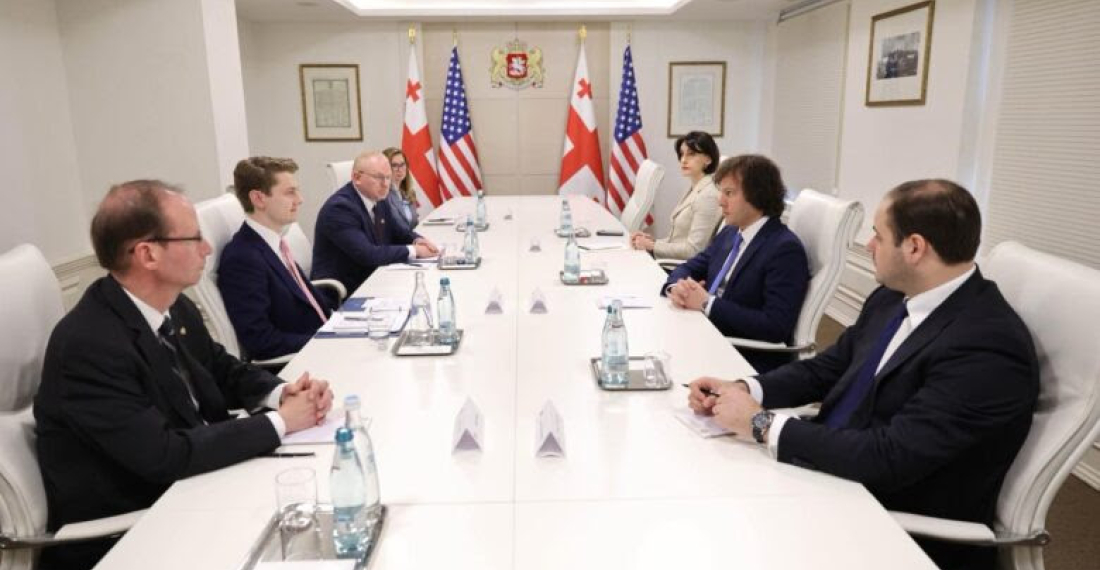
Amidst these domestic economic developments, Georgia has also engaged in high-stakes diplomatic maneuvers. The recent U.S. diplomatic talks have intensified, coinciding with the introduction of a new hate speech law—a move that underscores the delicate balance between national sovereignty and international norms.
How does Georgia navigate its complex relationship with the U.S.?
The country’s strategic location at the crossroads of Europe and Asia has made it a focal point for geopolitical interests. Georgia’s recent push for closer ties with the U.S. has been marked by both enthusiasm and skepticism. The new hate speech law, enacted in response to rising online harassment and ethnic tensions, has drawn particular attention from international observers.
Georgian politicians, including MP Matikashvili, have emphasized the need for tangible progress in U.S.-Georgian relations. His statement that 'the ball is in America's court' reflects a pragmatic understanding of the challenges ahead. This phrase encapsulates the broader diplomatic tension: while Georgia seeks to leverage its strategic location and economic potential, it faces pressure to align its domestic policies with international standards.
- The real estate sector is a critical indicator of economic health, with Georgia's development units attracting investment from both local and international stakeholders.
- The new hate speech law aims to combat cyberbullying and hate speech, but its implementation remains uncertain.
- U.S. engagement with Georgia has shifted from verbal commitments to concrete actions, as highlighted by officials like Matikashvili.
Georgian capital’s real estate ventures reflect a broader trend of economic liberalization and infrastructure development. The country has been working to attract foreign investment while balancing its historical ties with Russia and the West.
As the U.S. continues to engage with Georgia, the country must navigate a complex interplay between economic growth and diplomatic expectations. The success of these efforts will depend on the ability of Georgia to demonstrate transparency and accountability in both economic and political spheres.