Illinois Tornadoes Leave Deep Scars: Recovery Efforts Intensify After Friday's Devastation

Editor 19 Apr, 2026 ... min lectura

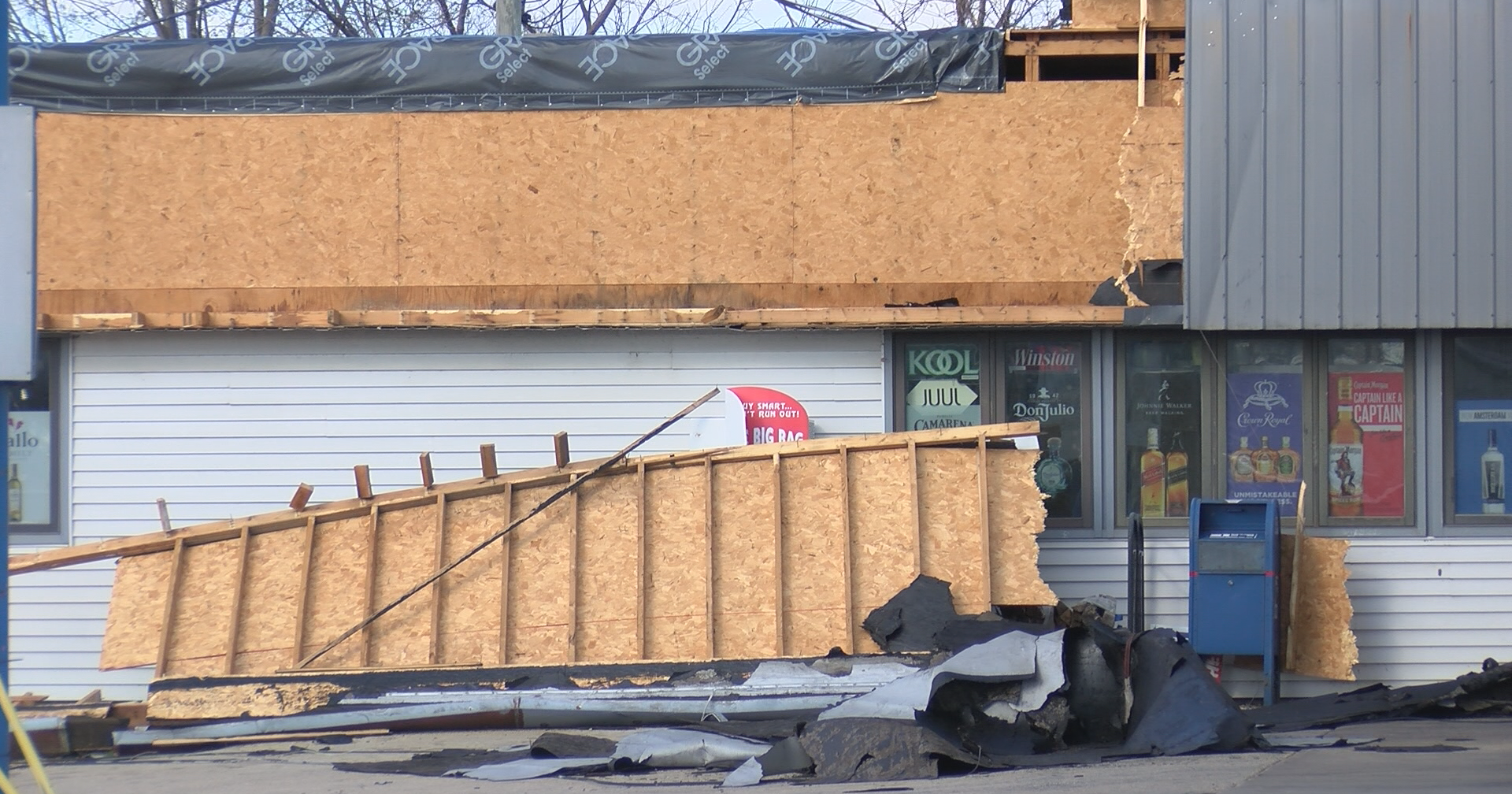
As the dust and debris from Friday's severe weather cleared across central Illinois, communities from the Chicago metro area to rural McLean County faced the aftermath of a devastating series of tornadoes. The National Weather Service (NWS) confirmed five tornadoes touched down across the state during the late-night storming, leaving a trail of destruction that has already impacted thousands of residents. With over half of Lena, Illinois, still without power, the scale of damage underscores the urgency of recovery efforts.

Local authorities and emergency responders have been mobilizing rapidly to address the immediate needs of affected populations. In McLean County, where one of the most severe tornadoes impacted Frontage Road near Empire, damaged infrastructure and hazardous materials have become critical concerns. Volunteers and residents are already working tirelessly to clear debris, though the situation remains volatile due to ongoing threats of flooding in the Chicago region.

Are Tornadoes in Illinois Increasing in Frequency?

While the National Weather Service has not yet confirmed a long-term trend, this event highlights the growing unpredictability of severe weather patterns in the Midwest. Historically, Illinois has experienced tornadoes year-round, but the concentration of multiple tornadoes in a single night—especially in a region not typically associated with high tornado activity—raises questions about climate change's influence on storm behavior.

Emergency management experts emphasize that the current situation reflects the complex interplay between meteorological conditions and human infrastructure. For instance, urban and suburban areas in Illinois are increasingly vulnerable to flooding and wind damage due to aging infrastructure and rapid urbanization. This incident demonstrates how the convergence of these factors can exacerbate the impact of a single event.

  • Immediate response: Local emergency teams are prioritizing life-saving operations, including rescue missions and debris clearance
  • Infrastructure challenges: Flooding risks and damaged roadways threaten evacuation routes and emergency access
  • Long-term recovery: Community resilience efforts focus on rebuilding homes and restoring critical services

The National Weather Service has been tracking these events closely, noting that the majority of tornadoes in Illinois occur during spring and early summer, with the most active periods between March and May. However, the recent clustering of tornadoes across multiple counties suggests that weather patterns may be evolving at a faster rate than previously observed.

Residents in affected areas are now focusing on immediate recovery, with volunteers using chainsaws and manual labor to clear debris. The emotional toll on families and communities cannot be overstated. In Lena, where a significant portion of the population has been displaced, the community has shown remarkable resilience, with neighbors assisting one another in the aftermath of the storm.

Looking ahead, the National Weather Service and state emergency management agencies are working to enhance their early warning systems and public communication strategies. These steps are critical for reducing the impact of future events and ensuring that communities can better prepare for the increasing frequency and intensity of severe weather.