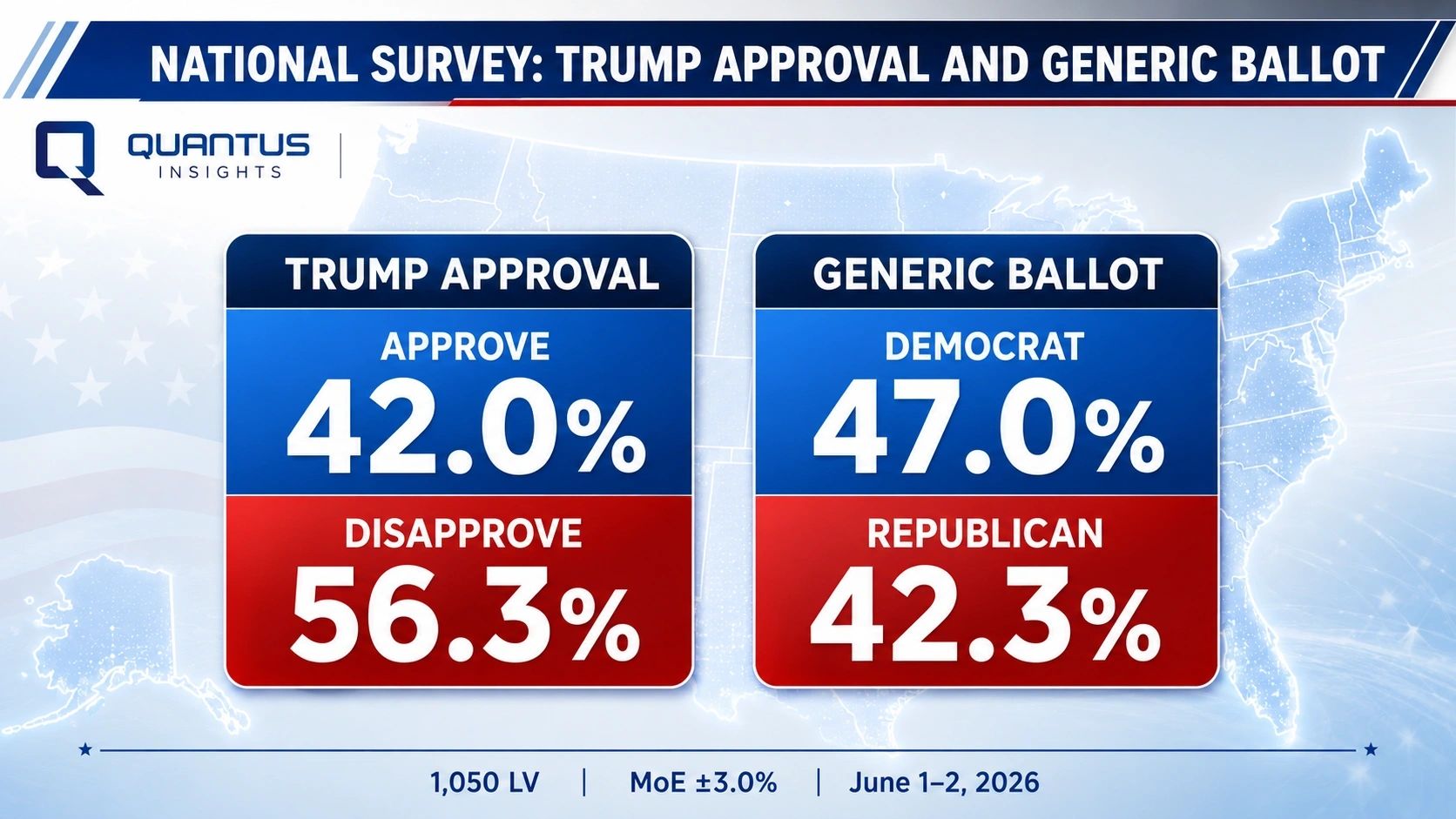
Recent polling data has revealed a significant shift in public sentiment toward former President Donald Trump, with his net approval rating hitting an unprecedented low. According to the latest Economist/YouGov poll released on June 2, 2026, a record-high percentage of Americans now express disapproval of Trump’s presidency. This trend marks a stark contrast to previous months and underscores growing discontent across the political spectrum.
The net approval rating metric, which measures the difference between approval and disapproval percentages, has dropped below -10% for the first time since 2017. This decline reflects a complex interplay of factors, including economic concerns, policy disagreements, and shifting voter preferences. Analysts suggest that the underwater status of Trump’s approval ratings—where disapproval exceeds approval—has intensified political polarization and weakened the stability of the current political climate.
Why Is Trump’s Net Approval Rating So Low?
The latest poll shows that 54% of respondents disapprove of Trump’s leadership, while only 32% approve. This significant gap has been attributed to a combination of economic dissatisfaction, perceived missteps in foreign policy, and a growing sense of disillusionment with the Republican Party’s direction.
- Economic dissatisfaction has become a primary driver of the decline, with 45% of Americans citing inflation and job losses as key concerns.
- Policy disagreements have intensified, particularly around immigration and climate action, with 38% of respondents expressing frustration with Trump’s approach to these issues.
- Political polarization has further eroded trust in Trump’s ability to mediate between opposing factions, leading to a more fragmented electorate.
These trends highlight the challenges facing the current political landscape, as well as the potential for a more contentious future. The underwater status of Trump’s approval ratings is not just a reflection of his personal performance but also a symptom of broader societal shifts.
As the 2026 election approaches, this data will likely influence voter behavior and policy decisions. Political analysts warn that without significant policy changes or a clear vision for economic recovery, the underwater trend could continue to deepen, potentially leading to a more volatile political environment.