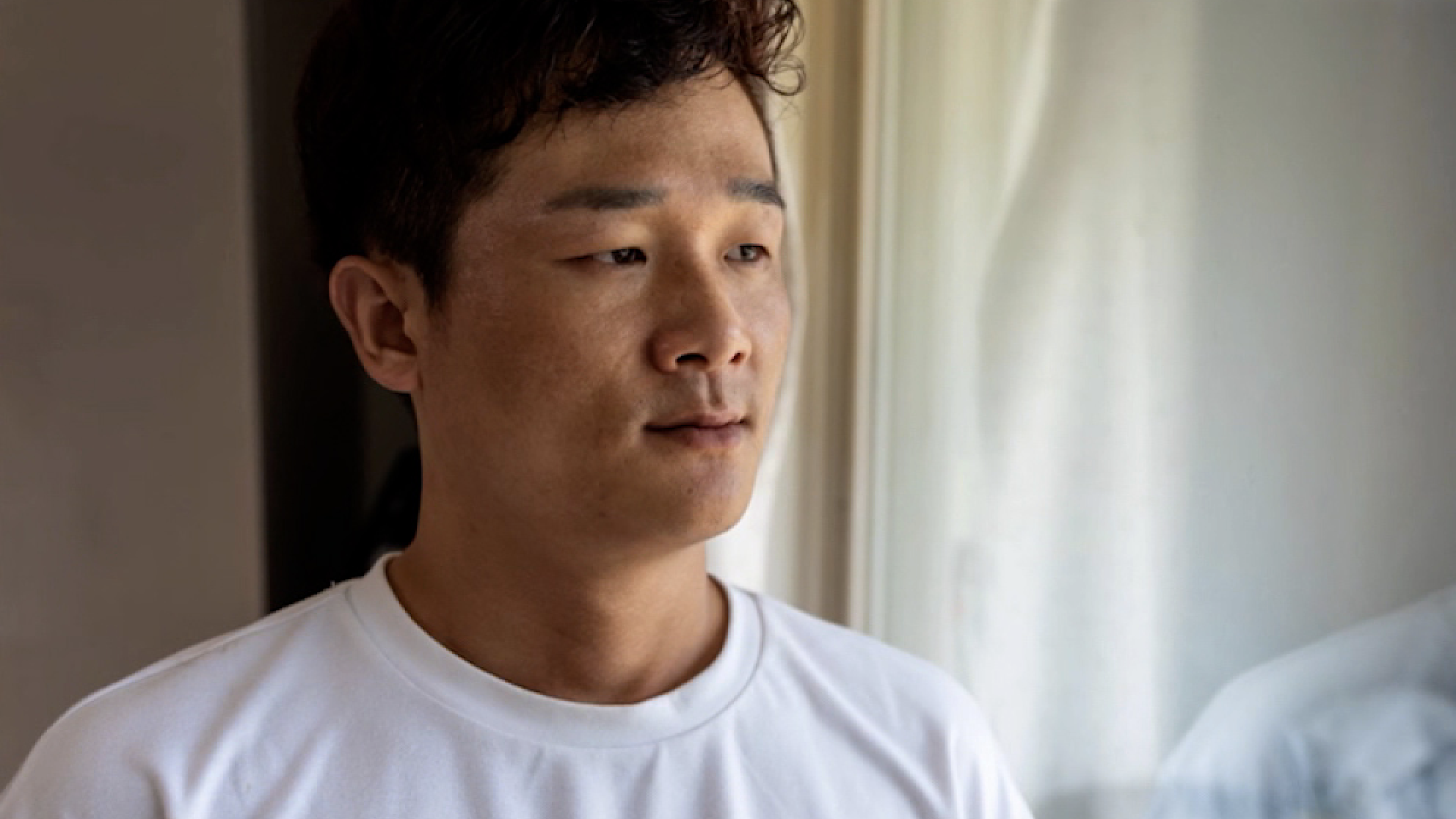
In a remarkable act of resilience, two North Korean brothers have become the first known siblings to successfully flee their homeland via a coastal route after a decade-long covert plan. Their journey, which began in 2015, highlights the extraordinary risks and complexities of escaping North Korea's repressive regime.
For years, the brothers, whose names have been withheld for security reasons, plotted their escape with meticulous precision. Influenced by their late father's legacy of resistance against authoritarian control, they developed a strategy that would require not just physical courage but also deep understanding of North Korean maritime operations and regional dynamics. This clandestine operation, which involved multiple stages of preparation and risk assessment, ultimately led to their successful departure from a remote coastal village.
How Did They Do It? The Critical Role of Timing and Geography
The brothers' plan hinged on exploiting a rare window of opportunity when North Korean authorities were focused on internal security measures due to a temporary reduction in maritime surveillance. They identified a specific coastal region with minimal patrols and used a small, unmarked fishing boat to navigate toward South Korea.
Upon arrival in South Korea, they faced immediate challenges. The journey was not just about crossing borders but navigating complex international protocols, language barriers, and the emotional toll of separation from their homeland. Within weeks, their family’s story began to unfold as more relatives followed suit, creating a ripple effect that reshaped their immediate surroundings.
- Early preparation: 10 months of covert training to master navigation, evasion tactics, and communication with potential allies
- Geographic targeting: Selection of a coastal zone with minimal surveillance, chosen after analyzing satellite data and local informants
- Family coordination: Organizing 8 relatives to join the escape within 30 days of their initial departure
What makes this story particularly significant is the timeline of events. Just days after their arrival, they discovered that their planned escape had been partially compromised by a sudden increase in North Korean security measures. This event forced them to adapt their strategy on the fly, leading to a series of critical decisions that tested their ability to remain flexible in the face of rapid change.
Their experience is emblematic of the broader challenges faced by those who attempt to leave North Korea. While the success of this escape offers hope for others, it also underscores the unpredictable nature of such journeys. As one relative noted, 'The moment you think you’re safe, something else changes.' This sentiment reflects the reality that escape attempts are often fraught with unexpected consequences.