Paulina Porizkova's Ageless Beauty: Why 'Still Beautiful' Offends Her at 61

Editor 20 Apr, 2026 ... min lectura

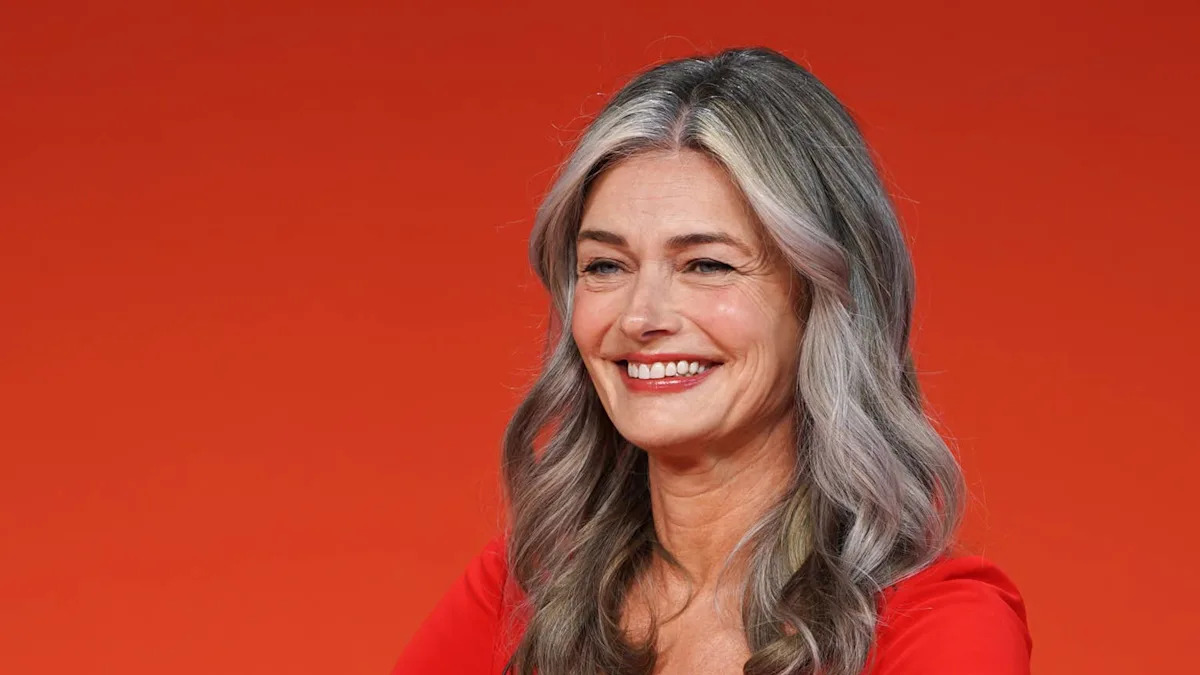
Paulina Porizkova, the iconic model and philanthropist, has become a cultural phenomenon by challenging ageist stereotypes through her bold, unapologetic stance on aging. At 61, she’s not just redefining beauty standards but also confronting the language that often accompanies them. In a recent video released on April 16, Porizkova addressed the phrase 'you’re still beautiful' with a sharp, articulate critique that has gone viral.

Why 'Still Beautiful' is a Problematic Phrase

Porizkova explains that the word 'still' in the phrase 'still beautiful' implies a static, unchanging state, which is inherently problematic when discussing aging. This phrase, she argues, suggests that her beauty has been preserved despite the passage of time—a notion that contradicts the natural reality of aging. The term 'still' carries a connotation of being unaltered, which is a direct contradiction to the dynamic, evolving nature of human experience.

For Porizkova, this phrase is more than just a stylistic choice; it’s a linguistic trap that reinforces a narrow and outdated view of aging. The phrase implies that her beauty is a fixed state, rather than a continuous process that changes with time and life experiences. By using 'still,' the speaker is suggesting that her beauty is unchanging, which is a concept that does not align with the reality of how aging affects individuals.

How Ageism Shapes Beauty Narratives

  • The phrase 'still beautiful' perpetuates the myth that aging is a loss of beauty, rather than a natural and evolving process
  • It implies that beauty is a static attribute, rather than a dynamic and changing aspect of life
  • Using 'still' in this context creates a false dichotomy between youth and age, suggesting that beauty is a fixed state

Porizkova’s critique is rooted in a deeper understanding of language and its role in shaping societal perceptions. The phrase 'still beautiful' is often used to describe individuals who remain youthful-looking despite aging, but this phrase is a linguistic construct that doesn’t reflect the reality of how aging affects people. By highlighting this, Porizkova is not only speaking for herself but also for a generation of women who have experienced the complexities of aging and the language used to describe it.

Her message is a call to action for a more nuanced and respectful way of discussing aging and beauty. By challenging the language that often accompanies ageism, she is helping to create a more inclusive and understanding cultural narrative around aging and beauty.