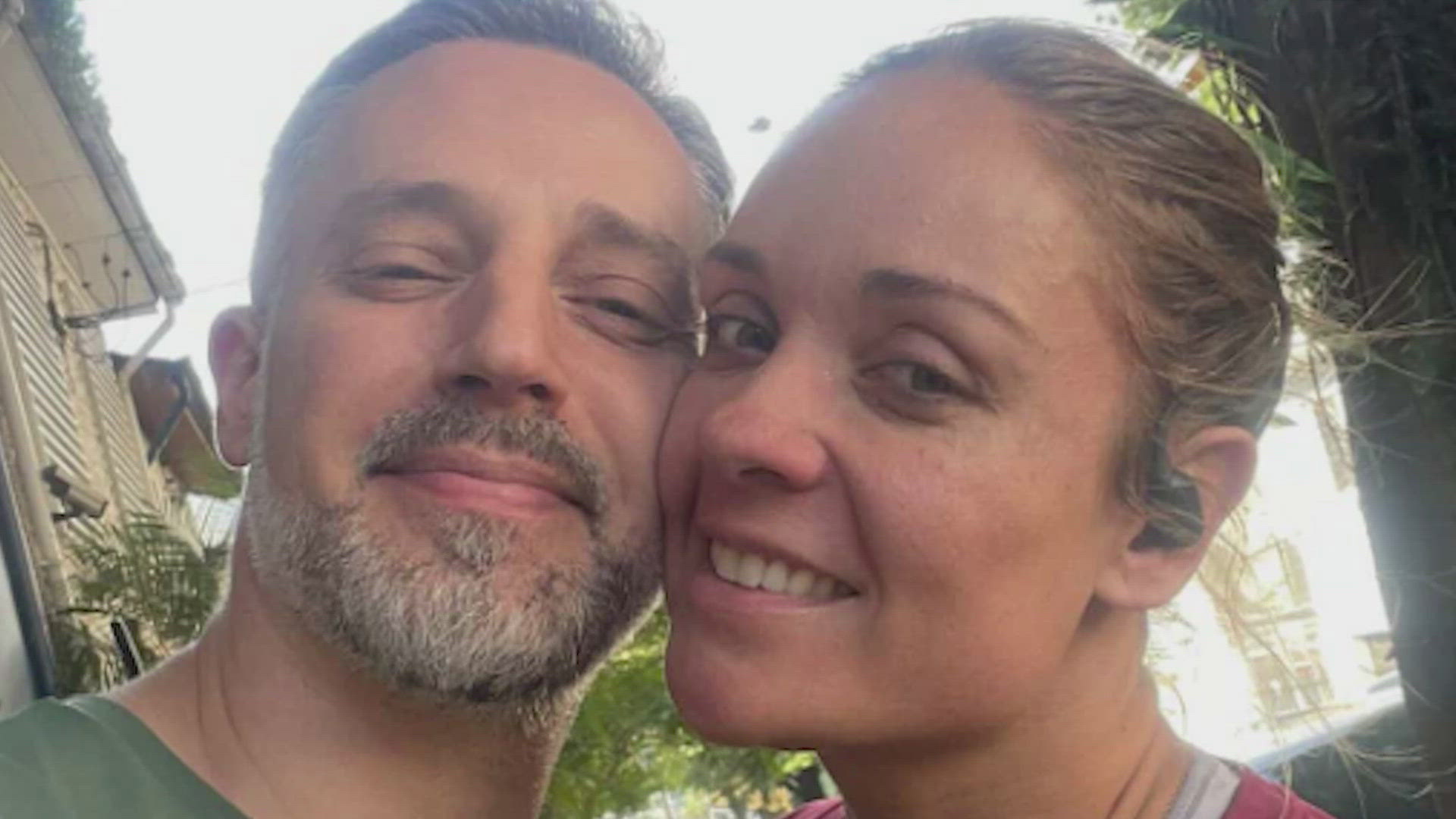
As the popularity of triathlon events continues to surge, a stark and tragic incident has come to light that underscores the inherent risks within this demanding sport. A 38-year-old fitness influencer recently drowned while swimming in the 2026 IRONMAN Texas triathlon, sparking urgent conversations about safety protocols and athlete vulnerability.
Triathletes train for years to master three disciplines: swimming, cycling, and running. Yet, the aquatic phase—often the most unpredictable segment—remains a critical vulnerability. This incident, which occurred in The Woodlands, Texas, highlights how even the most prepared athletes can face unforeseen dangers during high-stakes competitions.
Why Does the Swimming Segment Pose Such a High Risk?
Unlike cycling or running, swimming in open water exposes athletes to environmental threats that are difficult to predict and mitigate. Current conditions, including water temperature, currents, and wildlife, can drastically alter an athlete's performance and safety. In this case, the athlete’s body was found in a state of distress, suggesting a possible sudden change in water conditions or an unexpected encounter with marine life.
Experts from the Triathlon Medical Advisory Board emphasize that while most triathletes undergo rigorous training, open-water swimming introduces variables that traditional training cannot fully replicate. The incident has led to increased scrutiny on the safety measures implemented by event organizers, particularly in regions with complex water environments.
What Can Be Done to Prevent Future Incidents?
- Enhanced monitoring systems for real-time water condition tracking and immediate emergency response
- Stricter safety protocols for athletes with pre-existing health conditions or high-risk behaviors
- Improved communication between race officials and participants about potential hazards before the event
The tragedy has also revealed gaps in emergency response infrastructure. In many triathons, especially in suburban areas like The Woodlands, local emergency services may not be adequately equipped to handle sudden medical emergencies during the swim segment. This incident has prompted calls for collaboration between triathlon organizers and local emergency services to streamline response times.
From a broader perspective, this incident is a reminder that triathlon safety must evolve beyond the traditional framework of training and competition. Athletes, organizers, and medical teams must work together to address the unique challenges of open-water swimming, which is often treated as a 'low-risk' segment despite its potential for severe consequences.
As the sport continues to grow globally, the lessons learned from this incident can serve as a catalyst for meaningful change. By prioritizing athlete safety and transparency in event planning, the triathlon community can ensure that the thrill of competition does not come at the cost of human life.