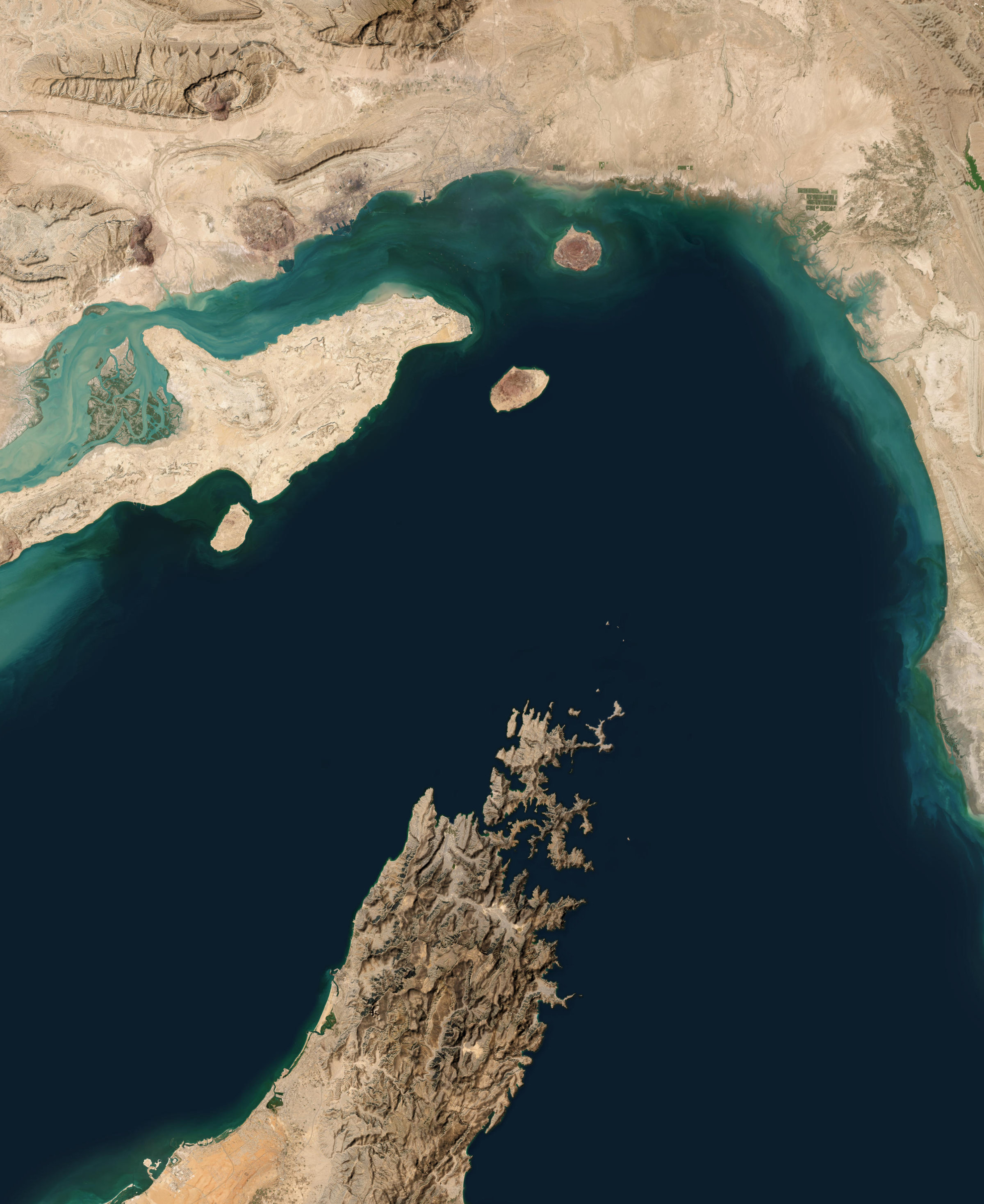
The Strait of Hormuz, a narrow waterway between Iran and the Arabian Peninsula, is the world's most critical oil chokepoint. Spanning just 80 kilometers, it accounts for nearly 20% of global oil production. For decades, this strategic corridor has been the stage for geopolitical tensions, economic pressures, and military maneuvers that ripple across international relations. As the world’s largest oil supplier, the region's stability directly impacts global energy security.
Recent ship-tracking data reveals a dramatic shift: five loaded Qatari LNG vessels are now navigating the Strait of Hormuz. This movement, monitored by platforms like Kplr, signals a strategic pivot in regional energy dynamics. Qatar, a major LNG producer, is leveraging its vast reserves to diversify supply routes and counterbalance Iranian influence. The timing of this movement—coinciding with heightened tensions in the region—raises questions about how oil and gas flows are adapting to shifting geopolitical landscapes.
How Does the Strait of Hormuz Fit into the Current Geopolitical Climate?
Historically, the Strait of Hormuz has been a flashpoint for conflict. During the 1980s Iran-Iraq War, the region saw limited naval activity, with few ships passing through. Today, the dynamics are more complex. The U.S. has recently imposed a blockade on Iranian shipping, creating a 'slow-motion battle' for control over this critical waterway. This isn't just about oil—it's about power, influence, and the ability to move critical resources without disruption.
As of this week, over 20 ships have successfully cleared the Strait of Hormuz, according to Kplr data. This represents a significant increase in shipping activity compared to pre-war conditions, highlighting the adaptive strategies of shipping routes and the resilience of global trade networks. The data reflects a delicate balance between military actions and economic needs.
- Iranian threats during the war led to a reduction in shipping through the Strait of Hormuz, with vessels moving north into Iranian waters.
- U.S. military actions have since created a new form of disruption, redirecting shipping routes to avoid conflicts with Iranian forces.
- Qatar's strategic response involves shifting its LNG shipments through the Strait of Hormuz to maintain stable energy flows despite geopolitical tensions.
These adjustments demonstrate how the Strait of Hormuz remains a focal point for real-time strategic decisions. The movement of Qatari LNG vessels, for instance, is a direct response to the current geopolitical climate, showing how global energy flows are adapting to changing conditions.
Looking ahead, the Strait of Hormuz will continue to be a critical indicator of regional stability and global energy security. The ability to navigate this waterway without disruption is a key measure of the broader geopolitical health in the region. As the world's largest oil supplier, the region's stability has far-reaching implications for global economies and political systems.