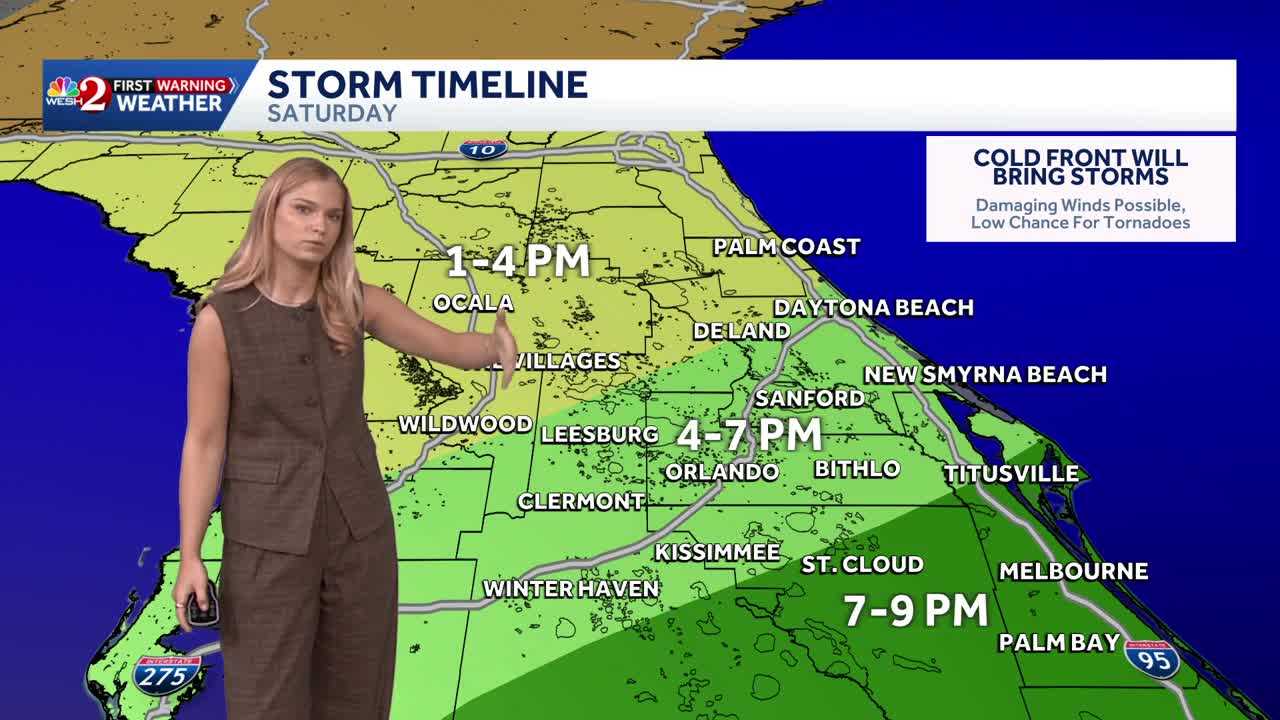
As evening approaches in Central Florida, the weather patterns in Orlando are shifting rapidly. Storey Park, a key location near Orlando, has experienced significant temperature fluctuations between 4:06 PM and 6:20 PM UTC, reflecting the dynamic nature of the current weather system. This rapid change is part of a broader trend where warm, humid air masses collide with cooler, storm-prone systems across the region.
The forecast for Central Florida today has been described as 'a toasty day with storms forecasted.' Meteorologist Victoria Wisniewski, who tracks these conditions, explains that the combination of high temperatures and atmospheric instability is creating a volatile environment. This isn't an isolated event but a recurring pattern during late spring and early summer in the region.
Why is Central Florida getting such unpredictable weather?
Central Florida's weather is influenced by multiple factors, including the movement of the Bermuda High—a semi-permanent high-pressure system that typically dominates the eastern U.S. during summer months. When this system shifts, it can bring in moist air from the Gulf of Mexico, leading to thunderstorms and heavy rainfall. However, in this case, the system is also bringing in warm air from the south, creating a 'toasty' environment before the storm systems arrive.
The term 'toasty' used by local forecasters is a colloquial way to describe the current high temperatures, often exceeding 85°F (30°C) in many parts of the region. These temperatures, combined with high humidity levels, increase the risk of heat-related illnesses, particularly for vulnerable populations like children, elderly individuals, and those with pre-existing health conditions.
- High temperatures (85°F–90°F) are common in Orlando during this season
- Thunderstorms can develop quickly, often bringing intense rainfall and lightning
- Humidity levels can exceed 70%, making the heat feel more intense
Understanding these dynamics is critical for residents to prepare for potential disruptions. The National Weather Service (NWS) has issued a Heat Advisory for central Florida, warning of potential health risks due to elevated temperatures and humidity.
The situation is further complicated by the interaction between the Bermuda High and the approaching tropical moisture from the Gulf. This confluence creates a perfect storm for both heat and precipitation. The 'toasty day' phase is typically short-lived, often lasting only a few hours before the storm systems arrive.
Residents in Orlando and surrounding areas should monitor local weather updates regularly, especially in the afternoon and evening. The National Weather Service and local meteorologists like Victoria Wisniewski are key resources for real-time information and safety advice.