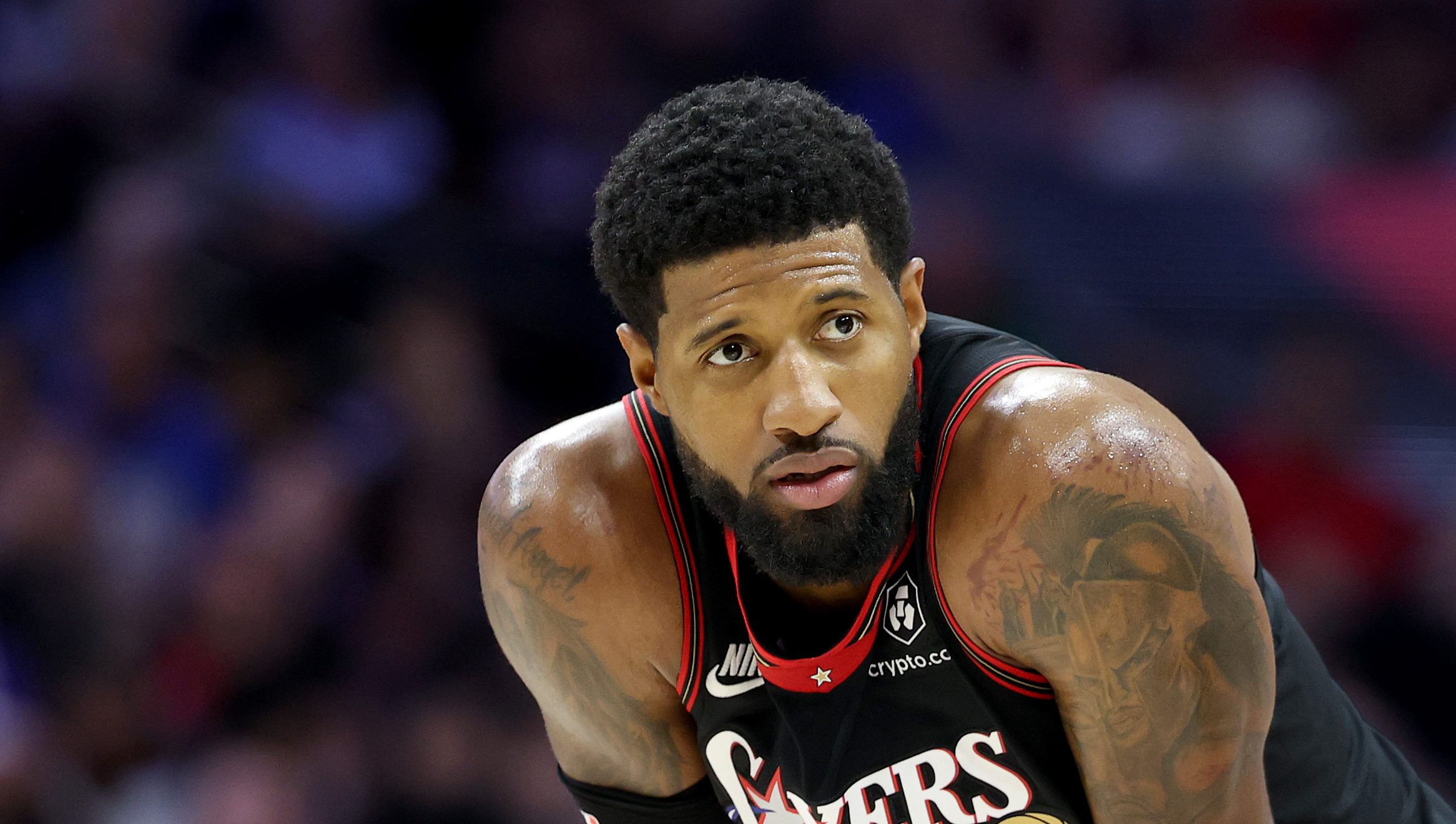
Philadelphia 76ers forward Paul George’s recent 25-game suspension for a drug violation has sent ripples through NBA discussions about player accountability and team dynamics. The suspension, which lasted from late March through early May, ended with George entering the postseason healthy, a development that has shifted the narrative around his value to the Sixers. This isn’t just about one player’s disciplinary action—it’s a case study in how modern sports intersect with evolving drug policies and the high-stakes environment of the NBA playoffs.
Did Paul George’s suspension impact his playoff readiness?
Contrary to early concerns, George’s return to form has been remarkable. Since resuming play after the 25-game ban, he’s averaged 21 points per game, a significant jump from his pre-suspension output. This resurgence highlights the resilience of athletes who navigate complex personal challenges while balancing professional commitments. The suspension, initially framed as a punitive measure for a drug violation, has instead become a catalyst for deeper reflection on the sport’s approach to substance abuse.
- The suspension was confirmed by the NBA after a routine drug test revealed a positive result for a banned substance.
- George’s 21-point average since returning shows a strong rebound, indicating his ability to adapt to new challenges.
- The Sixers’ strategy shifted from immediate concern to strategic confidence in his recovery process.
What’s particularly notable is that the suspension did not disrupt George’s playoff trajectory. Instead, it gave the team a chance to adjust their strategy around his recovery, emphasizing the importance of mental and physical readiness in high-pressure environments.
How does this suspension fit into the larger context of NBA drug policies?
Since the NBA’s introduction of mandatory drug testing in 2016, the league has seen a significant shift in how violations are handled. The 25-game suspension for George is part of a broader trend where the NBA has moved toward stricter protocols to prevent repeat offenses. This case underscores the challenges faced by players who test positive for substances not used for performance enhancement.
The suspension also highlights the evolving nature of drug policies in professional sports. Unlike in the past, when some violations were treated as minor infractions, today’s approach emphasizes long-term consequences for repeated violations. George’s case is a prime example of this transition, as the league now focuses on preventing future incidents through consistent enforcement.
For the Sixers, the suspension meant more than just a missed season. It represented a pivotal moment for the team’s strategy as they prepared for the playoffs. With George entering the postseason healthy, the team can now focus on his role in the final push toward the championship.