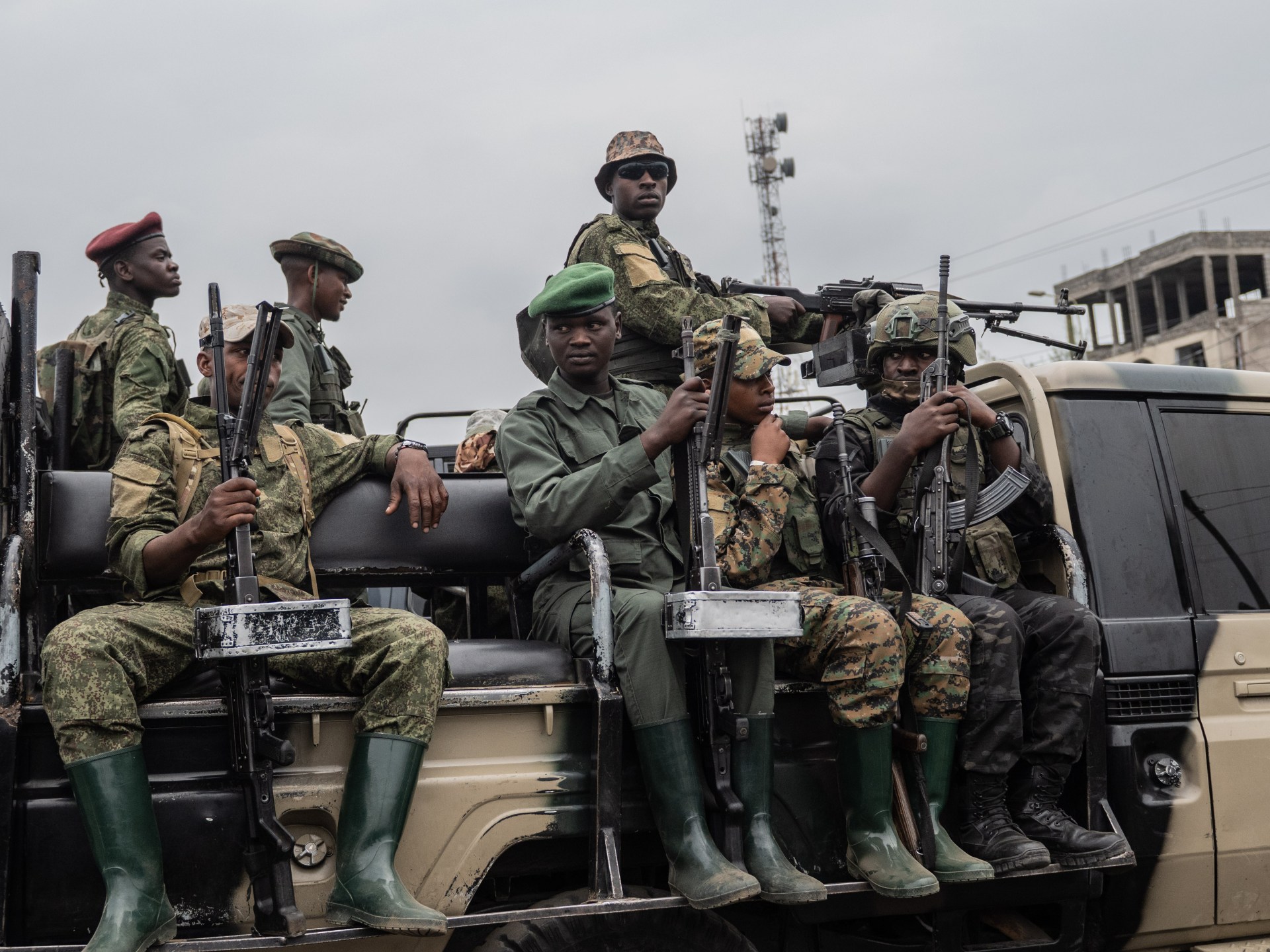
Democratic Republic of Congo (DRC) has recently seen a pivotal shift in its conflict dynamics as the government and M23 rebels, represented by the Alliance for Democratic Forces (AFC), have formalized commitments to protect civilians and facilitate humanitarian aid. This development marks a critical juncture in a conflict that has plagued the eastern region of the country for over a decade, leaving millions without basic necessities like food, water, and medical care.
The DRC government and M23 rebels—part of the larger armed group known as the 'M23'—have agreed to a significant humanitarian truce. Under this agreement, both parties commit to protecting civilians during aid deliveries, refraining from attacks on civilian infrastructure, and ensuring the safe passage of critical aid convoys. This agreement comes amid a growing humanitarian crisis in the eastern DRC, where over 10 million people are affected by ongoing violence and displacement.
Historically, the M23 rebellion has been a major driver of instability in eastern DRC. Formed in 2012, the group has targeted government forces and local communities, leading to widespread civilian casualties and the destruction of infrastructure. The DRC government has long struggled to maintain control in this region, with the conflict often exacerbated by external actors, including regional powers and international organizations.
The recent agreement between the DRC government and the M23 rebels is a direct response to the dire conditions faced by civilians in conflict-affected areas. With the eastern DRC experiencing severe food insecurity and limited access to healthcare, this truce represents a crucial step toward stabilizing the region and improving the lives of vulnerable populations.
Can this truce hold?
The success of this agreement depends on several critical factors. First, the implementation of the agreement must be transparent and monitored by independent bodies to ensure compliance. Second, the broader political context in DRC must see progress toward addressing the root causes of the conflict, such as corruption, weak governance, and economic inequality. Third, the international community must provide sustained support to ensure the truce is not just a temporary measure but a lasting solution.
- Immediate action: Establishing secure corridors for aid delivery and monitoring compliance through real-time data
- Long-term engagement: Addressing the underlying economic and political challenges that fuel the conflict
- International oversight: Ensuring that the truce is monitored by neutral third parties to prevent violations
The agreement is not without risks. The DRC government and M23 rebels have a history of shifting allegiances and prior agreements that have not always held. For instance, past agreements between these groups have often been undermined by internal disagreements or external pressures. The effectiveness of this truce will also depend on the willingness of both parties to adhere to the terms, which requires significant trust and coordination.
Looking ahead, the implications of this agreement could be profound. If successful, it could pave the way for broader peace negotiations and a more stable environment in the eastern DRC. However, without sustained efforts to address the root causes of the conflict, the truce could collapse, leaving civilians in a more precarious position.