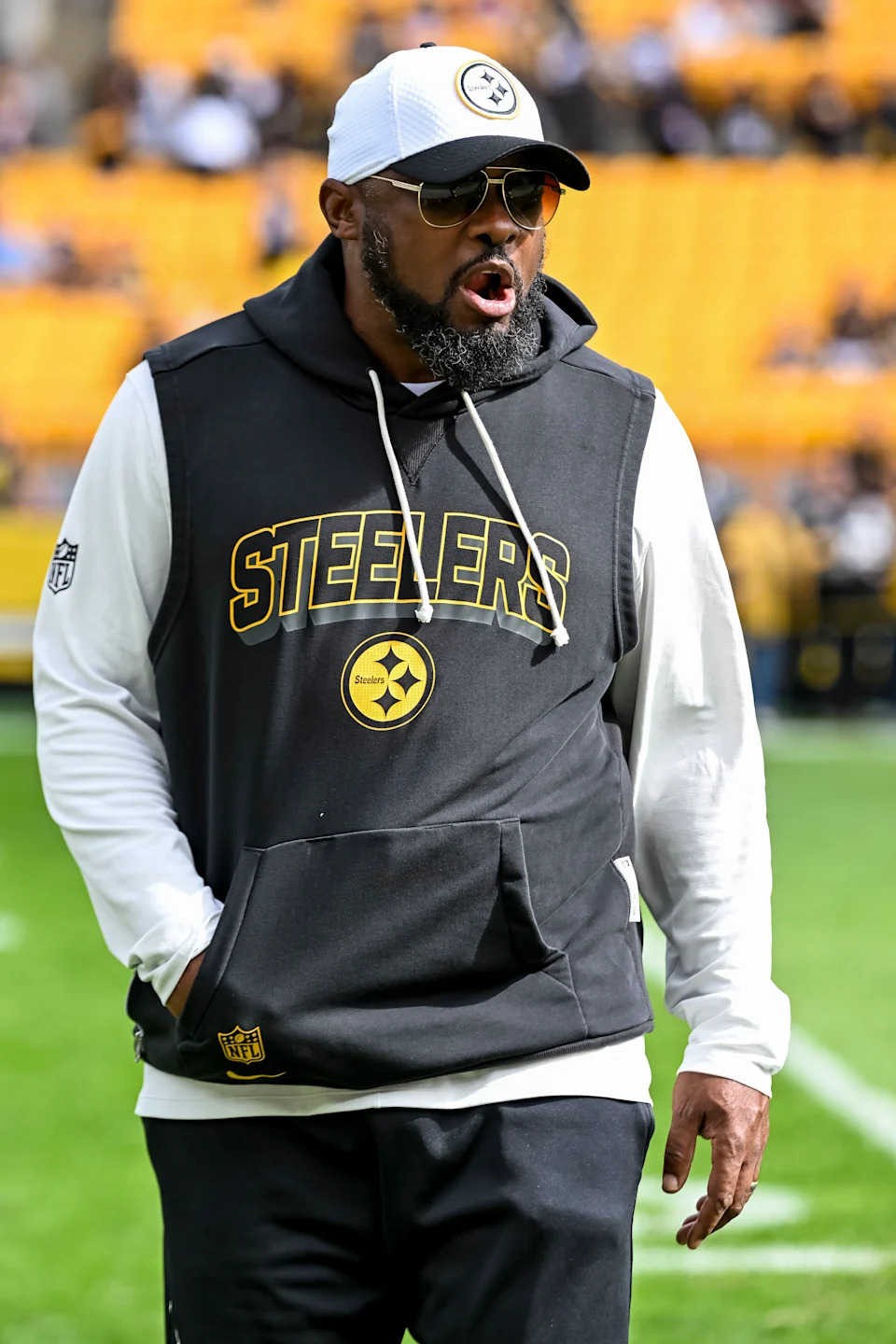
Mike Tomlin, the former head coach of the Pittsburgh Steelers, has made a significant shift in his career trajectory by transitioning into sports media. His move to NBC’s Sunday night NFL pregame show marks a pivotal moment in his journey from the field to the studio. This transition is not merely a change of venue but a strategic realignment that underscores his deep understanding of the game and his ability to translate that knowledge into compelling narratives for audiences.
Why Mike Tomlin?
As one of the most respected figures in NFL coaching, Tomlin’s decision to pivot to media aligns with a growing trend of coaches leveraging their on-field expertise to inform off-field storytelling. His tenure with the Steelers, where he built a legacy of resilience and strategic adaptability, provides a robust foundation for his new role. Unlike many coaches who step away from the sidelines after retirement, Tomlin has chosen to channel his insights into a platform that reaches millions of viewers daily.
Tomlin’s move to NBC’s pregame show is particularly timely, given the evolving landscape of sports broadcasting. With the rise of digital platforms and the demand for authentic, behind-the-scenes analysis, his expertise in navigating complex team dynamics and high-stakes game situations becomes invaluable. His ability to contextualize tactical decisions within broader narratives of team development and organizational culture positions him uniquely for this role.
What Makes This Transition Unique?
- Authenticity: Tomlin brings a level of credibility that resonates with fans who have followed his career closely, from his early days with the Steelers to his recent challenges with the Browns.
- Strategic Insight: His focus on long-term team building and adaptability gives him a fresh perspective on how modern NFL teams approach strategy and leadership.
- Public Engagement: Unlike traditional analysts, Tomlin has a track record of engaging with fans through social media and public forums, ensuring his content remains relevant and accessible.
By stepping into this role, Tomlin is not only expanding his influence but also setting a new standard for how former coaches can transition into media. His approach emphasizes storytelling that connects emotional intelligence with tactical precision, a balance that has been increasingly valued in the digital age of sports broadcasting.
This move reflects a broader shift in the industry, where the lines between coaching and commentary are becoming more fluid. Tomlin’s transition is a case study in how individuals can leverage their unique experiences to create value beyond the field. His work with NBC will likely set a benchmark for future coaches who seek to bridge the gap between on-field leadership and off-field storytelling.