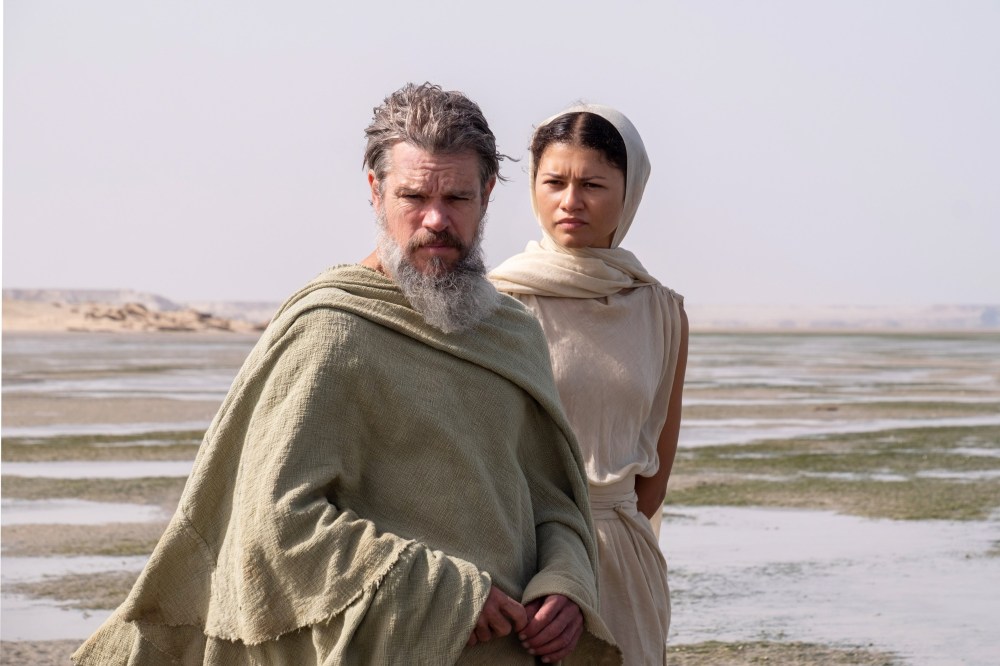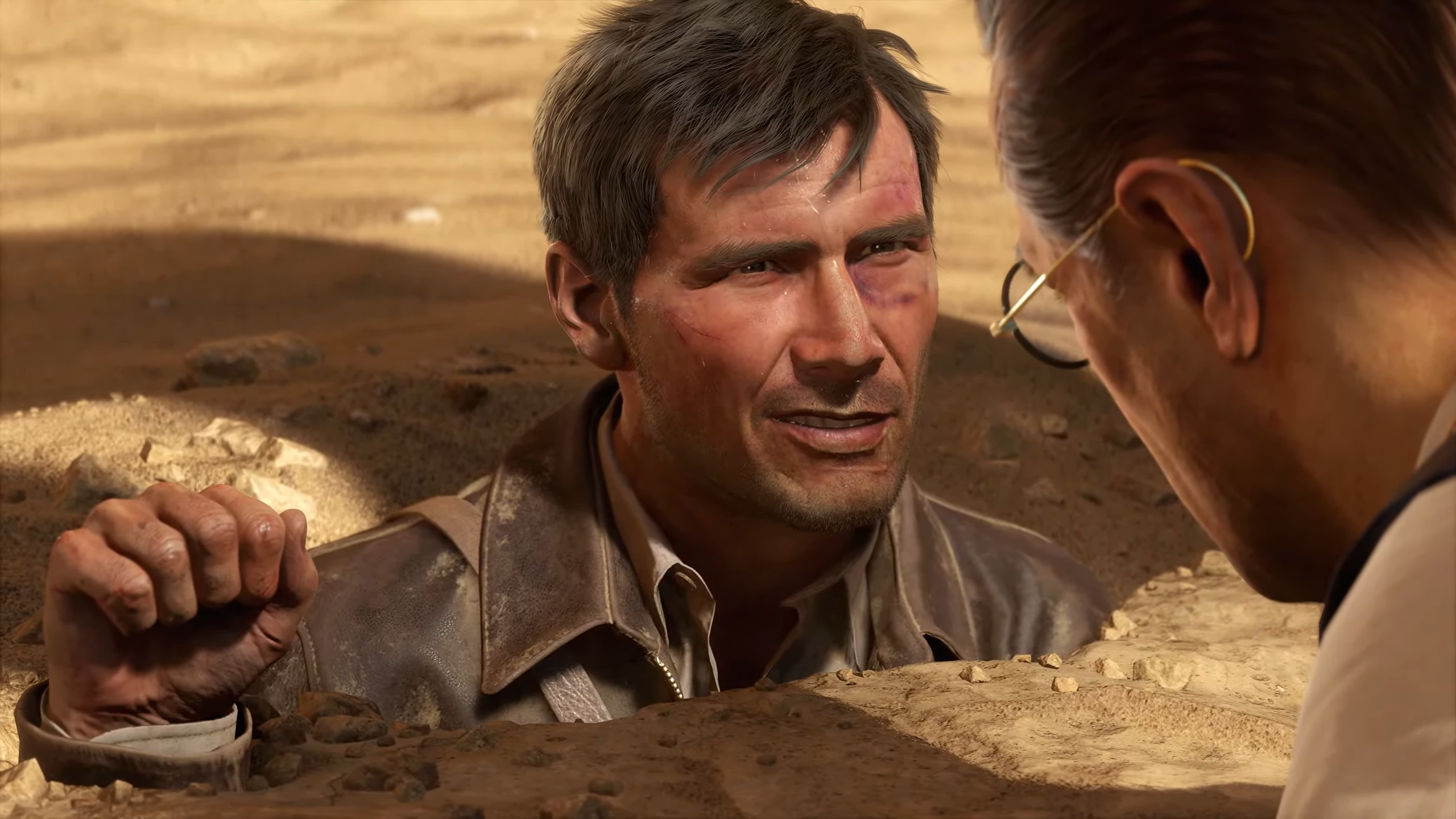
Troy Baker, the acclaimed voice actor behind iconic characters like Joel from The Last of Us and Indiana Jones's Indy in The Great Circle, is poised to make a significant shift in his career trajectory. Known for his dynamic performances in high-stakes video games, Baker has consistently delivered powerhouse voice acting that has become synonymous with critical and commercial success. This transition from voice actor to game developer marks a pivotal moment for both his artistic identity and the broader gaming industry.
Baker’s journey with The Last of Us series, where he brought depth and humanity to Joel, has set a high bar for character-driven storytelling in gaming. His ability to convey complex emotions through nuanced vocal delivery has been widely praised by critics and players alike. Now, he’s not just a voice actor—he’s stepping into the creative process of crafting entire narratives and systems that define modern interactive entertainment.
Why is Troy Baker moving from voice acting to game development?
Baker’s decision to shift his focus to game development stems from a desire to ensure that every aspect of his work directly reflects his creative vision. He aims to move beyond the constraints of voice acting, where his performance is often interpreted through the lens of a single game’s narrative, to creating full-fledged games where his artistic input influences every layer of the game’s ecosystem.
- Direct creative control: Baker wants to shape the entire narrative, mechanics, and player experience from the ground up, rather than being a contributor to a pre-existing game’s story.
- Authentic character representation: His focus on authenticity in character development is critical to his goal of creating meaningful, emotionally resonant experiences.
- Technical innovation: By designing his own game, he can integrate new technologies and systems that align with his unique storytelling style.
This move reflects a broader trend in the gaming industry where creators increasingly seek to take ownership of their creative processes. Baker’s approach aligns with the growing demand for more personalized, artist-led narratives in gaming.
While his transition is groundbreaking, it’s not without challenges. The game development process is complex and requires a deep understanding of programming, design, and project management. However, Baker has been working closely with industry veterans and has already made significant progress in his initial project.
His commitment to authenticity and innovation is set to redefine how games are developed and experienced. By prioritizing his creative vision over commercial pressures, Baker is not only creating a new chapter in his career but also setting a precedent for other creators who want to move beyond traditional roles in the industry.