

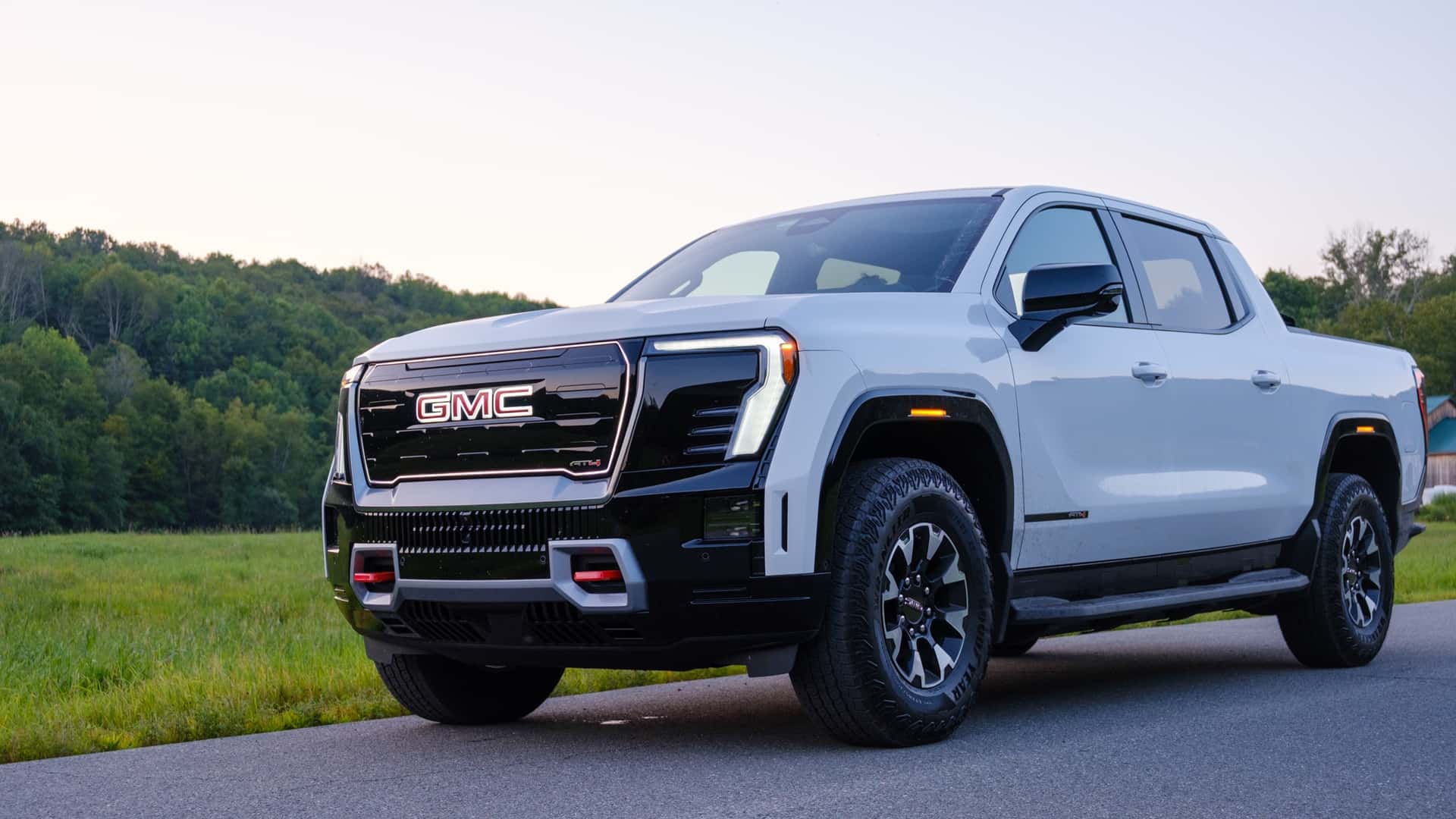
General Motors' abrupt decision to cancel its next-generation electric truck lineup has sent shockwaves through the automotive industry. The move comes just weeks after the company confirmed the postponement of the Chevrolet Silverado EV, GMC Hummer EV, and Cadillac Escalade IQ models. This strategic pivot away from fully electric vehicles marks a significant shift in GM's approach to electrification, particularly in the heavy-duty truck segment.
The cancellation follows a major reorganization at GM's Detroit-based Factory Zero plant, where most of the company's electric vehicle production has been consolidated since 2025. Industry analysts suggest this decision stems from a broader recalibration of priorities, with GM shifting focus back toward hybrid and conventional gasoline engines for immediate market demands. Unlike competitors like Tesla or Ford, which have aggressively scaled their EV offerings, GM's sudden reversal highlights the challenges of transitioning large-scale manufacturers to a fully electric fleet.
At the heart of this decision lies the complex interplay between production capacity, consumer demand, and regulatory pressures. Factory Zero, once hailed as GM's 'beacon of innovation' for EV production, has faced operational challenges since its 2024 opening. With over 80% of GM's EV manufacturing now centralized there, the plant has struggled to meet the ambitious timelines set for the next-gen trucks. The cancellation isn't just about cost—it's a direct response to the gap between EV production readiness and the industry's evolving expectations.
Is GM's Pivot Back to Gasoline a Strategic Mistake?
Industry observers are divided on the implications of GM's shift. Some argue that the decision reflects a pragmatic adjustment to the current market, given the slow adoption rates of EVs in the commercial truck sector. Heavy-duty trucks like the Silverado EV have historically been less popular in electric form due to their high energy consumption and limited range. Others, however, warn that this move could undermine GM's long-term commitment to sustainability, especially as global emissions targets intensify.
- Production bottlenecks at Factory Zero have delayed the completion of the Silverado EV's battery pack integration
- The reliance on gas engines in the current Silverado lineup has created a critical mass of existing fleet operators
- Competition from Chinese EV manufacturers, who have already launched high-capacity electric trucks, has intensified pressure on Western automakers
What's clear is that GM's decision reflects a deeper tension between rapid innovation and the realities of manufacturing scalability. While the company has invested heavily in EV infrastructure, its current focus on hybrid and gas models aligns with the reality that many commercial truck buyers prioritize reliability and lower upfront costs over the latest tech.
The cancellation also underscores the financial risks of overcommitting to a single production model. With the Silverado EV's production costs projected to be 30% higher than its gas counterpart, GM's shift back to gas engines for the next-generation trucks is a calculated risk to stabilize near-term revenue streams.
Looking ahead, this move could have ripple effects across the entire industry. As other manufacturers like Ford and Volkswagen continue to push their EV timelines, GM's retreat from fully electric trucks may signal a temporary setback in the broader transition to sustainable mobility. Yet, with the global push for decarbonization gaining momentum, it's unclear if this pivot will last.



