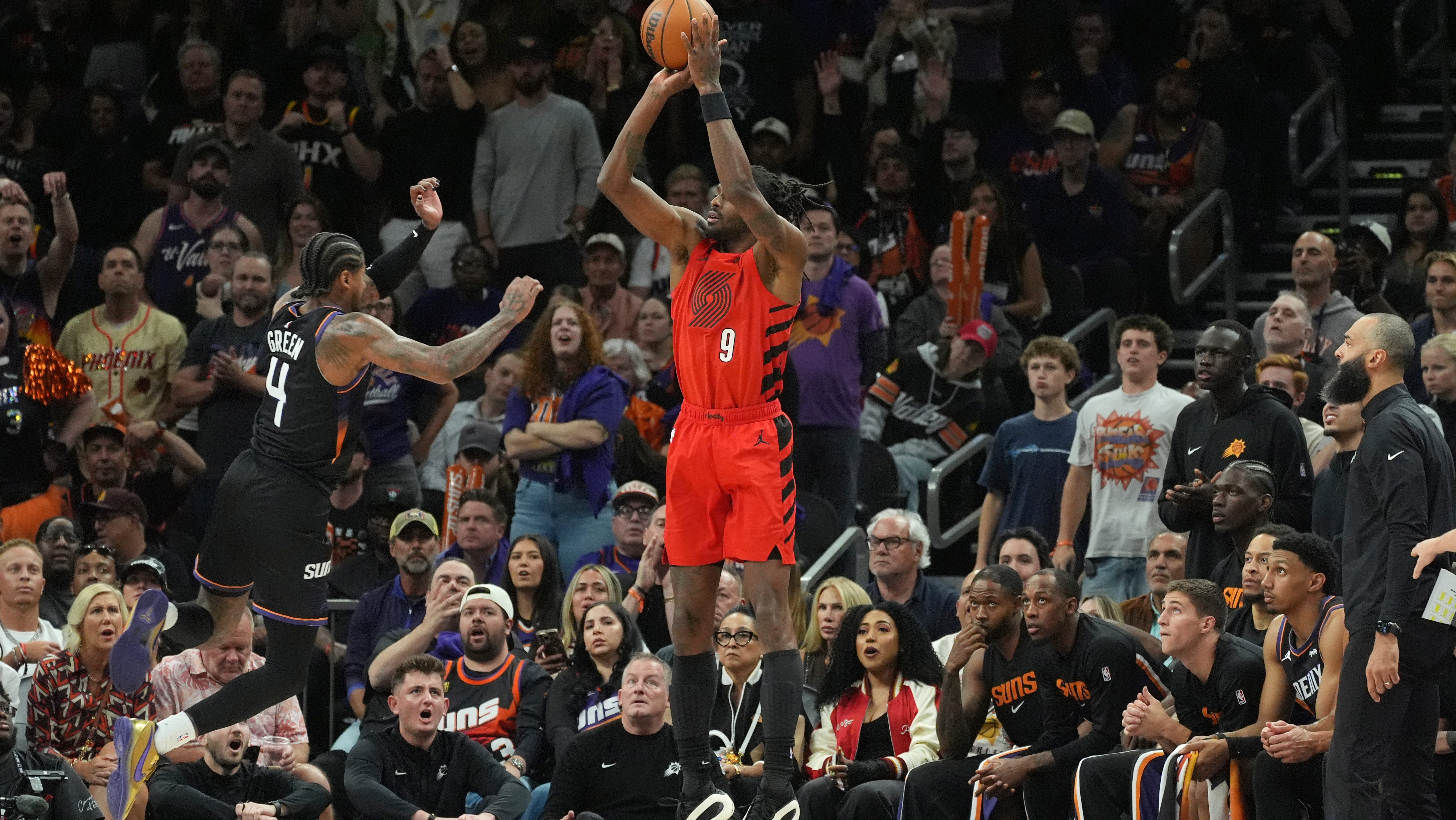
Jerami Grant’s return to the NBA playoffs represents a pivotal moment for the Portland Trail Blazers and a personal milestone for the 29-year-old forward. After a nearly three-year absence from postseason action, Grant has been named a key contributor to Portland’s first playoff appearance since 2021. His journey back to the big stage isn’t just about physical readiness—it’s a strategic recalibration of his career trajectory.
Grant’s last meaningful playoff appearance came during the 2019–20 NBA ‘bubble’ season, a period marked by unprecedented isolation and adaptation. Since then, his role with the Blazers has evolved from a defensive specialist to a versatile playmaker capable of impacting both offense and defense. This transition is critical as Portland navigates its first playoff run since 2021, a timeline that underscores the team’s historical challenges in advancing beyond the first round.
Can Grant’s Experience Bridge the Gap?
Grant has openly admitted to struggling with his playoff readiness, acknowledging the mental and physical toll of returning after a long hiatus. This admission highlights the complexity of post-bubble adjustments—a challenge that many players face after the unique conditions of the 2020–21 season. The Blazers’ playoff push now hinges on Grant’s ability to adapt to the high-stakes environment of the postseason, a shift that requires more than just physical conditioning.
- Grant’s experience in the 2019–20 bubble
- His role in Portland’s 2021 postseason return
- Adjusting to the intensity of modern NBA play
Grant’s strategic focus on consistency and mental resilience aligns with the team’s broader objectives. As the Blazers prepare for their Game 1 against the No. 2-seeded San Antonio Spurs, the pressure is on to deliver results beyond just individual performance. His insights into the psychological demands of playoff basketball could prove invaluable in navigating this critical phase.
The broader context of the NBA’s evolving landscape adds another layer to Grant’s story. With the league emphasizing adaptive strategies and mental health awareness, Grant’s journey reflects a growing understanding of how physical and mental readiness intersect in high-stakes competition.
Portland’s playoff hopes are tied to Grant’s ability to leverage his experience without falling into the trap of over-reliance on past success. The team’s history of early postseason exits provides a backdrop for understanding why Grant’s return matters—it’s not just about winning games but about building a sustainable path forward.