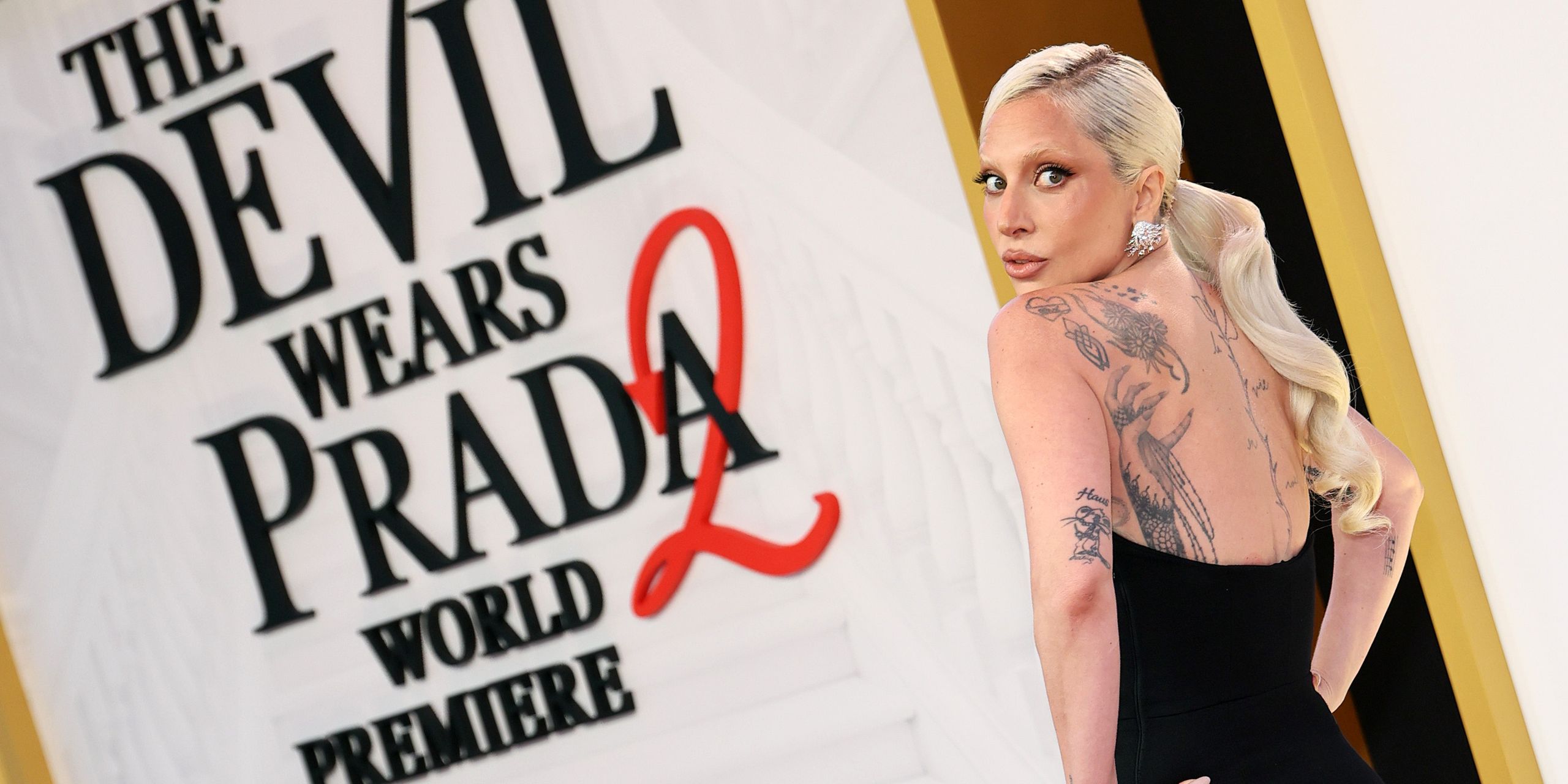
Lady Gaga has consistently pushed creative boundaries, and her latest collaboration with the film The Devil Wears Prada 2 showcases a new dimension of her artistic identity. Beyond the iconic "Applause" and "Bad Romance", this project reveals a strategic blend of high fashion and sonic innovation that resonates with modern audiences. The release of two additional tracks—"Shape of a Woman" and "Glamorous Life"—alongside the "Runway" collaboration with Doechii, signals a deliberate evolution in how music intersects with visual storytelling.
Is Lady Gaga Reinventing Pop Music Through Film Soundtracks?
When The Devil Wears Prada 2 emerged, it wasn't just a film—it was a cultural phenomenon that challenged the conventions of fashion and music. Lady Gaga's involvement in its soundtrack marked a pivotal moment where music became an integral part of the narrative. By composing original tracks for the film, she embedded herself in the story’s aesthetic, turning every note into a visual metaphor. "Shape of a Woman" embodies the duality of modern femininity—its lyrics explore identity, power, and the relentless pursuit of self-expression. "Glamorous Life" further amplifies this theme, reflecting the tension between the curated image and the authentic self.
The collaboration with Doechii on "Runway" highlights her commitment to merging fashion and music. This isn't a one-off experiment; it's a calculated move to align with the film’s emphasis on high-stakes fashion. The video for "Runway" showcases a meticulously designed runway sequence, blending avant-garde fashion with rhythmic, dance-driven choreography. This attention to detail demonstrates how Lady Gaga’s work transcends traditional music releases—it becomes a narrative device that elevates the entire cinematic experience.
- "Shape of a Woman" explores the complexities of female identity in a male-dominated industry
- "Glamorous Life" critiques the performative nature of modern celebrity culture
- The "Runway" video redefines what a music video can be—fashion, dance, and storytelling in harmony
Unlike typical soundtracks, which often serve as background to the film, Lady Gaga’s contributions are designed to be experienced as standalone artistic statements. The release of these tracks reflects her mastery in creating content that speaks to multiple audiences: film enthusiasts, fashion aficionados, and music critics alike. This strategic integration of music into the film’s narrative demonstrates a level of artistic control that few artists have achieved.
What makes this project stand out is its depth. While many artists contribute to film soundtracks, few do so with such precision and intentionality. Lady Gaga’s work here isn't just about adding songs—it's about shaping the conversation around gender, fashion, and identity. Her ability to embed these themes into the music without being overtly didactic is a testament to her growth as an artist.
The implications of this project extend beyond the film. It sets a precedent for future collaborations between musicians and filmmakers, proving that music can be a narrative tool that enhances storytelling. As the music industry continues to evolve, this project serves as a blueprint for artists who want to integrate their work with visual media in a meaningful way.