Powell’s Stock Market Warning: Traders Must Prepare for Wild Volatility

Editor 04 May, 2026 ... min lectura

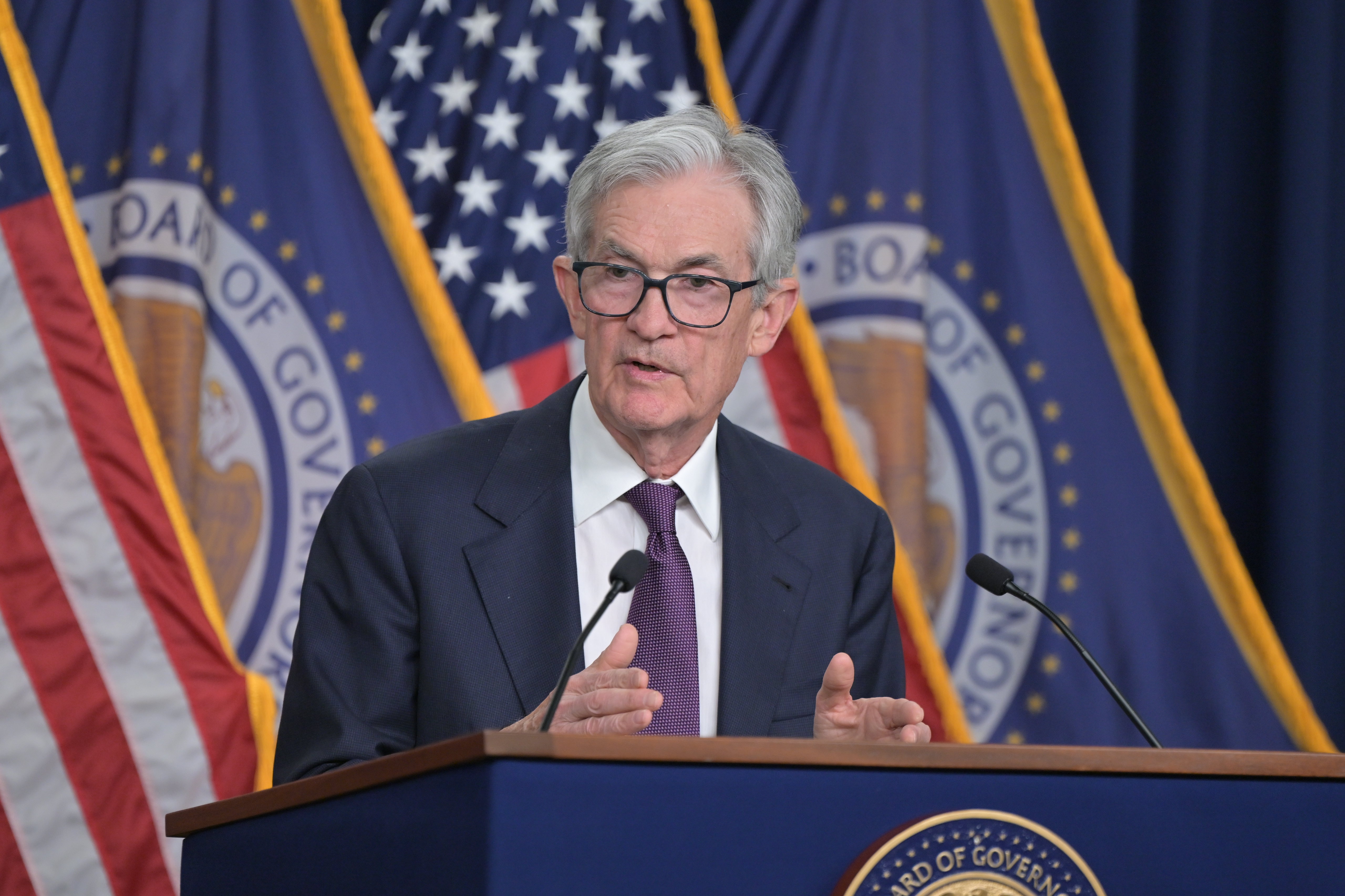
Federal Reserve Chair Jerome Powell’s recent warning about market volatility has sent shockwaves through global investors. In a candid address to markets, Powell highlighted the stark unpredictability of the current economic landscape, particularly driven by geopolitical tensions and shifting monetary policy expectations. With the U.S. economy showing signs of fragility, investors are scrambling to adapt to a new reality where traditional models of stock market stability no longer apply.

At the heart of Powell’s message is a clear acknowledgment of the Iran conflict’s impact on global supply chains and financial flows. The conflict has intensified supply chain disruptions, increased inflationary pressures, and forced central banks to rethink their approach to interest rate management. This isn’t just a short-term hiccup—it’s a structural shift that demands immediate attention from traders and policymakers alike.

Why Is Powell’s Warning So Significant?

Unlike previous market warnings, Powell’s comments directly tie economic instability to real-world events beyond the Fed’s control. The Iran conflict has created a ripple effect across multiple sectors, from energy to manufacturing. JPMorgan Chase strategists, for instance, have forecasted that the Fed is nearing the end of rate cuts and could soon pivot to rate hikes—a move that would exacerbate existing market uncertainties.

  • The Iran conflict has disrupted oil prices and global trade routes, increasing costs for industries reliant on imported materials.
  • Central banks are now balancing between inflation control and financial stability, with some regions facing double-digit inflation.
  • Investors are shifting toward defensive assets like gold and government bonds as a hedge against volatility.

These factors have created a perfect storm for stock markets, where even minor policy shifts can trigger massive swings in asset values. Powell’s warning isn’t just about the future—it’s a call to action for traders to reassess their risk management strategies.

Historically, market volatility has been linked to geopolitical crises, but this time, the scale is unprecedented. The last time a major conflict like this impacted global markets was during the 2014–2015 European debt crisis, which saw stock prices drop over 15% within a month. Today’s situation, however, is more complex due to the interconnectedness of modern economies and digital trading platforms.

For traders, the message from Powell is clear: prepare for extreme volatility. This means diversifying portfolios, monitoring geopolitical developments closely, and having contingency plans for rapid market shifts. The key is not just to react to the crisis but to anticipate it.