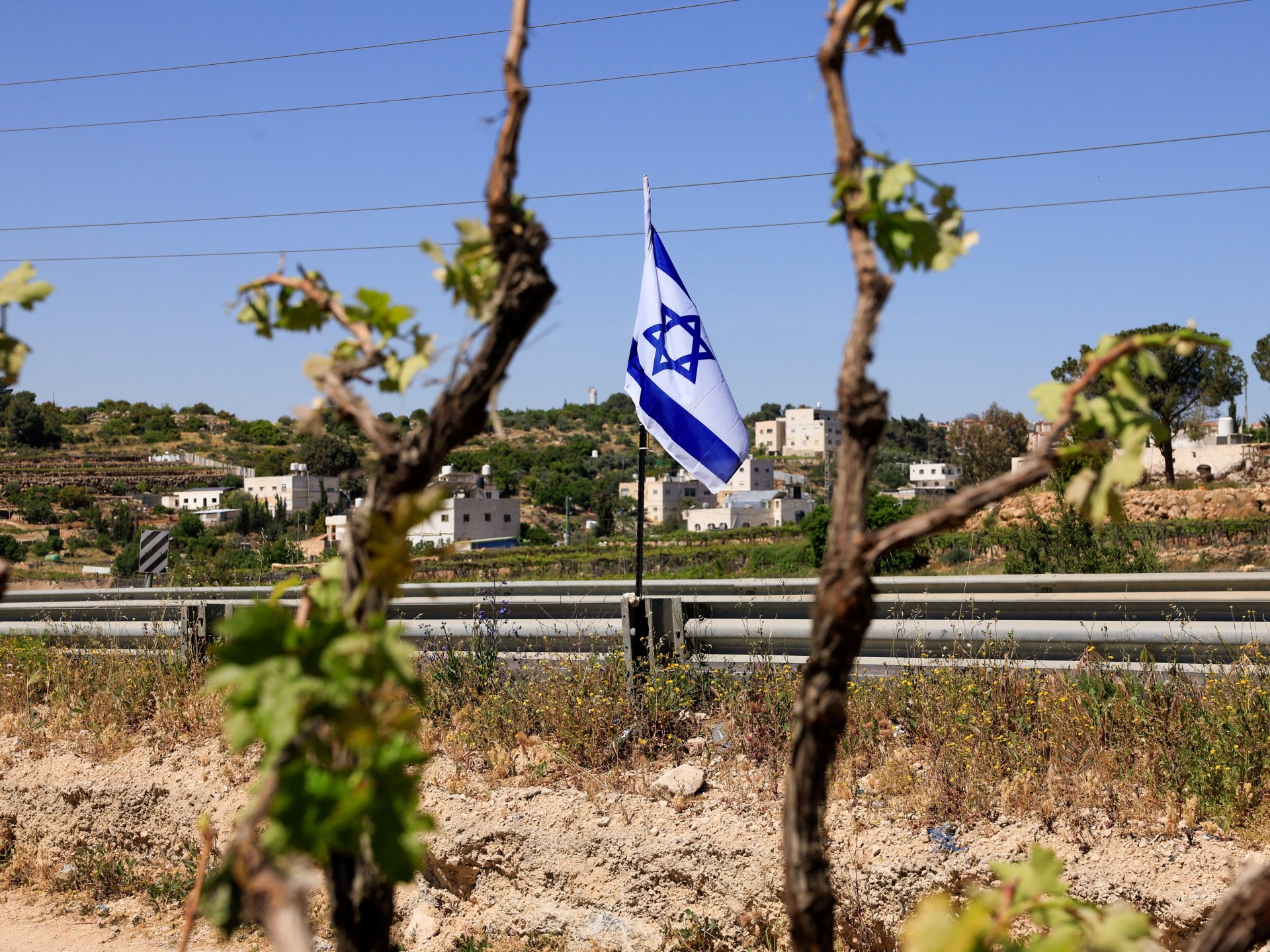
Recent reports have exposed a disturbing pattern of actions by Israeli settlers in the West Bank, where Palestinian families are being forced to exhume and re-bury the remains of their deceased loved ones. This practice, often linked to the construction of Israeli settlements, has become a recurring issue with severe humanitarian consequences.
The case of the Palestinian family in the West Bank, detailed by Al Jazeera and Reuters, highlights a chilling example of how settlers' actions undermine the dignity of Palestinians. In May 2026, a family was forced to exhume the body of their father, who had been buried near an Israeli settlement. The family, described by Al Jazeera as 'displaced and vulnerable,' recounted the trauma of having to participate in the reburial process. This incident, which has been documented by multiple international media outlets, underscores a systemic pattern of violence against Palestinians.
Under international law, the right to a dignified burial is a fundamental human right. However, in many areas of the West Bank, Israeli settlers have been given the authority to manipulate burial grounds, often in violation of local and international norms. This practice has been criticized by the United Nations and human rights organizations worldwide, including the UN Human Rights Council. The United Nations has repeatedly condemned such actions as a form of cultural and religious persecution, with the UN High Commissioner for Human Rights emphasizing that the right to a dignified burial is non-negotiable.
Historically, the issue of burial rights has been central to the Israeli-Palestinian conflict. Since the establishment of Israel in 1948, the conflict over land and resources has led to many disputes, including the right to bury and bury remains. The United Nations has consistently recognized that the right to a dignified burial is a fundamental human right, as protected by the Convention on the Protection of Human Rights and Fundamental Freedoms. However, in practice, this right has been systematically undermined by Israeli authorities and settlers.
The impact of this practice on Palestinian families is profound and long-lasting. Families are forced to confront the trauma of having to re-bury their deceased relatives, often under conditions that are unsafe and disrespectful. In some cases, the bodies are even dismembered or left in unmarked graves, which can lead to further psychological distress and loss of identity.
How does this practice affect Palestinian families today?
According to the latest reports from the United Nations, this practice has had a devastating impact on Palestinian families across the West Bank. Families are often required to participate in the re-burial process, which can include exhuming the body, re-burying it, and even relocating the body to a different location. This process can take weeks or even months, and it often involves significant emotional and physical strain.
- Psychological trauma: Families experience severe stress and anxiety due to the forced re-burial process.
- Violation of cultural and religious practices: The re-burial process often conflicts with traditional Palestinian burial customs, leading to a loss of cultural identity.
- Economic hardship: Families are often forced to spend significant resources on the re-burial process, which can be a financial burden.
The United Nations has called for immediate action to address this issue, emphasizing that the right to a dignified burial is a fundamental human right that must be protected. The UN Human Rights Council has repeatedly highlighted the need for international cooperation to ensure that all individuals, including Palestinians, have access to a dignified burial process.