As the political landscape shifts, Tucker Carlson’s evolving perspective on war has emerged as a critical point of discussion. Once a staunch Trump supporter, Carlson has recently taken a stance that challenges conventional expectations of conservative antiwar sentiment. This shift is particularly notable given his long-standing role as a prominent media figure and political commentator.
Carlson’s recent comments on President Trump’s Iran policy, which he described as 'the single most foolish thing any American president has ever done,' reveal a nuanced understanding of geopolitical consequences. This statement, made in a recent New York Times interview, suggests a deep engagement with the complexities of international conflict and its implications for national security.
Can a Former Trump Ally Challenge the War Narrative?
Carlson’s position on the Iran conflict is not a sudden reversal but a reflection of his broader analytical approach to military engagement. Unlike many political figures who frame war as a necessary response to perceived threats, Carlson emphasizes the risks of prolonged conflict and unintended consequences.
- Historical context: The Iran conflict has been a recurring theme in U.S. foreign policy since the 1980s, with significant impacts on regional stability and global alliances.
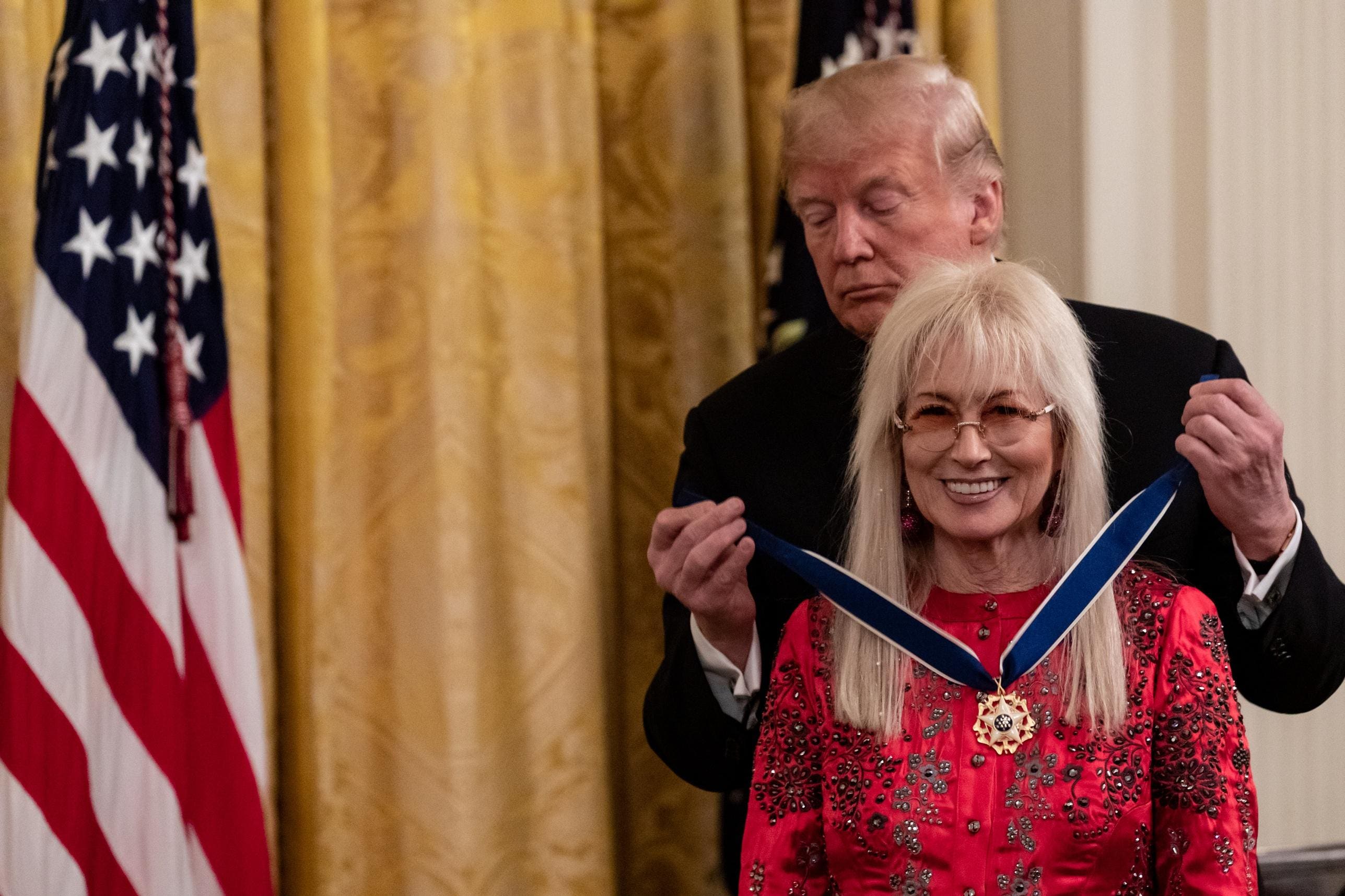
- Political strategy: Carlson’s focus on the role of financial elites in shaping U.S. foreign policy highlights a critical dimension of power dynamics, including the influence of billionaires like Rupert Murdoch and Miriam Adelson.
- Public perception: His critique of Trump’s Iran policy underscores the importance of transparency and accountability in high-stakes decision-making.
Carlson’s unique perspective is rooted in his experience as a former government official and his deep understanding of international relations. This background allows him to offer insights that are often overlooked in mainstream political discourse.
Contrary to popular belief, Carlson’s antiwar stance is not rooted in a lack of patriotism but in a commitment to strategic, evidence-based decision-making. His critique of the Iran conflict reflects a broader concern about the consequences of military action on global stability and domestic morale.
One of the most intriguing aspects of Carlson’s position is his claim that billionaires like Rupert Murdoch and Miriam Adelson influenced Trump’s decision to engage with Iran. This assertion, detailed in a recent Forbes report, adds a layer of complexity to the narrative of U.S. foreign policy.
Carlson’s analysis suggests that the influence of financial elites on national security decisions is a critical issue that deserves attention. By highlighting the role of these individuals, he brings to light a previously underdiscussed dimension of political decision-making.