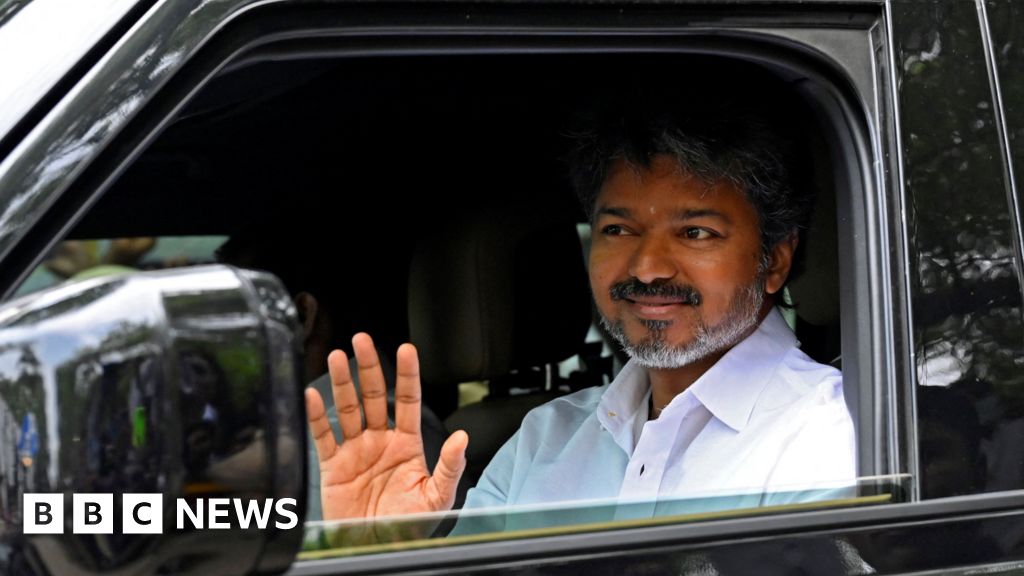
India's film industry has long been a powerful political force, with celebrities transitioning into politics not as a novelty but as a strategic necessity. The recent electoral outcomes in Tamil Nadu, particularly the surprising entry of film star Vijay into governance, have redefined the state's political dynamics. This shift is not merely a personal milestone for Vijay but a reflection of broader socio-economic shifts and evolving voter priorities.
The emergence of Vijay as a political figure is deeply rooted in the complex interplay between Tamil Nadu's cultural identity and its economic realities. As the state's largest film industry hub—known globally for its tech-savvy urban centers and a thriving film sector—Tamil Nadu has seen unprecedented political engagement from its cinematic elite. Vijay's victory, while initially celebrated as historic, has revealed critical challenges in achieving stable governance, especially given the state's economic diversity and population size.
Can a Film Star Lead a State?
One of the most pressing questions in this political transformation is whether a film star's charisma and audience connection can translate into effective state leadership. Vijay’s campaign emphasized grassroots outreach and economic development, focusing on manufacturing and technology sectors that are crucial for Tamil Nadu's growth. This approach has resonated with urban voters, yet it has raised concerns about policy expertise and long-term governance.
- Understanding the impact of celebrity influence on policy decisions
- Assessing the role of film industries in shaping political agendas
- Evaluating whether a non-traditional political figure can deliver
The political landscape in Tamil Nadu is further complicated by the presence of traditional parties like the Dravida Munnetra Kazhagam (DMK), which has historically held significant influence in the state. The recent results indicate that while Vijay's coalition has secured the most seats, it still falls short of a majority, creating a fragile political environment. This lack of majority necessitates coalition negotiations, which could lead to policy delays and instability.
Moreover, Tamil Nadu's economic profile is characterized by a mix of high-tech manufacturing and a large informal sector, which complicates the implementation of policies aimed at sustainable growth. Vijay's focus on digital infrastructure and innovation has gained traction, but there remains a gap between political rhetoric and tangible outcomes in addressing systemic issues like rural unemployment and urban infrastructure.
The implications of this shift extend beyond Tamil Nadu. As India's most populous state and a key hub for technology and manufacturing, Tamil Nadu's political evolution has national implications. The successful governance of a film star in a state with such economic diversity could set a precedent for other states to follow, highlighting the need for innovative approaches to governance.