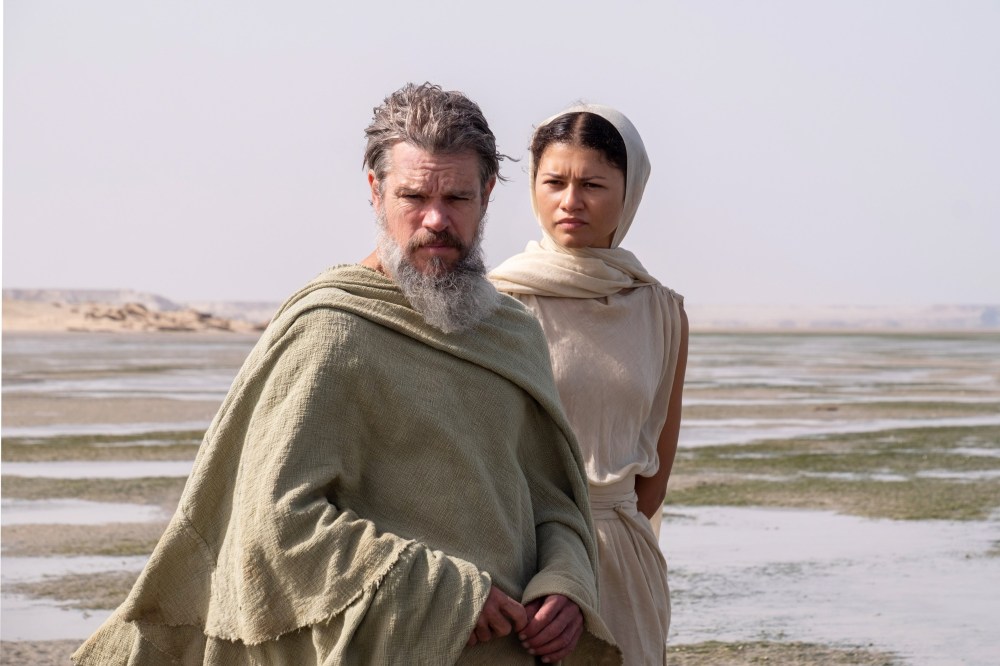
Christopher Nolan’s adaptation of Homer’s The Odyssey isn’t just a film—it’s a cinematic journey that reinvigorates an ancient literary masterpiece for contemporary audiences. With Matt Damon portraying the enigmatic Odysseus, the project challenges traditional interpretations of the epic poem, offering a fresh perspective on the timeless struggle between desire and duty.
Can a Modern Film Capture the Soul of an Ancient Epic?
Unlike typical Hollywood blockbusters, The Odyssey doesn’t rely on flashy action sequences but instead focuses on character depth and thematic resonance. The film’s director, working closely with Emily Wilson’s acclaimed translation of Homer’s original work, has crafted a narrative that emphasizes emotional complexity over spectacle. This approach aligns with contemporary audiences’ growing demand for meaningful storytelling in cinema.
One key factor in the film’s success is its meticulous attention to historical context. By grounding the story in the original Greek mythos, the adaptation avoids the pitfalls of modern reinterpretation that often dilute the original text’s philosophical weight. For instance, the film’s portrayal of Odysseus’ journey home after the Trojan War reflects the ancient Greek concept of nostos—a return to one’s homeland and family—while emphasizing the psychological toll of his trials.
Why This Matters for Film Historians and Modern Audiences
- Thematic depth: The film explores themes like loyalty, identity, and the human condition through nuanced character arcs, avoiding the clichés of typical adventure films.
- Cultural authenticity: By collaborating with historians and linguists, the production ensures that the adaptation remains true to the original text’s philosophical underpinnings.
- Global relevance: The story’s universal themes of displacement and homecoming resonate with today’s globalized world, where many feel disconnected from their roots.
The film’s success also highlights the evolving role of cinema in preserving and reinterpreting classical literature. While traditional adaptations often focus on visual flair, this project demonstrates how a well-crafted narrative can bridge ancient and modern contexts without losing its original spirit.
As the film gains traction, critics and audiences alike are beginning to recognize its potential to spark broader conversations about the relationship between ancient texts and modern storytelling. The Odyssey isn’t just a movie—it’s a conversation about how we interpret the past in the present.