Nolan Wells, an 18-year-old Mississippi teenager, disappeared on the Fourth of July weekend after a boating trip near the Gulf Coast. His body was discovered two days later on Horn Island, but the circumstances surrounding his death continue to raise significant questions. This case highlights the complex interplay between natural phenomena, digital evidence, and law enforcement challenges in modern missing persons investigations.
The discovery of Nolan Wells' body on Horn Island has triggered a cascade of investigative actions, including a mutual inspection of his cellphone by authorities and independent experts. His attorney revealed that concerns about deleted content on the device have led to this step, suggesting potential digital evidence could hold critical clues to his disappearance. While the Cajun Navy, a group known for search and rescue operations in the Gulf, has been involved in the search efforts, their statement that 'the wind and drift patterns tell a story' underscores the role of environmental factors in such incidents.
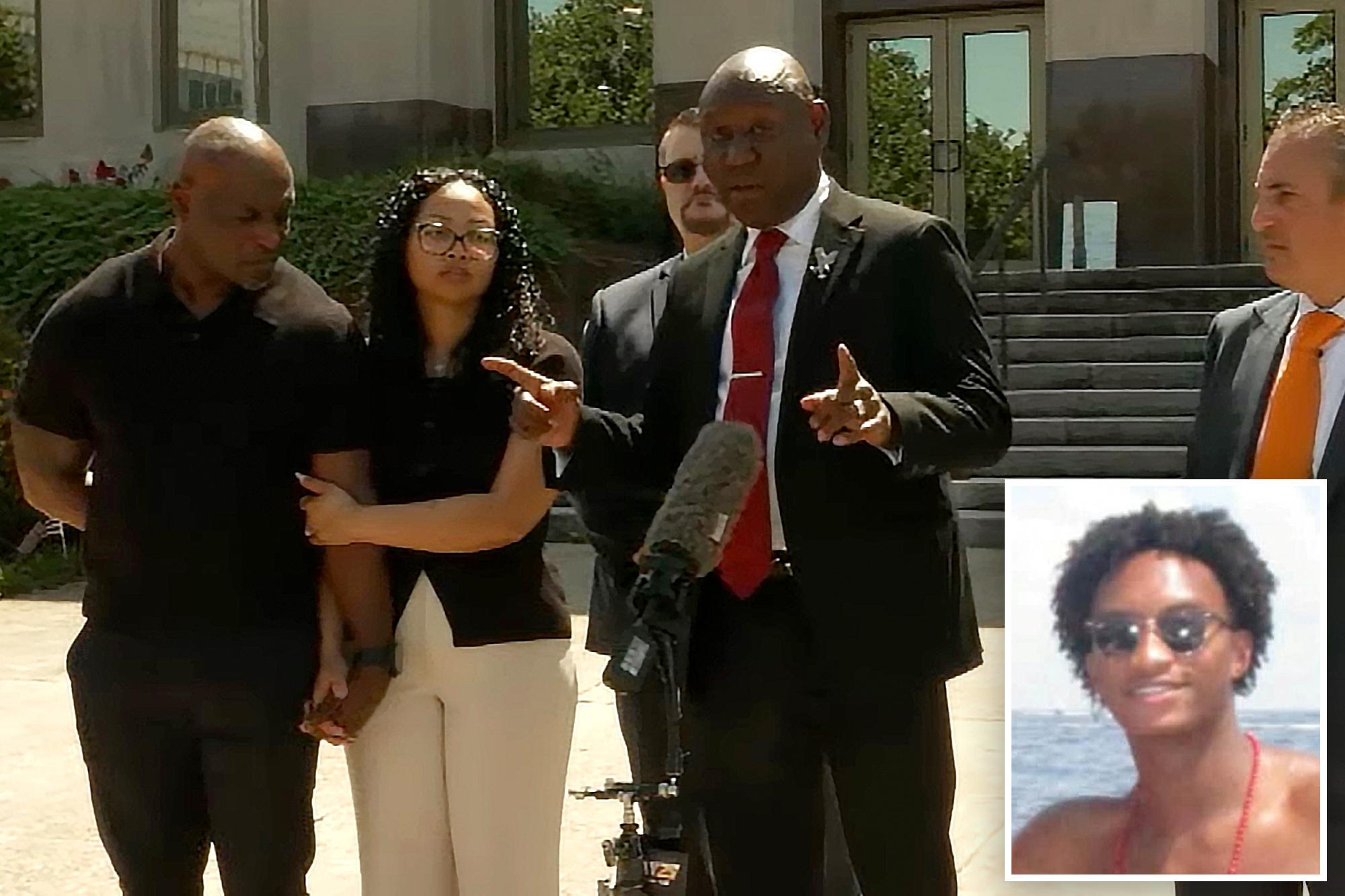
Local law enforcement has taken steps to address the case, with the district attorney scheduled to meet with Nolan Wells' parents to discuss the investigation's progress. Sheriff Ledbetter, who has been vocal about the case, emphasized the importance of understanding the timeline and conditions around the time of the incident. This meeting marks the first time since the body was recovered that his parents have been brought into the loop, indicating a shift in the investigation’s focus toward familial perspectives and emotional impact.
Did the Gulf Winds and Drift Patterns Play a Role?
As the investigation unfolds, the role of environmental factors has become a focal point. The Cajun Navy official's comment that 'the wind and drift patterns tell a story' has been interpreted by some as a reference to how weather conditions may have influenced the trajectory of the missing teen's vessel. This perspective has led to a reevaluation of the initial search and rescue efforts, highlighting the challenges of relying solely on traditional methods in open water environments.
- The wind and drift patterns, combined with the Gulf's complex currents, can significantly affect the movement of vessels and debris.
- Authorities are using this data to refine their search patterns and potentially identify new areas where the body might have been located.
- The Cajun Navy's expertise in navigating these conditions has been crucial in understanding the environmental context of the incident.
Despite the progress made, the case has revealed gaps in the investigation process. The digital aspect of the case has introduced a new layer of complexity, with the mutual inspection of the cellphone potentially uncovering critical evidence that was previously inaccessible due to the deletion of content. This situation raises questions about the effectiveness of digital forensics in modern investigations and the potential for technology to both aid and hinder the process.
Legal and investigative procedures are evolving to address these challenges, with the district attorney's meeting with the family being a step toward transparency and collaboration. However, the emotional toll on the family remains a critical consideration, as they navigate a situation that has left them without answers.