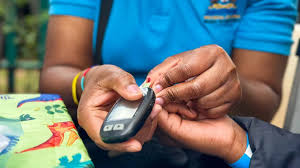
World Diabetes Day, observed annually, serves as a crucial reminder of the growing threat of diabetes, not just globally, but right here in South Africa. This year's focus highlights the challenges faced by workers living with diabetes, including stigma and discrimination in the workplace. However, the message goes beyond the workplace; it's a call to action for all South Africans.
Diabetes: Not Just an 'Old Person's Disease' Anymore
Medical experts are sounding the alarm: diabetes is increasingly affecting younger people. Dr. Vinesh Padayachy emphasizes that it's no longer a disease of old age, seeing patients in their 30s and 40s with serious complications. This underscores the urgent need for early detection and management.
The Gauteng Health Department recently led an event in Soweto, mobilizing communities to adopt healthier lifestyles. This initiative highlights the importance of bringing screening and health services directly to the community.
The Silent Damage
Diabetes silently damages blood vessels over time, leading to severe complications like kidney failure, heart disease, blindness, and amputations. Many South Africans are unaware they have the condition, putting them at risk.
"Diabetes isn’t just about sugar – it’s about systems," explains Tania Joffe, founder of Unu Health. "It’s about access to screening, education, healthy food, and the ability to manage your health in a sustainable way."
SA's Diabetes Crisis: A Wake-Up Call
South Africa has some of the highest diabetes statistics in the world. Statistics from the International Diabetes Federation (IDF) reveal that over 2.3 million South African adults are living with diabetes, constituting about 7% of the adult population. This is a national health emergency.
- Early Screening: Vital for identifying at-risk individuals.
- Lifestyle Adjustments: Can significantly impact the disease's trajectory.
- Awareness Campaigns: Crucial for educating the public.
Let's take action now to improve early detection, promote healthier lifestyles, and ensure access to quality care for all South Africans. Don't ignore the symptoms – your health depends on it!