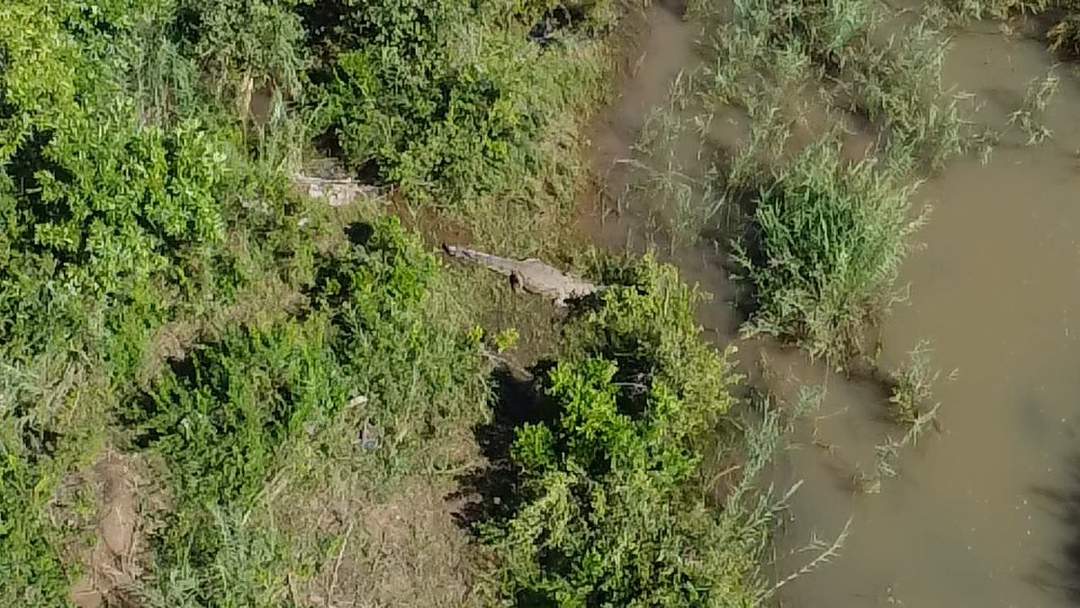
In the remote waters of the Komati River, a chilling discovery has sent ripples through South African communities. Police have confirmed that human remains were recovered inside a crocodile, sparking urgent inquiries about the fate of a missing 59-year-old Gauteng businessman. The find, reported by South African Police Service (SAPS) in Mpumalanga, has raised critical questions about the river's role in human disappearances and the challenges of investigating such cases.
Did the Crocodile Save Him?
The Komati River, flowing through Mpumalanga, is known for its treacherous currents and dense vegetation. Local residents have long warned about the river's danger, but this incident marks one of the few confirmed cases where human remains were found inside a live crocodile. Authorities are racing against time to determine if the remains belong to the missing businessman, Brandon Nel, whose disappearance has left families and investigators desperate.
Under South African law, the discovery of human remains in wildlife is a critical forensic case. The pathologist tasked with the examination must cross-reference the remains with DNA, dental records, and other evidence from the missing person's last known location. This case highlights the unique challenges of riverine investigations where natural habitats and human activity intersect.
Why This Case Stands Out
- The Komati River has historically been a hotspot for unexplained disappearances, with its murky waters and strong currents making evidence recovery difficult.
- Previous cases in the region have often involved water-based threats, from drowning to animal encounters, but this is the first time human remains were found inside a living crocodile.
- Police in Mpumalanga have strict protocols for handling such discoveries, requiring immediate notification of the National Department of Public Health and the National Forensic Laboratory.
Experts emphasize that while crocodile encounters are not uncommon in South Africa, the discovery of intact human remains inside a live animal is rare and suggests a specific sequence of events: the businessman was likely swept away by the river's currents, then the crocodile consumed him before the remains were sealed inside its digestive system.
The case has also brought attention to the broader issue of river safety in South Africa. The Komati River, part of the larger Limpopo River system, is prone to seasonal flooding that can trap individuals in its waters. Local communities often rely on these rivers for water and fishing, creating a complex relationship between humans and the environment.
As the pathologist works to confirm the identity of the remains, the incident underscores the need for better coordination between wildlife authorities, river safety networks, and emergency response teams. Without prompt action, the risk of misidentification or delayed recovery could jeopardize the investigation.