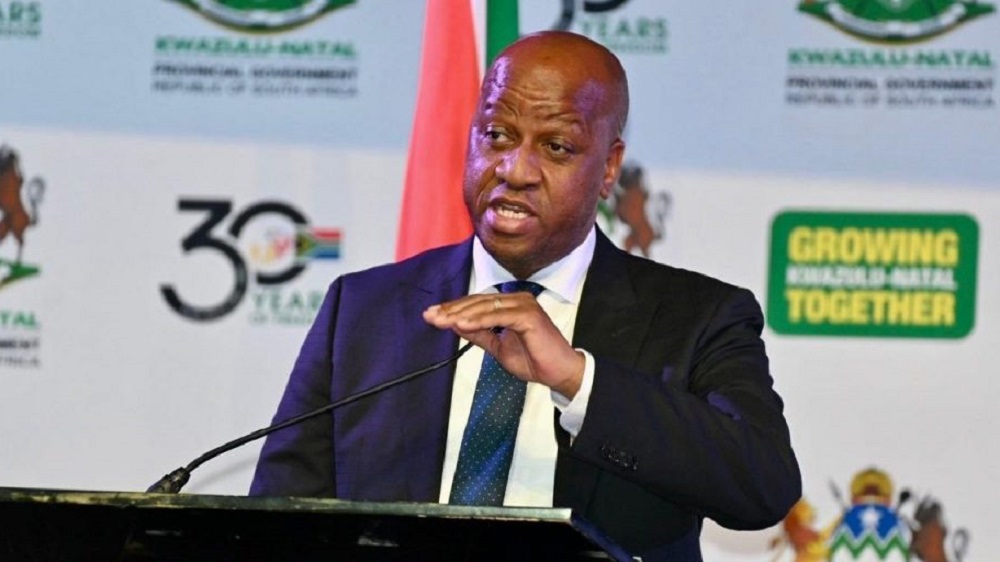
South Africa's KwaZulu-Natal (KZN) Premier Thami Ntuli is at the center of a critical debate over immigration policy and public safety, as tensions escalate between government efforts to manage undocumented migration and communities facing xenophobic violence.
How a Premier's Response Could Shape National Policy
On May 8, 2026, Premier Ntuli addressed a growing crisis in KZN, where illegal immigration has sparked protests and xenophobic incidents. He emphasized that South Africa’s historical context must guide current actions, stating, 'We recognize that migration itself is not a crime.' This statement reflects a nuanced understanding of the country’s complex relationship with migration, which has long been shaped by colonial legacies and post-apartheid policies.
Ntuli’s recent announcement of a technical task team to address immigration challenges marks a strategic shift from reactive to proactive governance. The team will focus on data-driven solutions, including identifying smuggling routes, improving border security, and protecting vulnerable populations. This move comes amid rising xenophobic attacks, which have targeted foreign nationals in KZN and other provinces.
Why This Matters Now: Lessons from Historical Precedents
The crisis in KZN is not isolated. Since the 1990s, South Africa has grappled with balancing security and human rights in migration policy. The 1996 Constitution established a framework for managing migration, but implementation has been inconsistent. Ntuli’s approach draws from these lessons, recognizing that xenophobia often stems from misinformation and fear rather than actual threats.
For instance, in 2022, the government introduced a national strategy to combat xenophobia, but local governments like KZN have struggled to enforce it due to limited resources and political fragmentation. Ntuli’s task team aims to address these gaps by working with international bodies like the UNHCR and local NGOs to create tailored solutions.
- Mapping smuggling routes using satellite imagery and community intelligence
- Training police and community leaders to identify and report xenophobic incidents
- Establishing safe pathways for vulnerable migrants through partnerships with the UNHCR
Ntuli’s call for 'calm' and 'restraint' during protests highlights the urgency of addressing root causes, not just symptoms. By focusing on data and collaboration, he seeks to prevent further escalation while upholding constitutional protections for all citizens.
The next phase of this policy will determine whether KZN can model a more inclusive approach to migration that respects human rights and maintains public order. As the province faces its most significant immigration challenge since the early 2000s, Ntuli’s leadership will be crucial in shaping a sustainable solution.