ICE Detention Crisis: Life-Threatening Denial of Medical Care in US Border Facilities

Editor 16 Apr, 2026 ... min lectura

Amid a growing humanitarian crisis, reports of critical medical neglect in U.S. immigration detention facilities have intensified, with recent incidents highlighting systemic failures in emergency care access for detained individuals. Recent cases, including a mother of five taken to an emergency room in Texas while under ICE custody, underscore an urgent and alarming pattern of healthcare denial for those held in federal immigration detention centers.

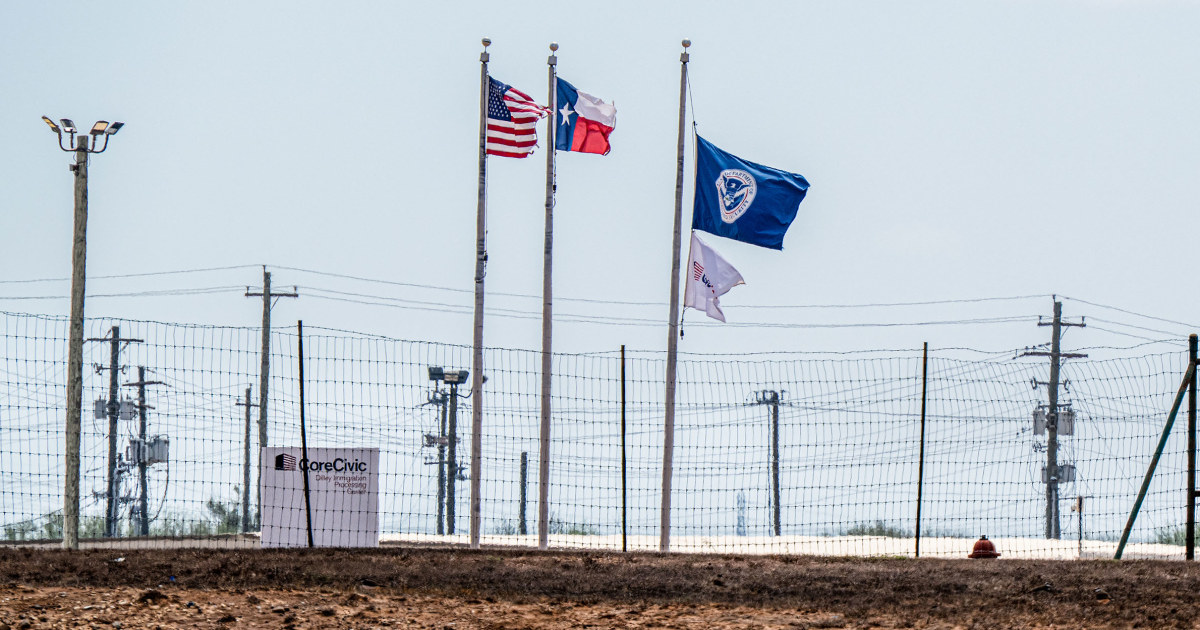
On March 1, 2026, a mother of five in Texas was admitted to an emergency room after being detained at the Dilley Immigration Processing Center, sparking nationwide outrage and urgent calls for her immediate release. Her case exemplifies the dangerous reality faced by thousands of individuals held in U.S. immigration facilities, where access to life-saving medical care is often blocked by bureaucratic hurdles and insufficient resources. This incident is not isolated; it reflects a broader pattern of healthcare denial that has been documented for years in U.S. immigration detention systems.

How does denial of medical care in immigration detention work?

Under the current U.S. immigration system, individuals detained by ICE (U.S. Immigration and Customs Enforcement) are typically required to seek medical care through a designated facility. However, this process often becomes a point of contention when urgent health needs arise. In many cases, the medical staff at these facilities operate under strict protocols that prioritize administrative tasks over patient safety, leading to delayed or denied care for critical conditions.

  • Detainees must often obtain approval from immigration officials before receiving medical treatment
  • Many facilities lack sufficient medical staff and equipment, especially in rural areas like Dilley, Texas
  • Procedural barriers, such as lengthy authorization processes, can delay critical interventions

These systemic challenges are exacerbated by the fact that many detention centers operate in under-resourced areas and often lack the capacity to handle medical emergencies. The recent incident involving the mother of five has drawn attention to the urgent need for policy reforms that prioritize timely and effective medical care for those in detention.

Legal advocates and medical professionals have long warned about the risks of this system. The case of the mother of five, who required emergency care while detained, illustrates how the current framework can lead to life-threatening outcomes. When individuals are detained, they often become a priority for their immigration status rather than their health needs, leading to a critical disconnect between medical care and the legal process.

Experts emphasize that the U.S. immigration system has long been criticized for its lack of transparency and accountability in handling medical emergencies. The recent incident in Texas has become a focal point for advocacy groups, who are pushing for immediate action to prevent further harm. The key question here is: Can the U.S. government ensure that life-threatening medical conditions are addressed before legal proceedings take place?