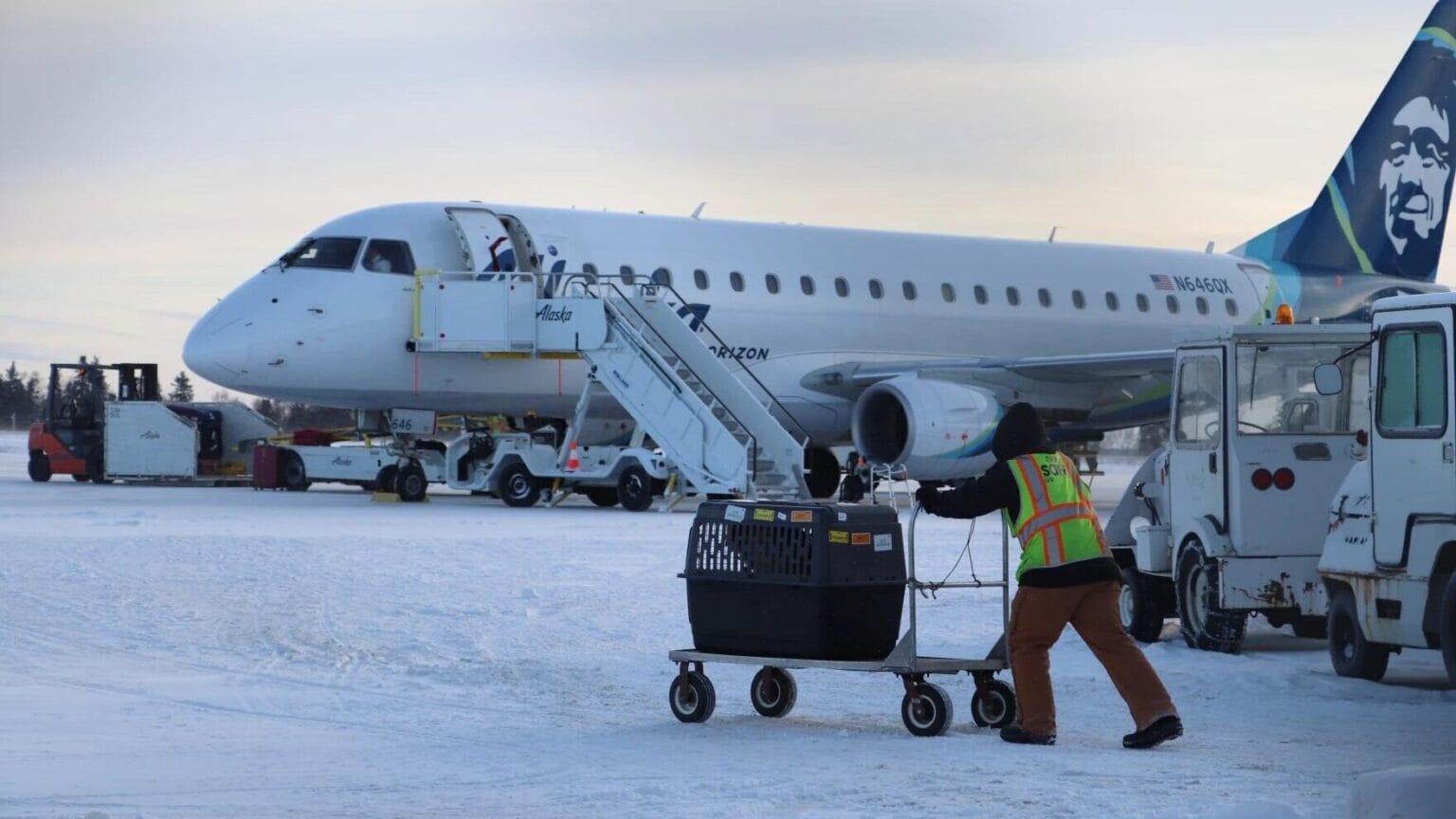
Alaska Airlines has been named in a federal enforcement action by the Federal Aviation Administration (FAA) for allegedly permitting 11 intoxicated passengers to board its flights. The FAA has proposed a $165,000 civil penalty against the airline, citing violations of federal alcohol regulations. This incident, which occurred at Juneau International Airport, underscores growing regulatory scrutiny around passenger safety and compliance with aviation standards.
What does this mean for Alaska Airlines?
The proposed penalty is part of a broader trend in aviation enforcement. The FAA's action aligns with its mandate to ensure that airlines comply with the Alcohol, Tobacco, and Firearms (ATF) regulations, which require airlines to prevent intoxicated individuals from boarding flights. The case highlights the critical role of flight crew in enforcing these rules, as well as the consequences of noncompliance.
Under current regulations, airlines must implement robust procedures to screen passengers for alcohol consumption. This includes mandatory alcohol screenings at the gate and verification of passenger sobriety. Alaska Airlines’ alleged failure to enforce these protocols has led to the FAA’s intervention.
Why is this case significant?
- Historical context: The FAA has previously targeted airlines for similar violations, with penalties ranging from $1,000 to $100,000 per incident.
- Current implications: The $165,000 fine represents a significant financial impact on a regional carrier, potentially affecting operational budgets and service quality.
- Industry-wide impact: This case reflects a shift toward stricter enforcement of alcohol policies across the aviation sector.
The FAA’s action demonstrates the agency’s commitment to prioritizing passenger safety over cost-saving measures. For Alaska Airlines, this fine could necessitate immediate changes to its onboard alcohol screening protocols, including enhanced training for flight crews and more rigorous verification processes.
Alaska Airlines has not yet commented on the case, but industry experts note that such violations often lead to ongoing investigations and additional penalties. The airline must now address systemic issues in its alcohol screening procedures to avoid further repercussions.