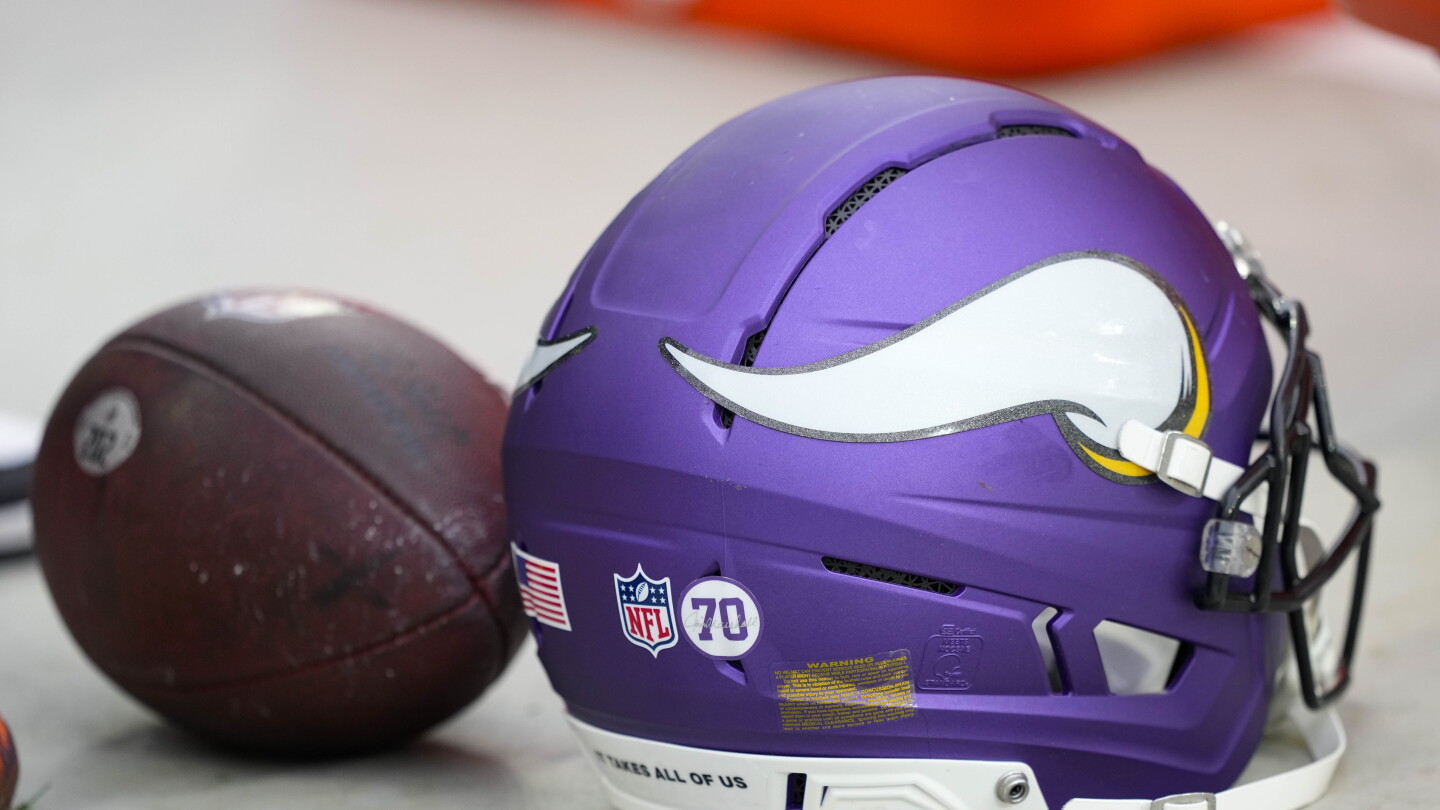
The Minnesota Vikings have made a significant move in their front office by appointing Nolan Teasley, a seasoned NFL executive, as their new general manager. This decision, confirmed by multiple reliable sources including NFL Network's Tom Pelissero, marks a pivotal shift in the team's approach to roster construction and long-term planning.
Teasley’s appointment comes as the Vikings seek to address critical gaps in their current roster, particularly after the recent departure of Kwesi Adofo-Mensah. The Vikings have been actively engaging with top-tier talent and strategic thinkers, and Teasley’s expertise in player development and acquisition has positioned him as a strong candidate for the role.
How Does This Fit into the Broader NFL Landscape?
Unlike many teams that focus on short-term fixes, the Vikings are prioritizing a holistic strategy that aligns with Teasley’s background in building sustainable, competitive units. His experience working with the Seattle Seahawks, where he served as an assistant general manager, has given him insight into the complexities of modern football and the challenges of balancing immediate results with long-term growth.
Teasley’s move to the Vikings reflects a growing trend among franchises that recognize the importance of having a GM with deep understanding of player development and strategic planning. In a league where roster stability is critical, this decision could set the stage for meaningful improvements in the team’s performance.
What Are the Key Challenges Ahead?
- Addressing the current roster’s shortcomings through targeted acquisitions and adjustments.
- Implementing a cohesive strategy that aligns with the team’s overall vision and long-term goals.
- Managing the transition from a previous leadership structure to a new, more dynamic approach.
The Vikings’ decision to hire Teasley highlights their commitment to evolving beyond short-term fixes and focusing on sustainable, long-term success. With Teasley’s experience, the team can now focus on building a roster that not only meets immediate expectations but also positions them for future competitiveness.