Sharon Osbourne's Split with Far-Right Figures: A Case Study in Public Relations and Social Impact


Editor 20 Apr, 2026 ... min lectura

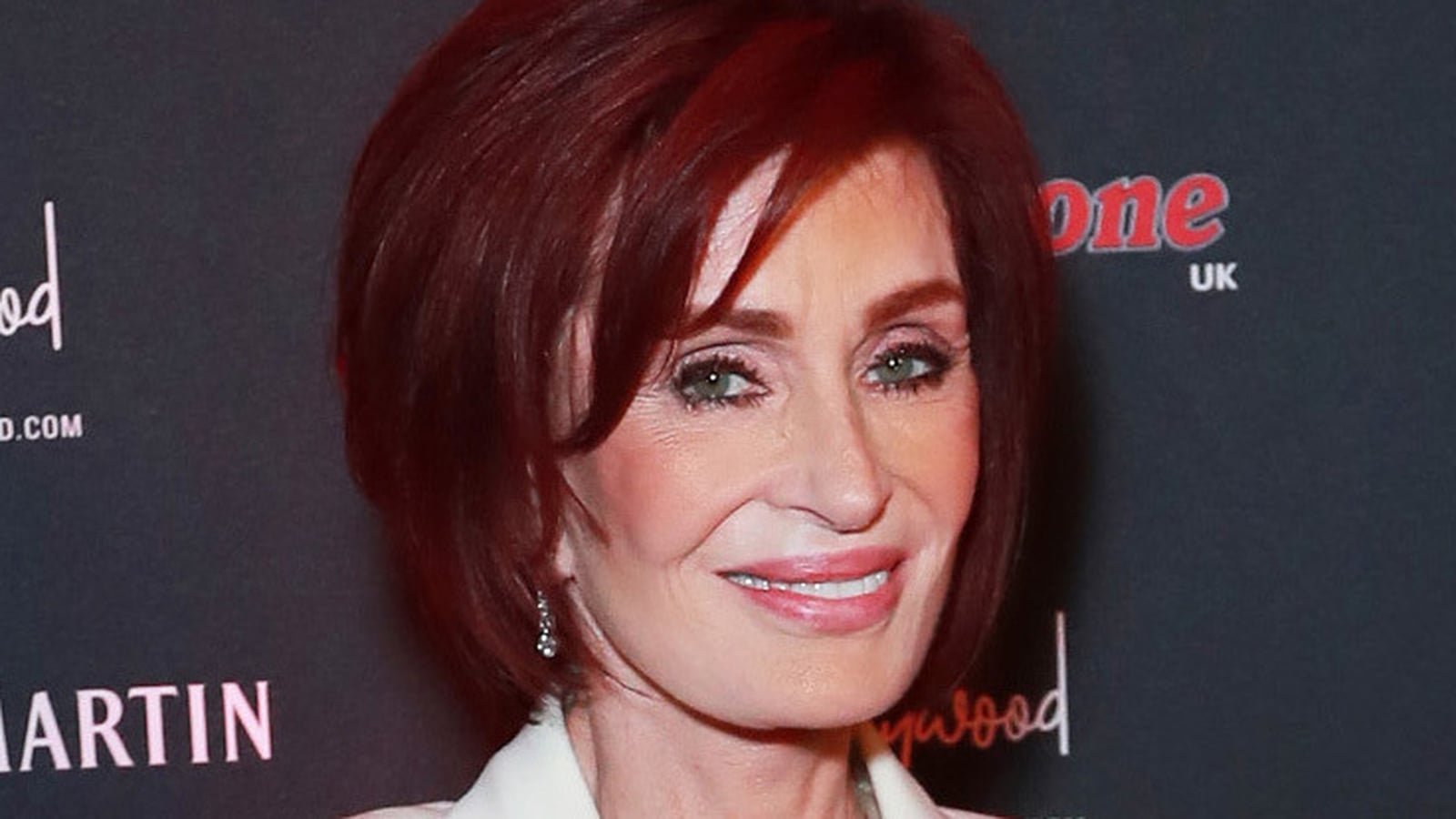
Sharon Osbourne's recent public alliances with far-right figures have ignited a firestorm across British media and civil society. The controversy centers on her support for Tommy Robinson, a controversial figure known for his anti-immigration rhetoric and far-right activism. Recent developments, including Centrepoint's decision to sever ties with Osbourne after she endorsed a rally organized by Robinson, highlight the growing tensions between progressive advocacy and far-right movements in contemporary UK politics.

The backlash against Osbourne's endorsement of Tommy Robinson's rally has been swift and severe. Centrepoint, a major UK homelessness charity, has publicly stated it will 'no longer work together in the future' with Osbourne following her Instagram post expressing support for the event. This decision underscores the significant impact that individual celebrity endorsements can have on charitable organizations and their reputational integrity.

Osbourne’s connection to Tommy Robinson is complex and rooted in her past associations with controversial figures. As a former judge on The X Factor, she has long been a polarizing figure in British media. Her recent alignment with Robinson, a figure known for his far-right sympathies and anti-immigrant stance, has drawn criticism from progressive organizations and civil society groups. The incident has also sparked a renewed debate about the role of celebrities in political movements and the ethical implications of their public statements.

The situation has also drawn attention from artists and activists, with Irish band Kneecap openly criticizing Osbourne’s decision to attend Robinson’s march. Kneecap’s statement, '**** Sharon Osbourne', has become a symbol of resistance against her perceived alignment with far-right ideologies. This incident reflects a broader trend of artists using their platforms to challenge the influence of controversial figures in public discourse.

Why does Sharon Osbourne’s support for Tommy Robinson matter?

Osbourne’s endorsement of Robinson’s rally is not an isolated incident but part of a larger pattern of celebrity involvement in political movements. Her support has been linked to increasing support for far-right causes, particularly those with anti-immigrant agendas. This has led to significant backlash from organizations like Centrepoint, which are committed to addressing social issues such as homelessness and poverty.

  • Centrepoint’s decision to sever ties with Osbourne highlights the ethical challenges faced by charities working with controversial figures.
  • The incident illustrates the growing influence of social media in shaping public perceptions of political movements.
  • It underscores the complex relationship between celebrity influence and social responsibility in contemporary UK civil society.

As the debate continues, the implications of Osbourne’s actions raise critical questions about the role of public figures in political movements and the accountability of organizations that partner with them. The situation serves as a case study in how individual actions can have ripple effects across multiple sectors of society.