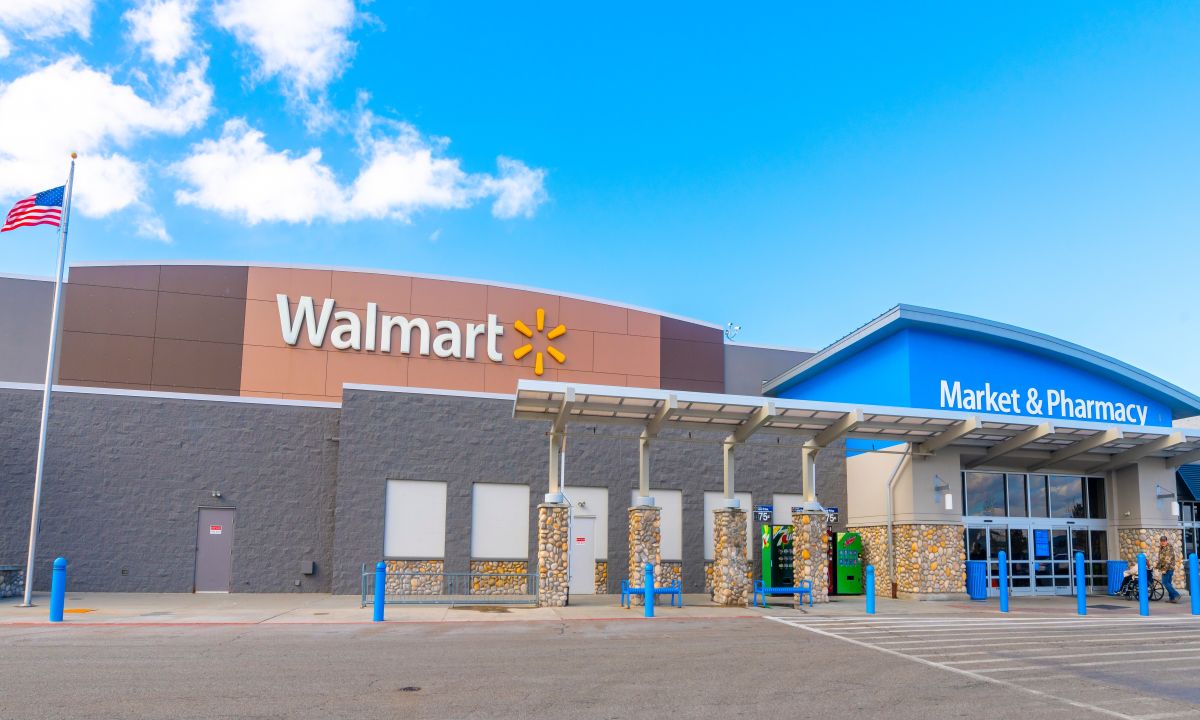
Walmart's latest move in its battle against Amazon for same-day delivery dominance has shifted the focus from traditional logistics to an unexpected advantage: its own physical stores. By repurposing store backrooms and interior spaces as temporary warehouses, Walmart is not just adapting to market demands but redefining the future of e-commerce logistics. This strategic pivot highlights how retail giants are leveraging existing infrastructure to close the gap in delivery speed and cost efficiency.
Historically, same-day delivery has been a critical battleground between major retailers. Amazon’s early dominance in this space was built on its vast fulfillment centers and advanced algorithms, but Walmart has long been criticized for slower delivery times due to its reliance on traditional warehouse systems. However, as consumer expectations evolve toward immediate gratification, Walmart has turned its stores into dynamic fulfillment hubs. This shift isn't just tactical—it's a fundamental transformation in how retail operations are structured.
Can Walmart's Store Backrooms Outpace Amazon's Algorithmic Speed?
The core question in this strategic shift is whether Walmart's ability to use existing store spaces can match Amazon's sophisticated algorithms that optimize delivery routes and predict consumer behavior. While Amazon's system is highly data-driven, Walmart's approach offers flexibility and proximity advantages. By testing store backrooms for same-day delivery, Walmart is addressing a critical pain point: the delay between order placement and physical delivery.
- Walmart is testing store backrooms to store inventory for same-day delivery
- Stores act as decentralized warehouses, reducing delivery distances for urban areas
- Cost savings from avoiding traditional warehouse costs
This strategy allows Walmart to offer faster delivery without the high overhead of building dedicated fulfillment centers. The implications for retail logistics are profound: if successful, this model could become the standard for same-day delivery across the industry.
Analysts note that Walmart's approach is particularly effective in densely populated urban areas where delivery times matter most. For example, in cities with high population density and limited space for traditional warehouses, using existing store backrooms could cut delivery times by up to 30%. This is a significant leap for a company that has traditionally been slower in adopting new technologies.
The challenge remains: scaling this model without disrupting customer experience. While Walmart has been praised for its cost efficiency, the risk of overloading stores with inventory or creating bottlenecks during peak periods is real. However, with careful implementation, this strategy could set a new benchmark for same-day delivery.
As the race intensifies, Walmart's move underscores the importance of innovation within existing frameworks. Unlike Amazon, which has invested heavily in automated warehouses, Walmart is leveraging its physical footprint to create a more agile and responsive delivery network. This approach is not just about speed—it's about rethinking the relationship between retail and delivery logistics.