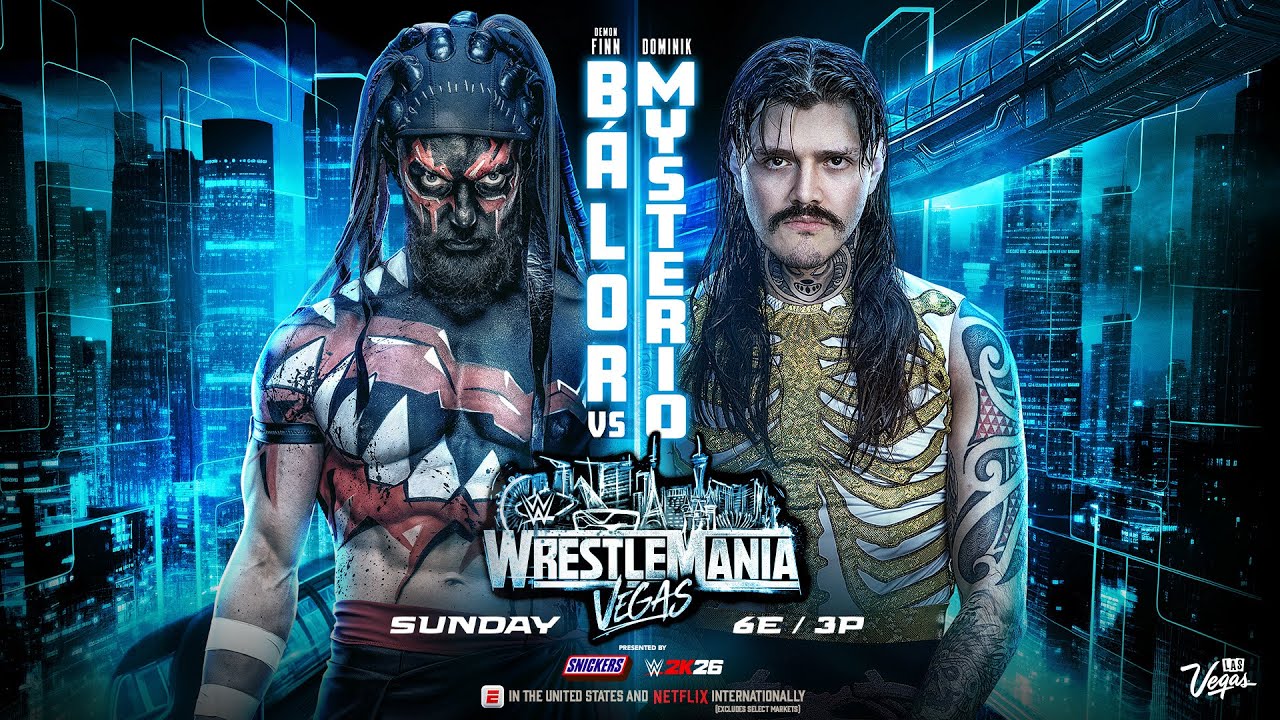
Wrestling history is defined by moments that transcend the ring, and Finn Bálor’s return to the spotlight as 'The Demon' at WrestleMania 42 represents a pivotal shift in his narrative. This isn’t just a match—it’s a calculated renaissance for a wrestler whose career has been marked by bold decisions and strategic storytelling. The addition of a street fight stipulation to his match against Dominik Mysterio has ignited a firestorm of speculation, but for Bálor, it’s a strategic move to reclaim his legacy.
For years, Finn Bálor has been a master of narrative control. His evolution from a controversial heel to a respected leader in WWE’s storylines reflects a deep understanding of audience engagement. The 'Demon' persona, originally a character he created to embody his intensity and determination, has become synonymous with his ability to turn setbacks into opportunities. At WrestleMania 42, this persona is not just a costume—it’s a tactical asset. The decision to add a street fight stipulation to his match against Mysterio signals a shift from traditional wrestling to a more aggressive, high-stakes confrontation.
Historically, street fights have been a staple of wrestling drama, but their integration into major events like WrestleMania has evolved significantly. The street fight stipulation in this match is a direct response to the changing landscape of professional wrestling, where physicality and emotional intensity are increasingly valued over technical perfection. Unlike the traditional 'cage match' or 'ladder match,' a street fight emphasizes raw, unfiltered confrontation, making it a perfect fit for Bálor’s narrative.
Why does the street fight matter for the future of wrestling?
From a strategic standpoint, the street fight stipulation at WrestleMania 42 is a bold move by Bálor to challenge the status quo. It’s not just about the match—it’s about redefining what a WrestleMania match can be. By choosing a street fight, Bálor is pushing the boundaries of traditional wrestling, creating a more immersive experience for fans. This move aligns with WWE’s broader efforts to innovate while staying true to the core elements of the sport.
- The street fight stipulation highlights the importance of unpredictability in wrestling storytelling
- It allows for a more dynamic narrative where both competitors can showcase their abilities beyond the ring
- It sets the stage for a future where the 'Demon' persona becomes a symbol of resilience and adaptability
For the next generation of wrestlers, this match is a lesson in strategic storytelling. It shows that even in the face of adversity, a well-planned narrative can turn a setback into a triumph. Bálor’s decision to use the street fight stipulation isn’t just a tactical choice—it’s a statement about the evolving nature of professional wrestling.
The implications of this move go beyond the ring. As wrestling continues to evolve, the integration of high-stakes, unpredictable elements like street fights will likely shape the future of the sport. For fans, this is a chance to see how a wrestler like Finn Bálor can turn a narrative into a legacy.