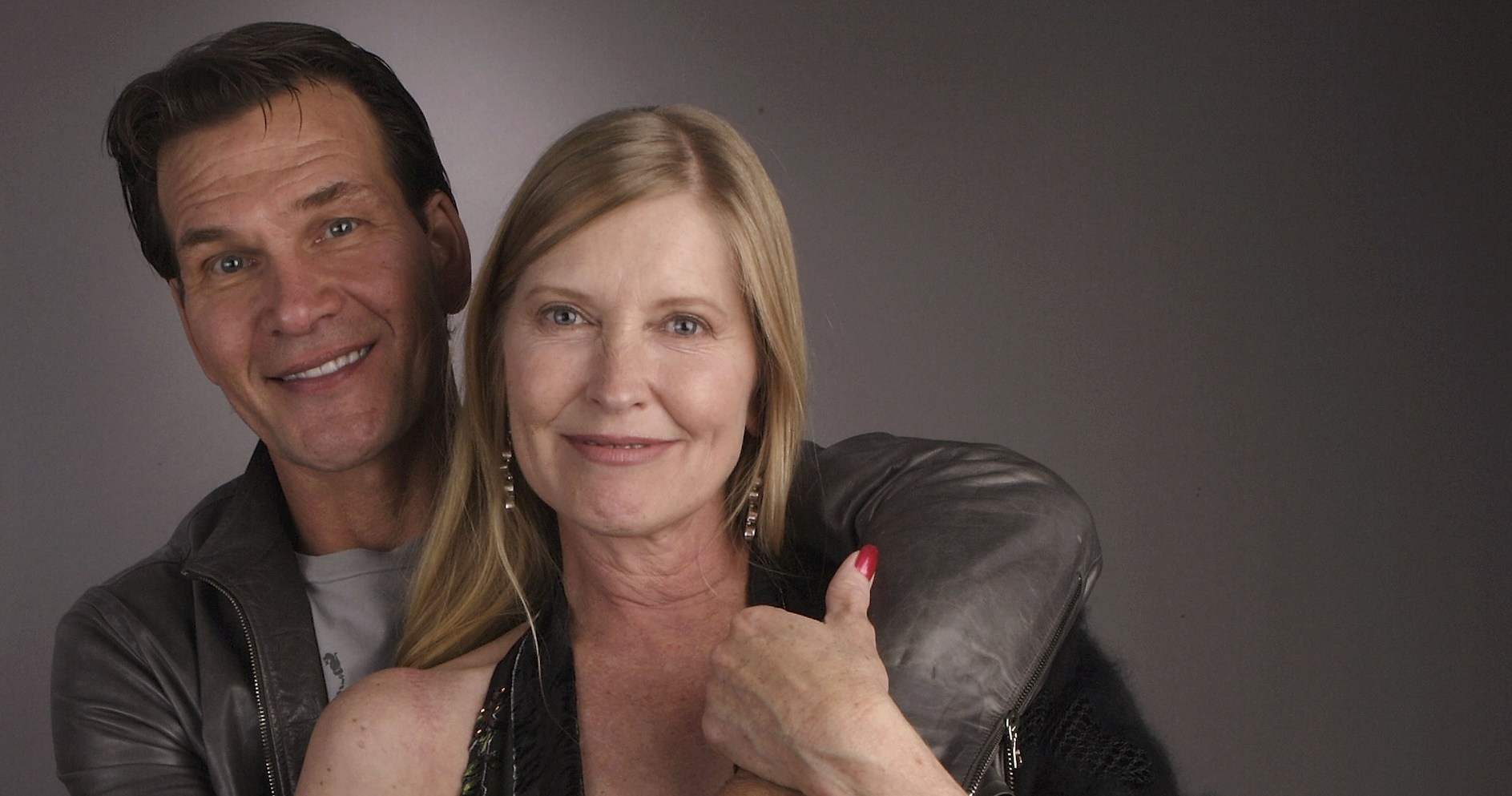
Lisa Niemi Swayze, the widow of beloved actor Patrick Swayze, has emerged as a pivotal figure in reshaping conversations around legacy, grief, and the creative spirit. Her recent engagement with the upcoming Dirty Dancing sequel offers a rare glimpse into how personal loss can inspire artistic renewal. Swayze, who passed away in 2009 at age 57 after a 22-month battle with pancreatic cancer, left behind a legacy that continues to resonate through his iconic role in the 1987 film that defined a generation of dance enthusiasts and cultural icons.
For nearly 15 years, Lisa has navigated the complexities of grief and resilience, transforming her pain into a powerful narrative of hope. Her reflections on Patrick’s 'nightmare' cancer journey—marked by isolation and emotional turmoil—reveal how personal trauma can fuel creativity. This journey culminates in her participation in the Dirty Dancing sequel, a project that has sparked both excitement and skepticism among fans.
How Does a Widow’s Perspective Shape a Film?
When asked about the sequel’s script, Lisa emphasized the importance of honoring Patrick’s spirit without reducing his legacy to a single moment. She highlighted the film’s commitment to authenticity, noting that the story avoids romanticizing his illness or focusing solely on his death. Instead, it centers on themes of perseverance and the enduring impact of his work.
- Her involvement ensures the sequel respects Patrick’s artistic vision, which emphasized community and inclusivity.
- The script avoids sensationalizing his illness, focusing instead on universal human experiences.
- She emphasized that the film’s success will be measured by its ability to inspire future generations, not just nostalgia.
Lisa’s perspective challenges the notion that film sequels must revolve around original stars. By stepping into the creative process, she demonstrates how personal grief can become a catalyst for meaningful storytelling. Her insights offer a model for balancing historical context with contemporary relevance in the arts.
The Dirty Dancing sequel has become more than just a film—it’s a testament to how personal narratives can intersect with cultural movements. Lisa’s role as both a survivor and an advocate for mental health awareness underscores the broader implications of her work beyond the silver screen.
Through her advocacy, Lisa has also highlighted the critical need for better cancer support systems, particularly for those facing rare, aggressive diseases like pancreatic cancer. Her efforts have led to increased funding for early detection programs and awareness campaigns, proving that personal stories can drive tangible change.
As the sequel prepares for release, Lisa’s journey reminds us that true legacy isn’t defined by the number of fans who see a film, but by the impact it has on those who live it. Her story offers a blueprint for how grief can be transformed into action, not just a burden.