As healthcare costs continue to spiral, hospital executives are finding themselves at the center of a growing political and public health debate. Recent congressional hearings have highlighted a stark divide between lawmakers demanding action on rising costs and hospital leaders insisting their pricing models are necessary for sustainable operations. This clash reveals deeper structural challenges within the U.S. healthcare system that extend far beyond the surface-level accusations of overcharging.
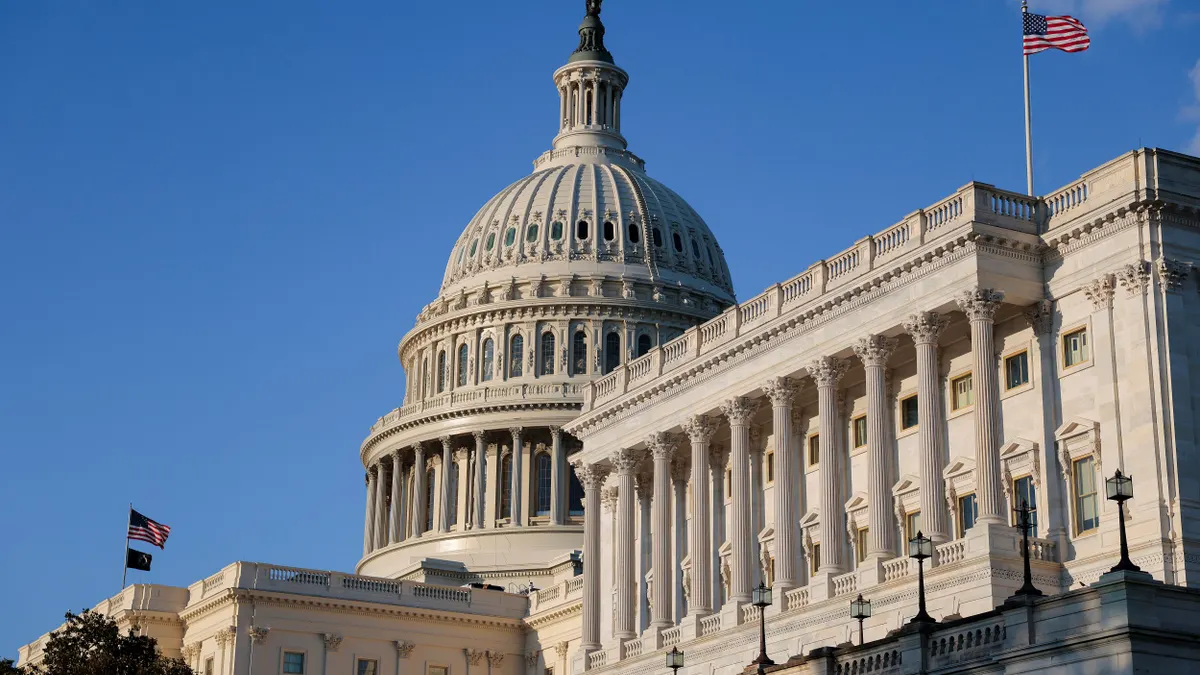
The recent House hearing, led by Rep. Jason Smith, chair of the House Ways and Means Committee, underscored tensions between government oversight and hospital financial management. Lawmakers accused hospital CEOs of prioritizing profit over patient affordability, citing specific cases where patients were charged significantly more for routine care than in previous decades. Yet, the CEOs’ response was notably defensive, framing their pricing as a necessary trade-off for maintaining critical services and infrastructure.
Are hospital prices truly justified?
At the heart of this debate lies a fundamental question: Are hospital prices truly justified? The answer depends on how we define 'justification.' Hospital systems operate under complex financial models that balance public health needs with the realities of resource allocation. For example, rural hospitals often face unique challenges, such as limited access to specialized care and higher costs for essential equipment, which can drive up prices. These factors are not always visible to patients or policymakers.
CEOs argue that their pricing aligns with market principles, where costs are passed directly to patients through high-value services like emergency care and critical surgeries. However, critics point out that many of these services are often underfunded and under-resourced, leading to inefficiencies that inflate costs. The disconnect between what patients pay and what hospitals actually spend is a key issue in this dispute.
- Emergency department costs have risen by over 30% since 2020, according to recent data.
- Many hospitals operate with thin margins, forcing them to absorb losses through higher patient fees.
- Rural hospitals report up to 40% higher costs due to geographic isolation and scarcity of staff.
These points highlight the complexity of the issue, but they also reveal a critical gap in understanding how healthcare pricing functions across different settings. The real question is whether the current system can adapt to ensure affordability without compromising quality of care.
As the debate continues, one thing is clear: hospital CEOs are not simply 'charging more' but are navigating a system that is increasingly strained by aging populations, rising demand for services, and the lack of a unified national health insurance framework. Without meaningful policy intervention, the affordability crisis may deepen, affecting millions of Americans.