Select Language

Apple's Vision Pro Struggles: What the M5 Refresh Means for Future iPhone Developments

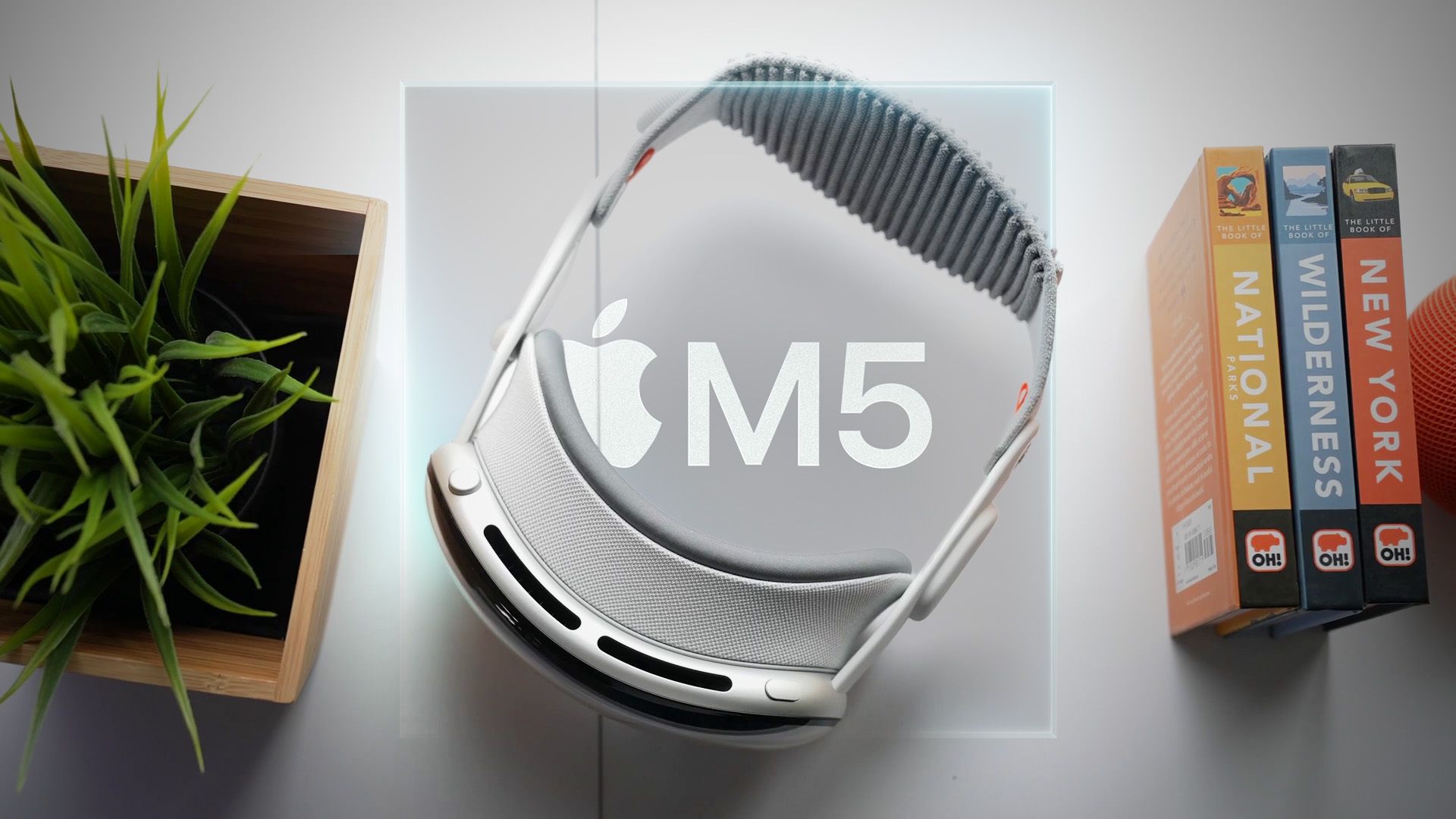
Apple's recent struggles with the Vision Pro have sparked intense speculation about its broader ecosystem, particularly its upcoming iPhone lineup. The latest rumors suggest that the M5 chip refresh for the Vision Pro—a device designed to push the boundaries of augmented reality—has failed to reignite consumer interest. This setback has raised critical questions about Apple's strategy for integrating immersive technologies into its flagship products.

Is the Vision Pro a Dead End for Apple's Future?

According to recent reports, Apple has shifted its focus away from the Vision Pro after the M5 model's performance fell short of expectations. Analysts argue that the Vision Pro's failure to deliver on its promise as a groundbreaking AR platform has left the company reevaluating its approach to AR and AI integration across all product lines, including the iPhone. The M5 refresh, which aimed to improve processing speed and energy efficiency, has been criticized for not aligning with user expectations for seamless, real-time AR experiences.

  • The Vision Pro's delayed market adoption has led to a critical window of opportunity loss for Apple in establishing AR as a mainstream technology.
  • Apple's shift in strategy is likely to impact the development of future iPhone models that rely on AR capabilities, such as spatial computing features.
  • Industry experts warn that a lack of clear use cases for AR could lead to reduced adoption of AR features in consumer devices.

These challenges highlight a pivotal moment for Apple as it navigates the complex interplay between hardware innovation and user demand. The Vision Pro's struggles are not isolated—they reflect deeper issues in Apple's ability to time its product launches and align them with market readiness.

One key factor in the Vision Pro's underperformance is its high cost and limited target audience. Unlike the iPhone, which has a global appeal and strong brand recognition, the Vision Pro has been perceived as a niche product for professionals and developers. This misalignment has created a gap between Apple's ambitious vision and the practical realities of consumer adoption.

What Does This Mean for iPhone 16 and Beyond?

With the Vision Pro project facing setbacks, Apple is likely to pivot its attention to more immediate, market-ready technologies. The iPhone 16 series is expected to focus on incremental improvements rather than revolutionary changes, such as enhanced camera systems and more efficient power management. These adjustments are crucial for maintaining the iPhone's market dominance while addressing user needs for better battery life and performance.

Industry analysts suggest that Apple's focus on refining existing technologies will continue to dominate the iPhone 16 launch. The company is likely to prioritize features that deliver immediate value, such as improved video capabilities and enhanced AI integration, over high-risk, high-reward experiments like the Vision Pro.

As the timeline for the Vision Pro's future becomes increasingly uncertain, the iPhone 16 is poised to be a more stable and predictable release. This shift reflects Apple's growing emphasis on reliability and user-centric design over radical innovation.

The Vision Pro's struggles serve as a cautionary tale for Apple's broader strategy of integrating emerging technologies into its product ecosystem. While the Vision Pro may not be a commercial success, its lessons will likely inform future iterations of the iPhone, ensuring that Apple continues to deliver products that resonate with the global market.

Share Article