When a data breach occurs, it’s not just a technical glitch—it’s a security catastrophe with far-reaching consequences. Understanding what a data breach truly is is critical for businesses, individuals, and policymakers alike. At its core, a data breach happens when unauthorized individuals or groups gain access to sensitive data—whether personal information, financial records, or intellectual property—through vulnerabilities in digital systems.
How Do Data Breaches Happen in the Medical Tech Industry?
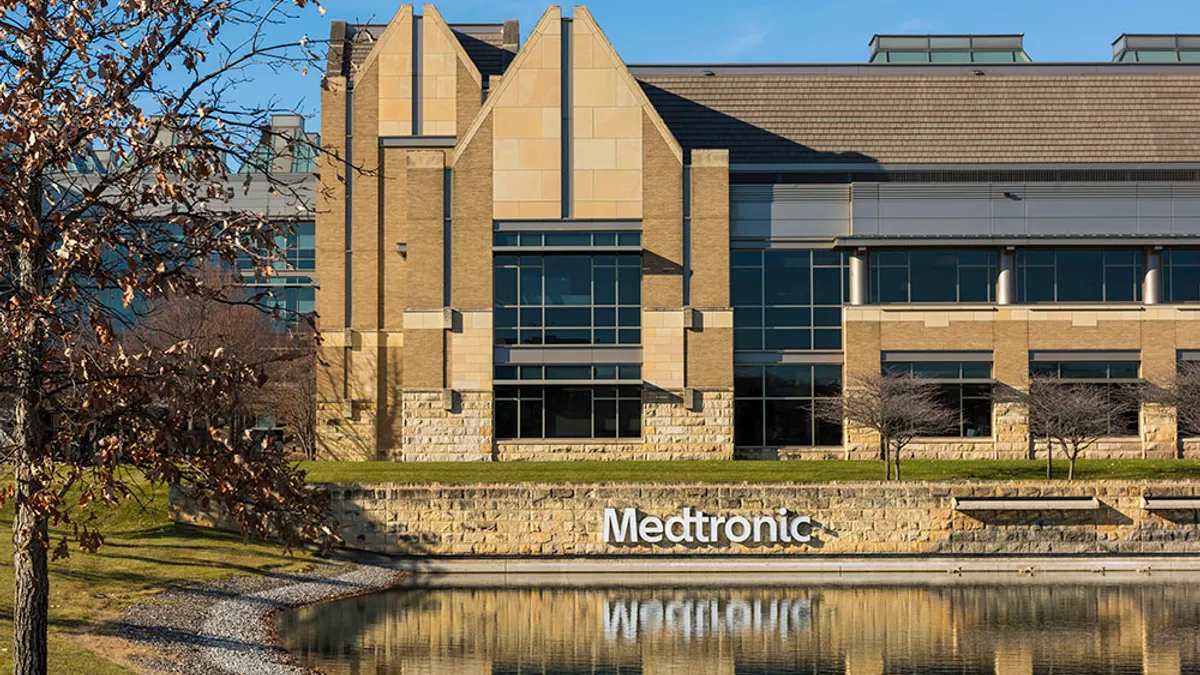
Recent incidents highlight the growing threat landscape. In the medical technology sector, companies like Medtronic and Stryker have become prime targets. For instance, in April 2026, Medtronic confirmed a cyberattack on its corporate IT systems following a data breach at Stryker. This incident, linked to the notorious ShinyHunters hacking group, involved the alleged theft of millions of records, including sensitive patient data and proprietary medical device designs.
What makes medical tech data breaches particularly dangerous is the high value of the information. Unlike typical breaches involving financial data, medical data breaches can lead to life-threatening risks. A single compromised pacemaker design, for example, could endanger thousands of patients if weaponized by malicious actors. The stakes are clear: a single data breach can have cascading effects across entire ecosystems.
Why Do Medical Tech Companies Become Targets?
Medical technology companies are increasingly targeted due to their critical role in healthcare delivery. These firms handle vast amounts of sensitive information, from patient health records to proprietary technologies like AI-driven surgical tools. When a breach occurs, the consequences extend beyond financial loss—they can include regulatory penalties, loss of patient trust, and even public health crises.
- Insider threats: Employees with access to sensitive systems may inadvertently or intentionally leak data.
- Third-party vulnerabilities: Partnerships with cloud services or suppliers can create entry points for attackers.
- Legacy system weaknesses: Outdated infrastructure in older medical devices may lack modern security protocols.
These factors combine to create a perfect storm for data breaches in the medical tech sector. As highlighted by recent events, the medical industry’s reliance on interconnected systems makes it a prime target for sophisticated cyberattacks.
Looking ahead, proactive measures are essential. Companies must prioritize continuous monitoring, encryption of critical data, and robust incident response plans. The Medtronic case demonstrates that even large, well-established organizations can fall victim to sophisticated attacks. This underscores the urgent need for industry-wide collaboration and investment in next-generation cybersecurity frameworks.