Germany's position on US foreign policy shifts has become a focal point of international diplomacy, particularly following recent statements by its defense minister regarding US troop withdrawals and Trump's perceived reactions to Iran. As NATO seeks clarity on its future, Germany finds itself at a crossroads between its longstanding commitment to transatlantic security and the unpredictable volatility of American leadership.
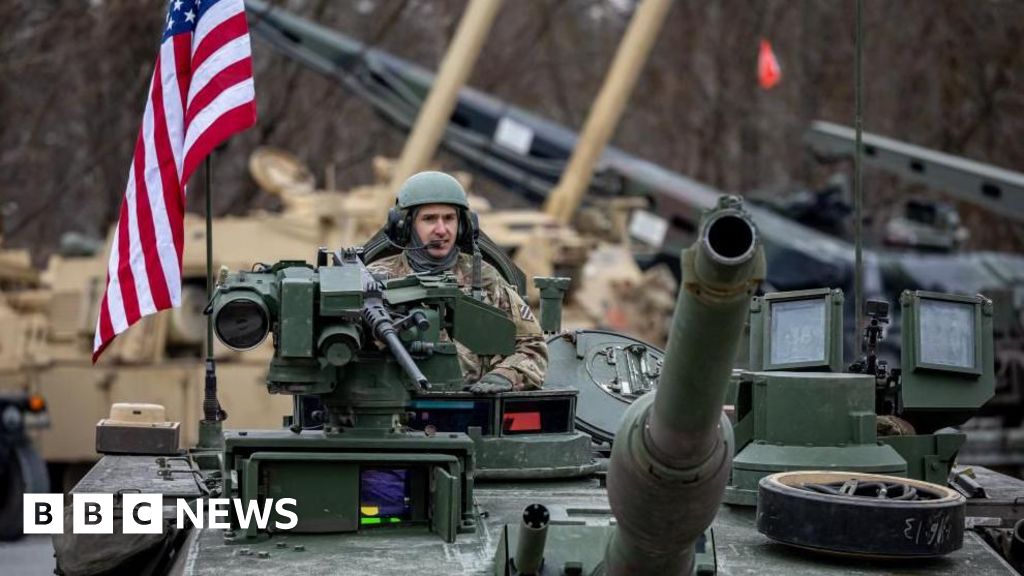
Analysts highlight that Germany's defense minister has described the US decision to withdraw 5,000 troops from Germany as 'foreseeable,' a statement that underscores the country's cautious optimism about maintaining stability despite the political turbulence. This assessment, made amid heightened tensions with Trump's stance on Iran, reveals a nuanced approach to balancing regional security and economic interests.
Is Germany Overestimating Trump's Iran Policy Shifts?
The recent claim that Germany may have misjudged Trump's anger over Iran has sparked debate among experts. While Germany has traditionally aligned with a strong stance against Iranian nuclear proliferation, Trump's unpredictable rhetoric has introduced new variables into the equation. Historically, Germany has supported robust US leadership in the Middle East, but the current political climate suggests a potential reevaluation of its strategic partnerships.
- Geopolitical realignment: The US withdrawal from Syria has prompted Germany to reassess its role in regional conflicts, particularly as it seeks to maintain its position as a key ally in NATO.
- Strategic dependency: Germany's reliance on US military protection has intensified as the US shifts its focus to domestic priorities and global instability.
- Financial implications: The economic impact of reduced US military presence on German defense spending and infrastructure is a growing concern.
Germany's strategic dilemma is further complicated by its dual role as a major economic power and a key security partner in Europe. The country's ability to navigate these challenges will determine its long-term influence in European and global affairs.