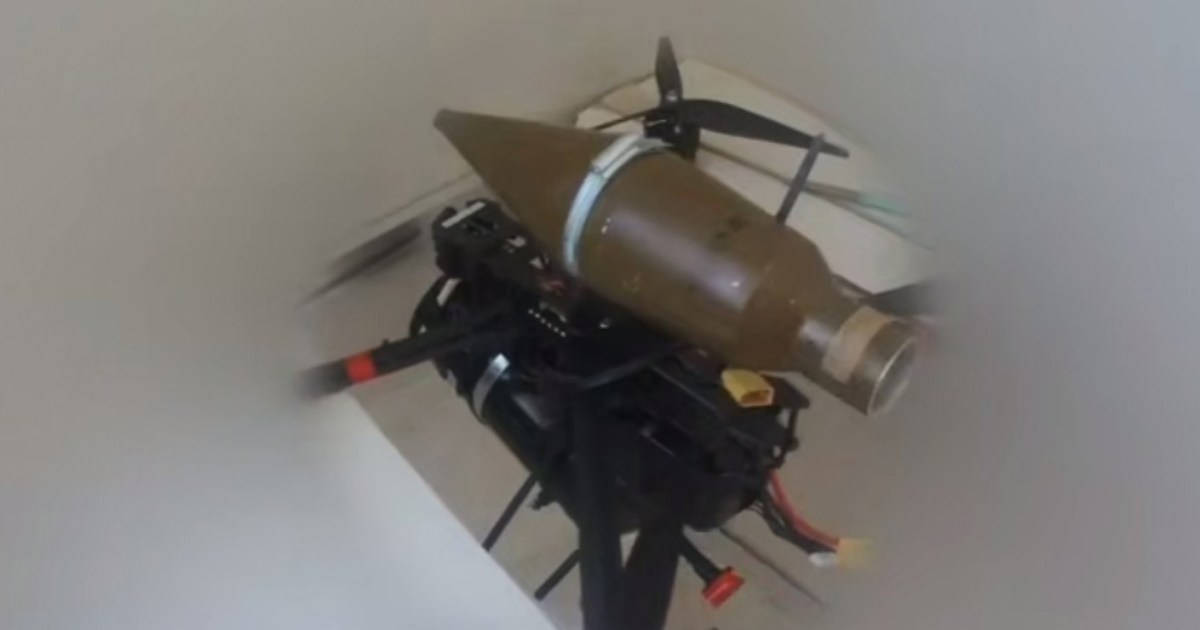
As tensions escalate along the Israel-Lebanon border, Hezbollah has increasingly turned to innovative tactics, including the deployment of fiber optic drones, to challenge Israeli military technology. These drones, equipped with sophisticated optical sensors, are designed to bypass traditional radar systems and operate with unprecedented stealth. The recent incident involving two lightly wounded Israeli soldiers near the southern Lebanese border highlights the evolving nature of modern asymmetric warfare.
How Do Fiber Optic Drones Outmaneuver Radar?
Unlike conventional drones that rely on radio waves for communication, fiber optic drones use fiber optic cables to transmit data. This technology allows them to transmit light signals through glass or plastic fibers, which are virtually undetectable by standard radar systems. By leveraging the properties of light, these drones can avoid detection and maintain operational secrecy for extended periods.
The recent attack in southern Lebanon, where two Israeli soldiers were lightly injured, underscores the immediate tactical advantage these drones provide. Hezbollah’s use of fiber optic technology represents a strategic shift from earlier, more visible drone operations, which were often intercepted by Israeli air defense systems.
Why Fiber Optic Drones Are Harder to Detect
- Low radar cross-section: Fiber optic drones emit no radiofrequency signals, making them invisible to radar systems that rely on electromagnetic waves.
- Real-time data transmission: They transmit information through light pulses, which travel at the speed of light, enabling near-instantaneous decision-making.
- Minimal electromagnetic signature: Unlike traditional drones, they do not emit significant electromagnetic noise, reducing the risk of interception.
These features allow Hezbollah to deploy drones that can monitor large areas without being detected, creating a significant tactical advantage in contested regions like Lebanon.
Analysts suggest that Hezbollah’s adoption of fiber optic technology is part of a broader effort to counter Israel’s advanced radar systems. By testing these systems through targeted drone strikes, Hezbollah aims to identify vulnerabilities and refine its tactics over time.
One critical aspect of this innovation is the integration of fiber optic drones with other asymmetric weapons. For example, the recent attack involved a drone fitted with a PG-7 warhead, which is capable of causing significant damage upon impact. This combination of stealth and explosive capability has raised concerns about the future of air defense in the region.
As the conflict continues, the implications of fiber optic drones extend beyond immediate tactical gains. They signal a shift toward more sophisticated and less detectable methods of warfare, challenging the very foundations of modern military surveillance and detection systems.