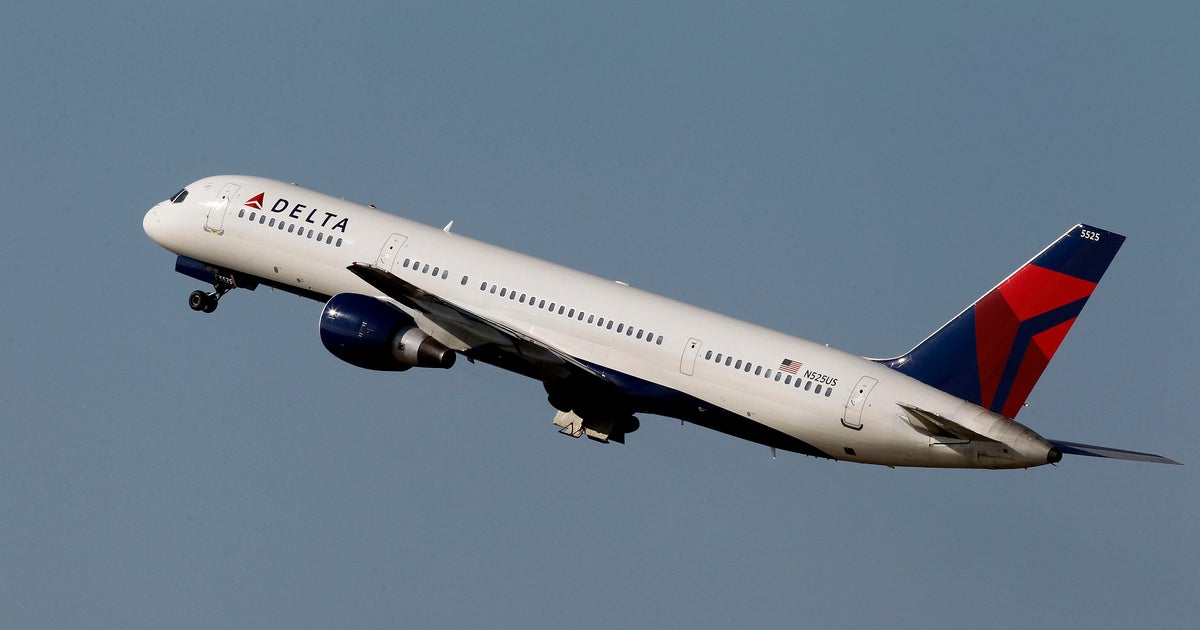
On April 30, 2026, a Delta Air Lines flight from Miami to Atlanta faced an unprecedented disruption when a passenger refused to end a phone call during pre-flight safety instructions. The incident, captured by the Miami-Dade County Sheriff's Office, forced the aircraft to return to the gate, triggering a cascade of events that included a full deplaning and subsequent arrest.
The passenger, identified by authorities as a Georgia resident, was reportedly engaged in a call with a family member while the crew instructed passengers to silence their devices. This refusal to comply with safety protocols led to a 40-minute delay, costing the airline an estimated $15,000 in potential revenue loss per flight delay. The incident highlights how even seemingly minor disruptions can have significant operational impacts on modern air travel.
Why does this matter for air travel safety?
While the incident appears minor, it reflects a growing challenge in aviation safety: the increasing reliance on personal electronics during critical phases of flight. According to the International Air Transport Association (IATA), over 75% of airlines now require passengers to silence devices during safety briefings, a practice that has become standard due to both safety and regulatory compliance needs.
Flight crews have a legal duty to ensure all passengers comply with safety protocols, but the consequences of non-compliance can escalate rapidly. In this case, the passenger's behavior not only disrupted the flight but also endangered the safety of 150 other passengers and crew members.
What happened next?
After the flight was rerouted, Delta’s spokesperson confirmed the passenger was detained by law enforcement after a full deplaning. The arrest followed a 20-minute delay in the process, during which the passenger continued to refuse to end the call. This incident underscores the tension between passenger convenience and operational safety.
- The passenger was identified as a Georgia resident by Miami-Dade County Sheriff’s Office
- Delta Flight 1323 was scheduled to depart from Miami International Airport
- The delay cost Delta an estimated $15,000 per flight
Aviation experts emphasize that such incidents, though rare, are part of a broader trend in aviation safety protocols. The incident also highlights the challenges of balancing passenger autonomy with safety requirements in an increasingly connected world.