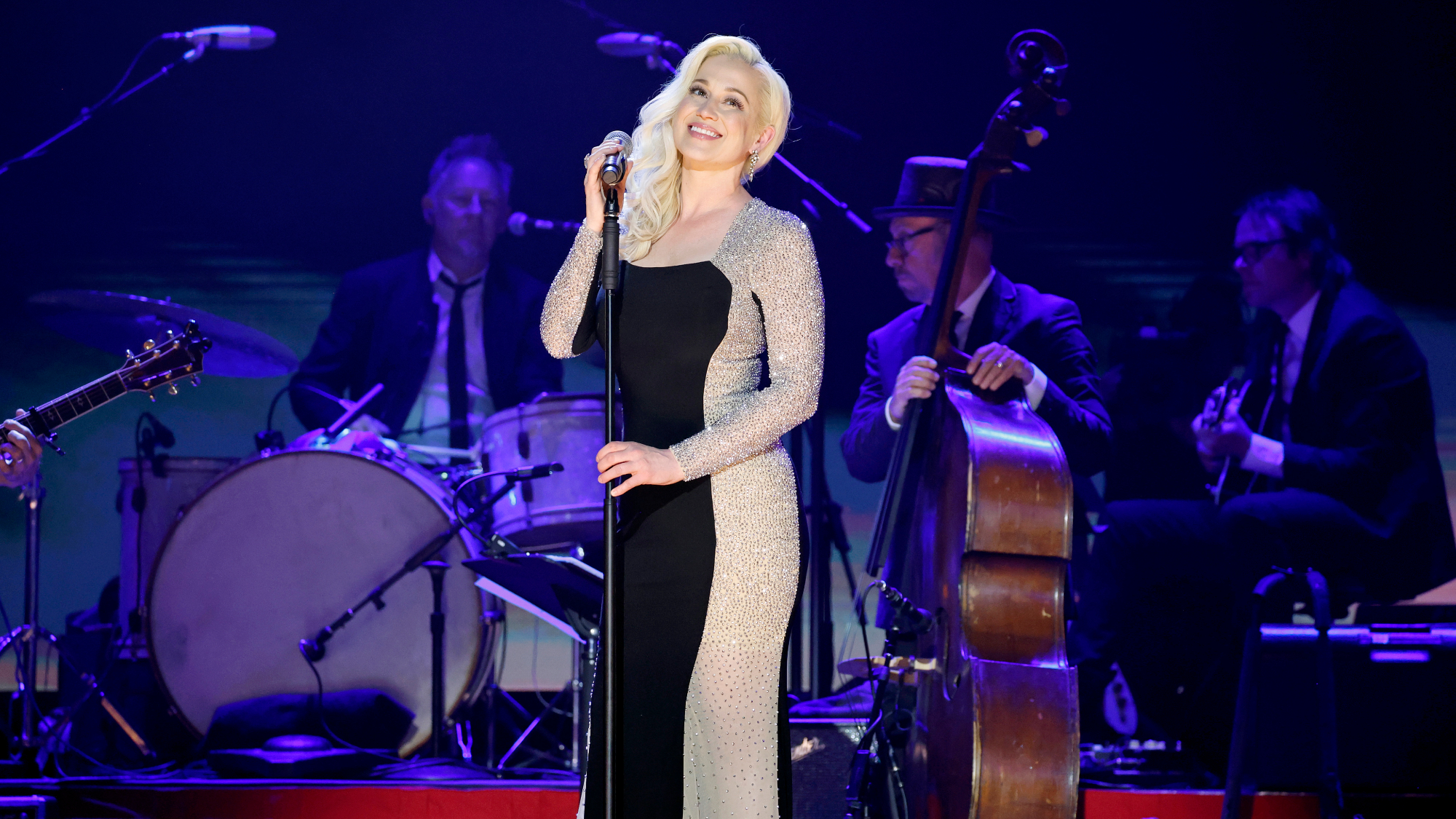
Kellie Pickler’s story isn’t just a comeback—it’s a testament to resilience in the face of unimaginable loss. Three years after her husband Kyle Jacobs’ tragic death by suicide in 2023, the former American Idol contestant has made a rare public appearance on the show’s Class of 2006 reunion, marking a pivotal moment in her journey toward healing and reconnection with her legacy.
Early in her career, Pickler stood out as a charismatic and emotionally intelligent contestant on American Idol in 2006. Her raw talent and vulnerability captivated audiences, earning her a place among the show’s most memorable alumni. But life took a devastating turn when Kyle, her husband and a close friend, passed away unexpectedly in 2023. The loss left her isolated from the public eye for over two years, a period marked by profound grief and emotional turmoil.
The recent announcement by American Idol’s official podcast host, Danielle Fishel, that Pickler would return for the Class of 2006 reunion has sparked conversations about the intersection of personal tragedy and public visibility. This reunion isn’t just a nostalgic event—it’s a deeply personal act of reclaiming agency over her narrative after years of silence.
How Did Kellie Pickler Get So Much Attention?
While many might assume her return is purely emotional, the context reveals a more nuanced story. The reunion event, which celebrates the Class of 2006, was initially planned to include only the winners of that season. However, the show’s team expanded the scope to include all alumni, including those who had been overlooked. Pickler’s inclusion highlights the growing recognition of her impact beyond her initial performance.
- Her participation reflects a broader shift in the entertainment industry toward honoring the emotional and psychological depth of contestants, not just their vocal talent.
- It underscores the importance of mental health awareness in post-American Idol careers, a topic that has gained traction since the show’s inception.
- Her story has become a symbol for fans grappling with grief and the aftermath of personal loss.
What makes this reunion particularly meaningful is that it’s not just about the show—it’s about the human behind the microphone. Pickler’s journey has been documented by the American Idol team, with Fishel’s involvement highlighting the show’s commitment to transparency and empathy.
As the reunion approaches, the focus shifts from the spectacle of the event to the deeper implications of her return. What does it mean for a public figure to re-enter the spotlight after such a profound loss? How can the entertainment industry support those who have experienced similar tragedies?
Experts in media psychology emphasize that public appearances after grief can be a critical step in processing trauma. For Pickler, this event represents a chance to reconnect with the community that once celebrated her talent and charisma.
Looking ahead, the reunion will serve as a reminder that even in the most difficult times, the legacy of a show like American Idol can provide a platform for healing and connection. The event’s significance extends beyond the screen—it’s a moment for reflection, empathy, and the recognition that healing often begins with a single, courageous step.