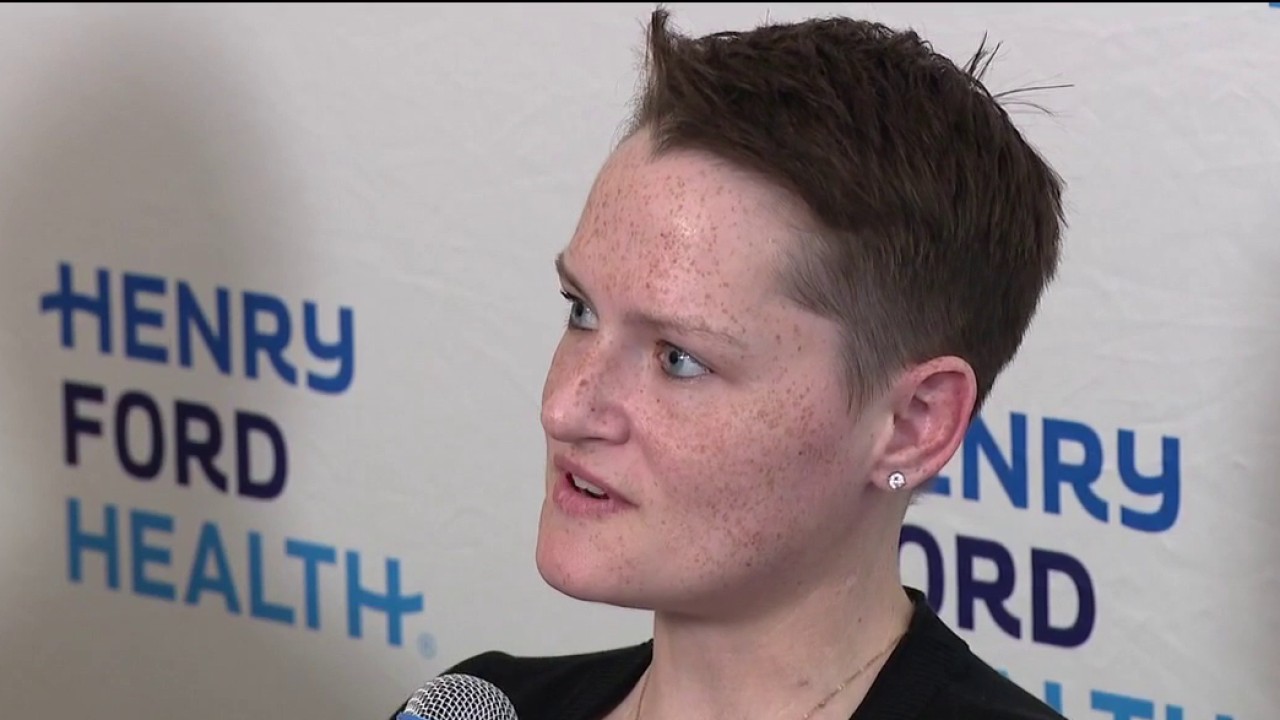
Kim Mathers, the ex-wife of music icon Eminem, has entered a plea of no contest in a recent hit-and-run incident that has sent ripples through the entertainment industry and public perception of the hip-hop legend. The case, which unfolded in Macomb County, Michigan, involves Mathers being charged with impaired driving and failure to report an accident following a February crash. Her decision to plead no contest to these charges marks a pivotal moment in her legal journey and highlights the complexities of personal accountability in public figures' lives.
Under Michigan law, pleading 'no contest' means the defendant accepts guilt without admitting the specific charges, effectively acknowledging responsibility for the misconduct. Mathers' choice to do so has drawn attention to the nuances of legal terminology and its implications for those involved in traffic incidents. This legal strategy is often used by individuals who wish to avoid the negative repercussions of a formal guilty plea while still taking responsibility for their actions.
Why Does This Matter for Eminem's Public Image?
Eminem’s career has been defined by intense personal battles, including his struggles with substance abuse and mental health. His public persona has long been entangled with controversy and personal turmoil, making this case particularly significant. While Mathers' actions are separate from Eminem’s personal challenges, the connection to his high-profile life underscores the broader implications of how personal misconduct can intersect with celebrity status.
What Happened in the Crash?
According to court documents, Mathers was involved in a crash that occurred in February, leaving the scene of the accident while allegedly intoxicated. She was later charged with impaired driving and failure to report the collision. Her plea of no contest on May 11 in Macomb County’s 42nd District Court indicates a recognition of her role in the incident, though it does not equate to a formal admission of guilt.
- Mathers pleaded no contest to charges of impaired driving and failure to report an accident.
- The incident occurred in February, following which she was arraigned for the crash.
- Her plea comes amid heightened scrutiny on how personal accountability is handled in high-profile cases.
The case has raised questions about the intersection of personal behavior, public perception, and the legal system’s approach to accountability. While Mathers' actions are not directly tied to Eminem’s personal struggles, the incident highlights the broader societal implications of impaired driving and its consequences.
Legal experts emphasize that a plea of no contest is a strategic move that can affect sentencing outcomes. By pleading no contest, Mathers avoids the stigma of a formal guilty plea but still accepts responsibility for her actions. This legal tactic is common in cases where individuals want to mitigate legal consequences without admitting specific charges.
The case also underscores the challenges faced by individuals who have been publicly identified as part of a high-profile relationship. As the music industry continues to grapple with the complexities of personal conduct, this incident serves as a reminder of the importance of accountability and the impact of personal decisions on public perception.