Notice: error_log(): Write of 46 bytes failed with errno=28 No space left on device in /var/www/html/plugins/LangManager/LangManager.php on line 111
NewsRPT

Bahamas: Navigating the Complexities of Global Health Security and Economic Resilience

Editor 27 May, 2026 ... min lectura

The Bahamas, a vibrant island nation in the Caribbean, has long been a beacon of resilience and innovation in the face of global challenges. With its unique geographical position and strategic economic ties to major global powers, the Bahamas has become a critical player in shaping international health security protocols. Recent events, particularly the implementation of Ebola-related travel restrictions by Canada and the Bahamas, highlight the interconnectedness of regional health systems and the need for coordinated response mechanisms.

As a small island state, the Bahamas has historically leveraged its tourism-dependent economy and strong diplomatic networks to foster regional stability. This adaptability has been crucial during crises, such as the recent Ebola outbreak in Congo, Sudan, and Uganda, which prompted Canada and the Bahamas to implement joint travel and immigration measures. These measures, while initially met with concern from local populations, have underscored the importance of proactive health security frameworks in safeguarding public health and economic continuity.

The Bahamas’ response to the Ebola crisis reflects its commitment to global health cooperation. By aligning with international standards set by the World Health Organization (WHO), the country has developed robust protocols for monitoring and responding to potential disease outbreaks. This includes the deployment of trained personnel, rapid testing capabilities, and seamless integration with global health surveillance systems. The nation’s experience with previous outbreaks, including the 2014-2016 West African Ebola epidemic, has informed its current strategy, which prioritizes early detection and containment.

How does the Bahamas balance national sovereignty with global health security?

One of the most pressing questions in modern public health is how nations navigate the tension between protecting their citizens and upholding international health standards. The Bahamas has demonstrated a nuanced approach to this challenge, balancing its sovereignty with global health security through a combination of diplomatic engagement and evidence-based policymaking.

  • Collaboration with the WHO and other international bodies to ensure timely data sharing and response coordination
  • Implementation of rigorous travel screening protocols that minimize disruption to legitimate tourism and trade
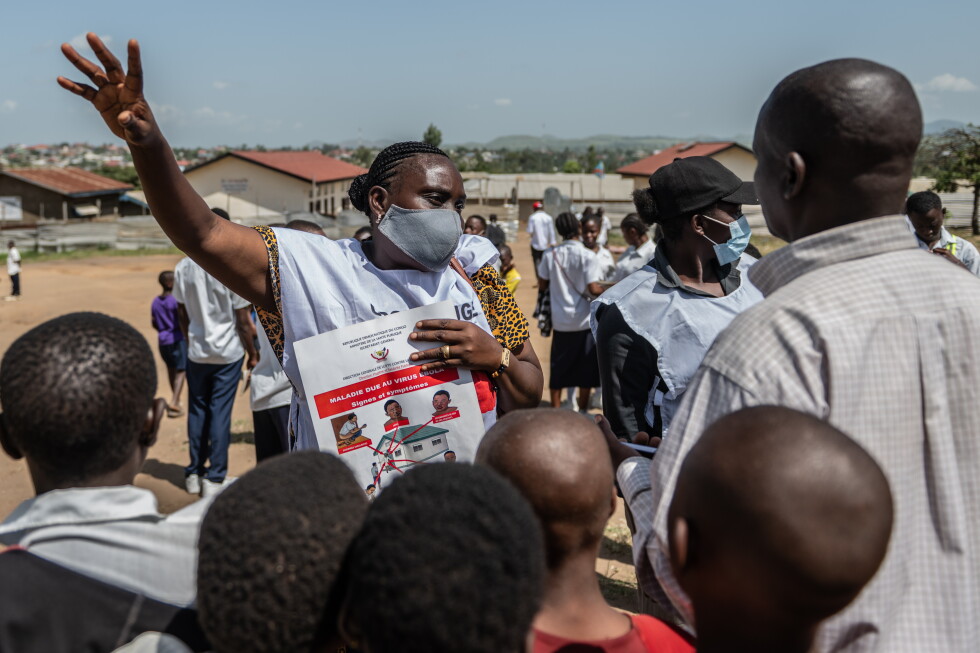
  • Investment in community health education to address misinformation and build trust in health measures

These strategies have not only helped the Bahamas mitigate the impact of the Ebola outbreak but have also positioned it as a model for other small island states navigating complex health crises.

The Bahamas’ proactive stance on health security is further evidenced by its recent economic initiatives. As a hub for financial services and tourism, the nation has developed contingency plans to maintain economic stability during health emergencies. For instance, the government has established partnerships with major airlines and travel agencies to ensure uninterrupted travel for essential personnel while adhering to new health guidelines.

Looking ahead, the Bahamas’ approach to health security will continue to evolve as global health threats become more complex and interconnected. With its strong leadership in regional diplomacy and a focus on community resilience, the Bahamas is well-positioned to address emerging challenges while maintaining its role as a dynamic and forward-thinking nation.