Notice: error_log(): Write of 46 bytes failed with errno=28 No space left on device in /var/www/html/plugins/LangManager/LangManager.php on line 111
NewsRPT

Judge Halts West Point's Faculty Speech Restrictions: What It Means for Military Academies

Editor 27 May, 2026 ... min lectura

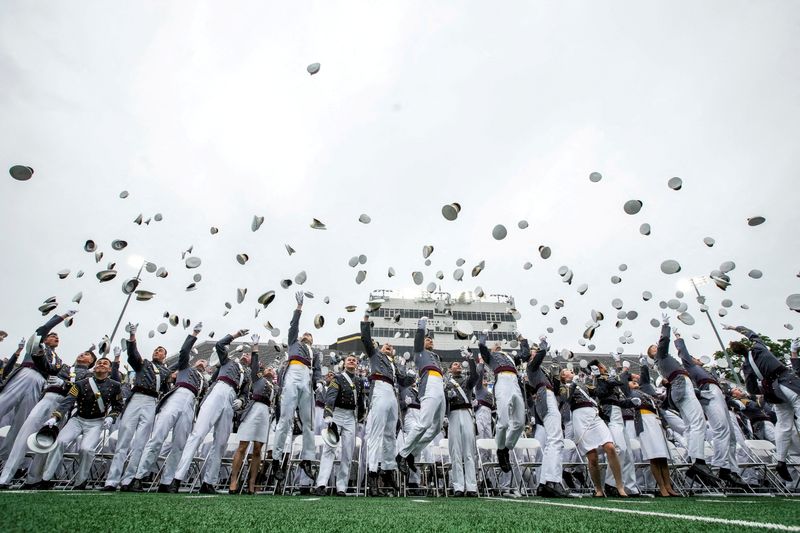
A federal judge has recently overturned key restrictions on civilian professors' speech at the U.S. Military Academy (West Point), marking a significant legal victory for academic freedom within the military education system. The ruling, delivered on May 26, 2026, directly challenges the Trump-era policy that sought to limit the expression of civilian faculty members—a move that had sparked widespread concern among educators and civil liberties advocates.

How Did This Happen?

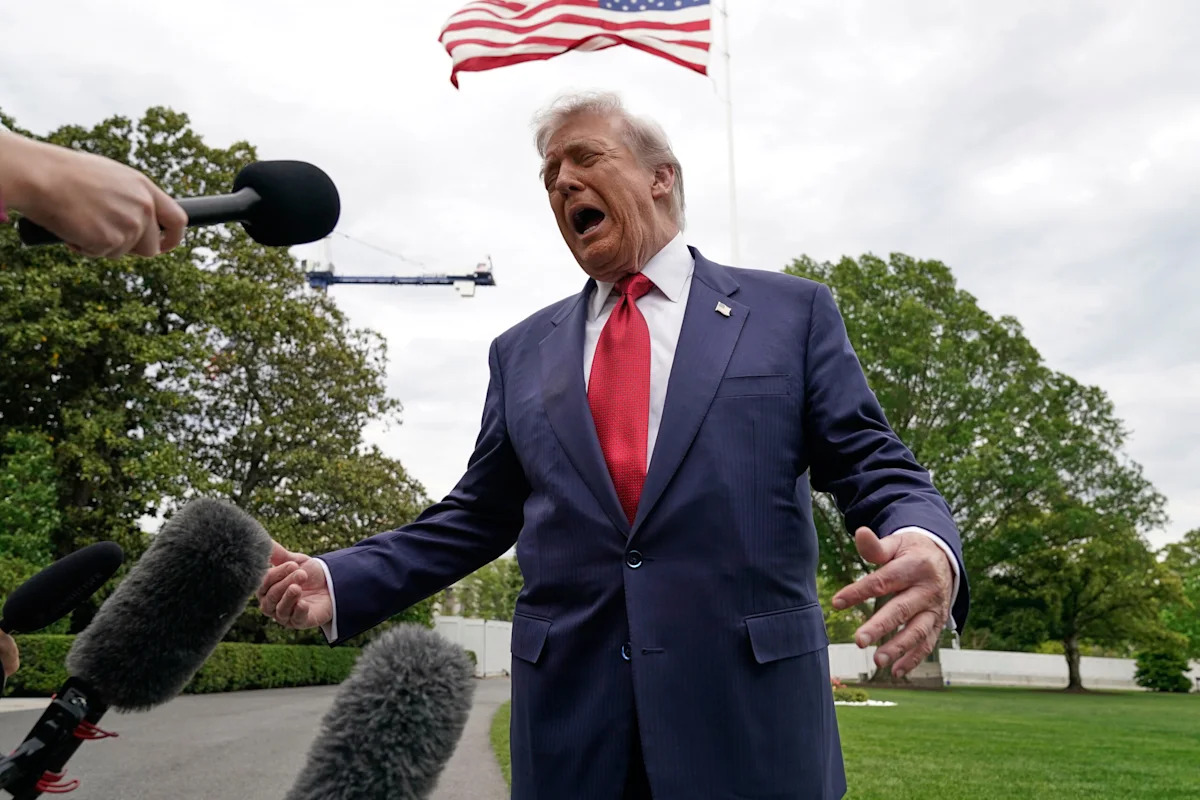
Under a controversial policy implemented during the Trump administration, West Point had been prohibited from allowing civilian professors to engage in certain forms of speech, including public commentary on sensitive topics like national security and military strategy. This measure was framed as a way to 'protect national security,' but critics argued it amounted to censorship of legitimate academic inquiry.

The policy was challenged by a coalition of educators, legal experts, and civil rights organizations who contended that it violated the First Amendment rights of faculty members. After a lengthy legal battle, a federal judge ruled that the restrictions were unlawful and ordered the military academy to cease enforcing them immediately.

Why This Matters Now

  • The decision ensures that civilian professors can now freely discuss critical topics without fear of retaliation or dismissal
  • It sets a precedent for how military academies handle free speech and academic autonomy
  • It highlights the ongoing tension between national security concerns and the right to free expression in educational settings

West Point has a long history of balancing military discipline with academic rigor. For decades, the academy has been known for its rigorous training in leadership, ethics, and strategic thinking. However, this ruling underscores the evolving role of academic freedom in modern military education—a topic that has been increasingly debated in recent years.

The ruling also reflects broader national conversations about the intersection of free speech and institutional control. In an era where information flows rapidly and misinformation can have severe consequences, the ability of educators to engage in open dialogue about complex issues is critical.

While the decision is a win for academic freedom, it raises questions about how military institutions should navigate the complexities of free speech in a highly regulated environment. The U.S. military has historically been cautious about public discourse on sensitive topics, but this case shows that even within the most disciplined institutions, the principles of open inquiry and transparency can be upheld.