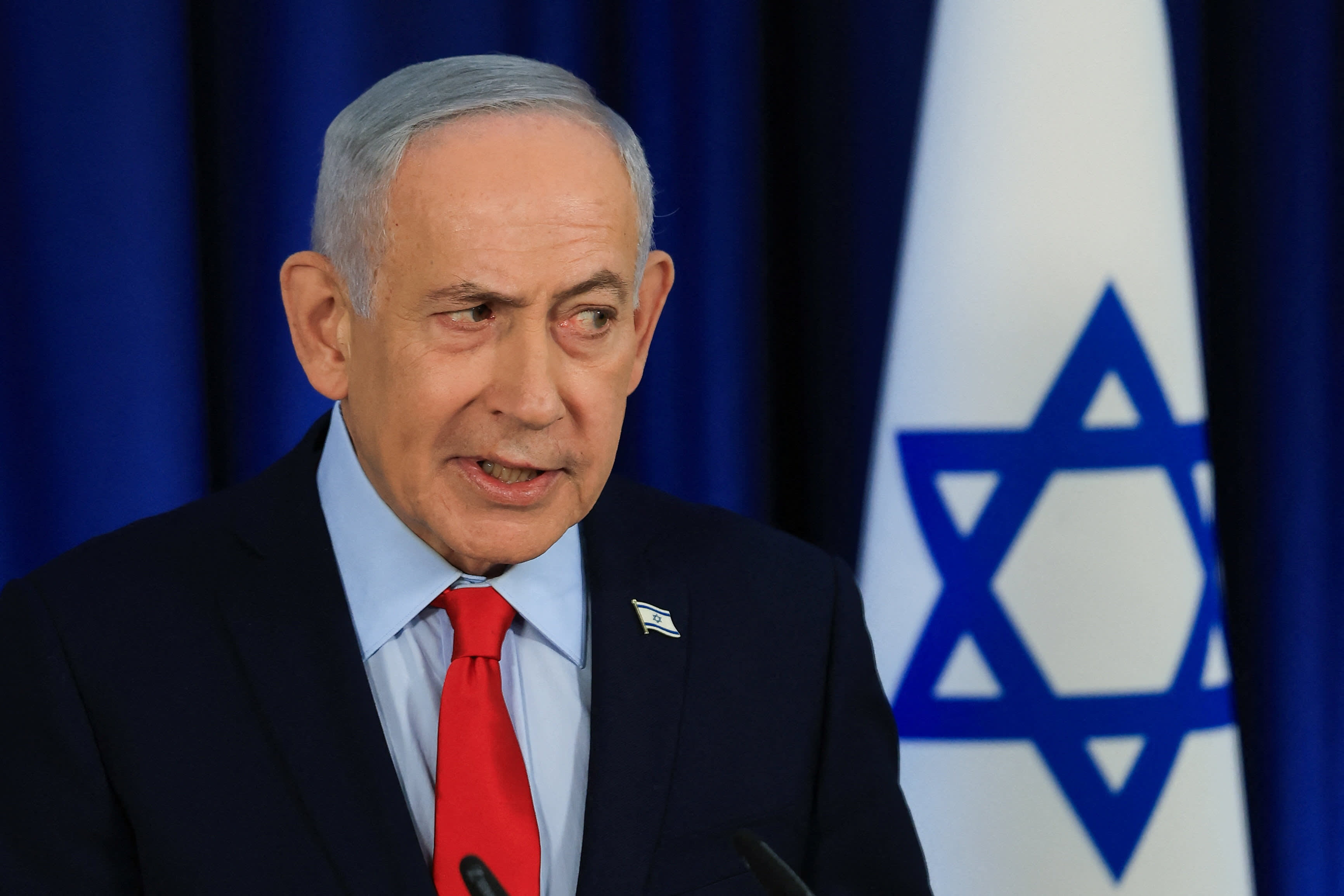
Israeli Prime Minister Benjamin Netanyahu's recent comments on the Iran conflict have reignited global discussions about the evolving nature of the war against Tehran. In a detailed interview with Major Garrett, Netanyahu emphasized that while significant progress has been made in the conflict, the battle against Iran's nuclear program remains an ongoing campaign. This statement reflects a nuanced understanding of geopolitical strategy that prioritizes long-term objectives over immediate victories.
Netanyahu's assertion that the war with Iran 'is not over' underscores a critical shift in how Israel and its allies approach the Iranian threat. Unlike traditional military campaigns, this conflict is defined by intelligence, diplomacy, and asymmetric warfare. The U.S. and Israel have historically coordinated efforts to disrupt Iran's nuclear ambitions, but recent developments suggest a more complex, multi-phase strategy is emerging.
Is the Iran War Really Over?
When pressed on whether the war with Iran has concluded, Netanyahu clarified that progress has been substantial, but the conflict's conclusion hinges on multiple factors. He highlighted the importance of maintaining pressure on Iran's nuclear program while addressing regional instability. This stance aligns with Israel's longstanding policy of preventing Iran from developing nuclear capabilities, even as it acknowledges the challenges of achieving total victory.
The U.S. position under former President Trump has further complicated the situation. His rejection of the latest Iranian offer has intensified tensions between Washington and Tehran, creating a new phase of strategic uncertainty. Netanyahu's response suggests that diplomatic channels remain crucial, even as military and intelligence operations continue.
- Israel has deployed targeted strikes against Iranian nuclear facilities since 2007
- The U.S. has imposed economic sanctions on Iran since 2018
- Netanyahu's government prioritizes intelligence gathering and cyber operations alongside direct military action
These strategies reflect a multi-pronged approach to countering Iran's influence. The integration of cyber warfare, economic sanctions, and kinetic operations has proven effective in disrupting Iran's nuclear program. However, the success of these measures depends on international cooperation and the ability to adapt to evolving threats.
One key factor in Netanyahu's strategy is the reliance on intelligence to guide decision-making. Israel has long been a leader in intelligence operations, and its ability to gather actionable data has been pivotal in shaping its approach to the Iran conflict. This emphasis on intelligence allows for rapid response to emerging threats, ensuring that military actions are coordinated with broader strategic goals.
Moreover, Netanyahu's comments highlight the importance of maintaining a strong alliance with key partners, particularly the United States. Despite differences in policy, both nations share a common goal of preventing Iran from developing nuclear weapons. This alignment has been crucial in shaping the current phase of the conflict, even as tensions between Washington and Tel Aviv occasionally surface.
The future of the Iran conflict remains uncertain, but Netanyahu's stance suggests that the war will continue until Iran's nuclear program is fully dismantled. This perspective reflects a realistic assessment of the challenges involved in achieving a lasting resolution. As the conflict evolves, the focus will shift toward maintaining pressure on Iran while addressing the broader geopolitical implications of the conflict.