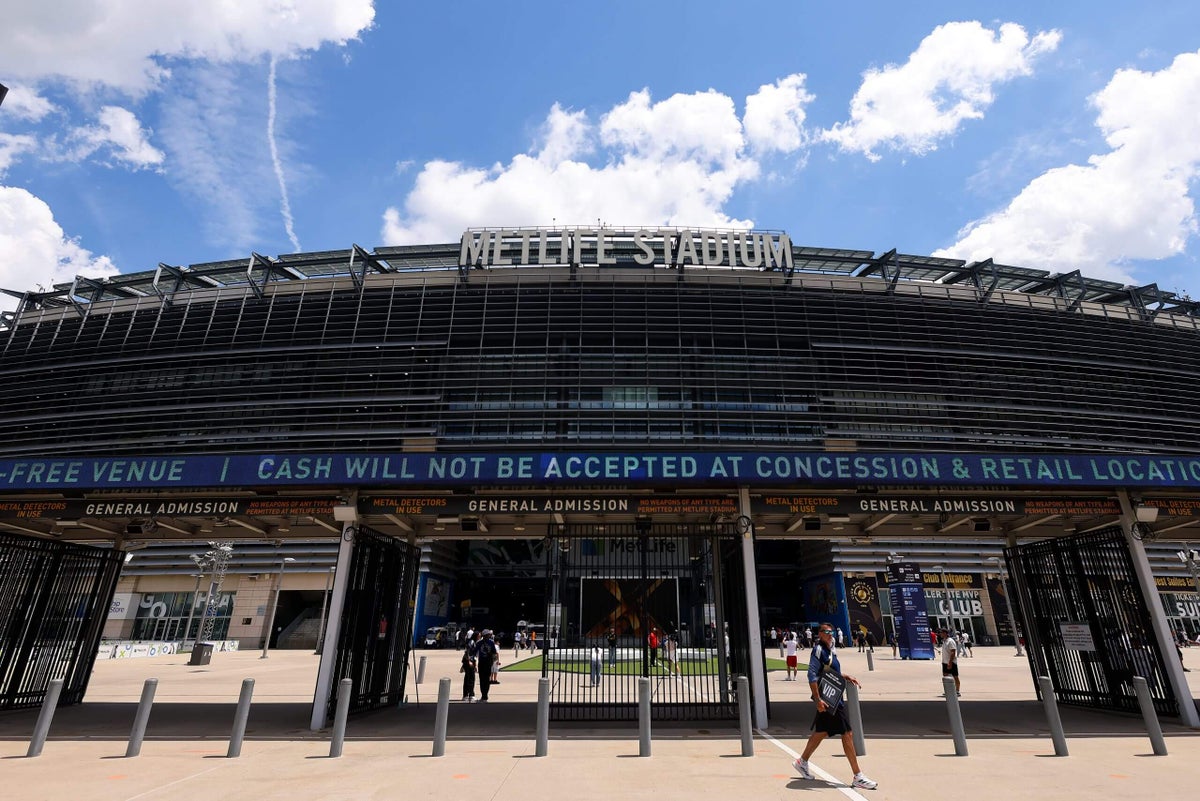
State attorneys general from New York and New Jersey have launched a formal investigation into FIFA's World Cup ticketing practices, targeting the organization's handling of ticket pricing and distribution ahead of the 2026 FIFA World Cup. This action follows widespread reports of exorbitant ticket prices, with some tickets selling for over $1,000 at major venues like MetLife Stadium in New Jersey and the newly expanded MetLife Stadium in New York.
Why Is This Investigation a Big Deal?
The probes focus on potential antitrust violations, consumer protection breaches, and the misuse of advanced algorithms to manipulate ticket demand. New York and New Jersey have long been leaders in consumer advocacy, with their attorneys general having previously cracked down on predatory pricing in the tech sector and luxury goods markets. This marks one of the most significant state-led interventions into international sports governance in recent history.
Under the investigation, officials are examining whether FIFA's use of dynamic pricing models and real-time bidding platforms has created an uneven playing field for fans. The states argue that these practices have led to significant price disparities between the same event at different locations, with some fans paying up to 10 times more for the same seat based on their location or time of purchase.
- Dynamic pricing algorithms that adjust prices in real time based on demand fluctuations
- Geofencing techniques that target specific regions for higher pricing
- Third-party ticket aggregators that resell tickets at inflated rates
One of the most notable examples of the crisis comes from the upcoming 2026 World Cup, where MetLife Stadium will host multiple matches, including the final on July 19. Reports indicate that tickets for this venue have already seen prices jump from $200 to over $1,000 in the days leading up to the event, raising serious concerns about market transparency.
While FIFA has defended its systems as being necessary for managing global events, critics argue that the current model has created a system where only wealthy individuals can access the World Cup. The investigation also highlights the growing role of state governments in regulating international sports organizations, a trend that has been gaining momentum in recent years.